
Modern orthodontic care offers adults more choices than ever before for achieving their ideal smile. Two primary options have emerged as leaders in the field: Invisalign clear aligners and traditional braces. Each presents distinct advantages and considerations for adult patients seeking orthodontic treatment. Let's examine these options in detail to help inform your decision.
Invisalign represents a significant advancement in orthodontic technology, utilizing custom-designed clear aligners to gradually reposition teeth. Since its introduction, this innovative system has successfully treated millions of patients, offering a discrete alternative to conventional orthodontics.
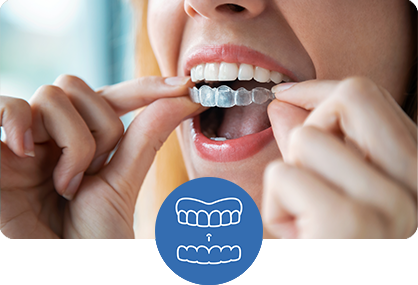
Key Benefits of Invisalign Treatment:
Invisalign treatment typically works best for mild to moderate alignment issues. Patients wear each set of aligners for 20-22 hours daily, changing sets every 1-2 weeks, with monitoring appointments scheduled every 6-8 weeks.
Traditional braces continue to evolve while maintaining their position as the most comprehensive orthodontic treatment option. Modern brackets and wires offer improved comfort and efficiency compared to previous generations.
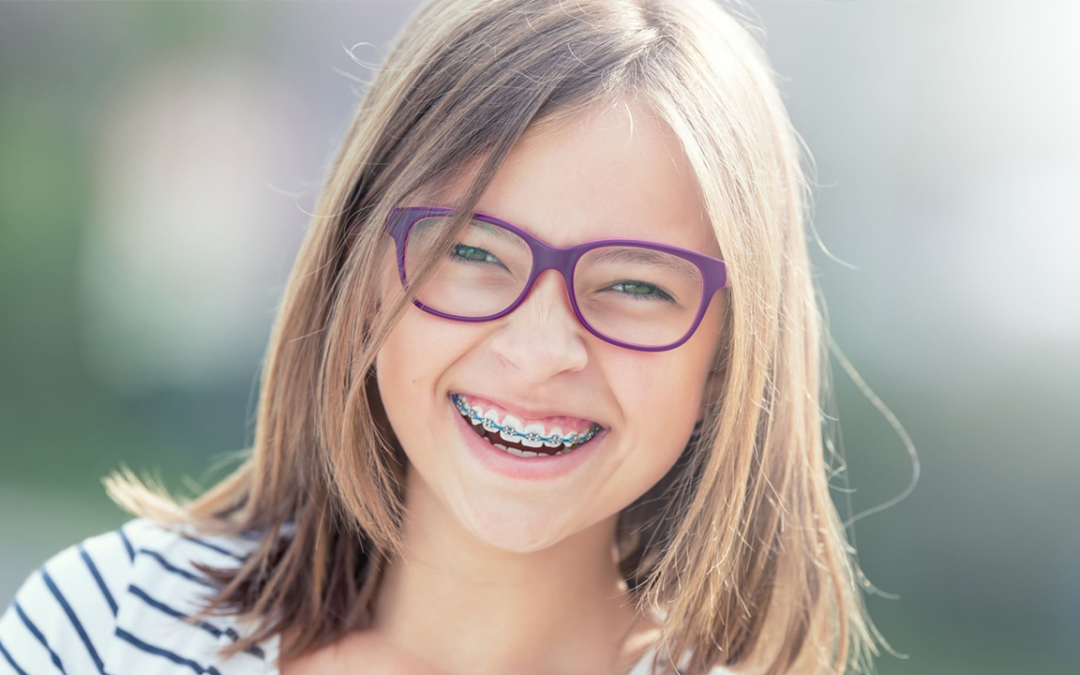
Advantages of Traditional Braces:
Choosing between Invisalign and traditional braces is a significant decision that deserves careful consideration. Let's explore each decision factor in detail to help you make an informed choice:
Invisalign offers maximum discretion through virtually invisible aligners, making them ideal for professionals and those concerned about appearance during treatment. Traditional braces now come in several aesthetic options, including ceramic brackets that blend with your natural tooth color and clear elastic ties. When choosing an orthodontic treatment, it’s important to consider how the appearance of your orthodontic treatment might impact your professional and social life.
Clear aligners typically provide superior comfort due to their smooth plastic construction and absence of wires. While modern braces are more comfortable than previous generations, they may still cause initial discomfort and require an adjustment period. Some patients report temporary speech changes with both options, though these typically resolve within the first few weeks of treatment.
Invisalign treatment typically requires 6-18 months, depending on case complexity. Traditional braces usually need 18-24 months for optimal results. However, treatment duration can vary significantly based on individual needs. Complex cases may progress faster with traditional braces due to their precise control mechanisms, while simple alignment issues might be resolved more quickly with Invisalign.
Both options prove highly effective when properly indicated and followed. Traditional braces excel at complex movements, including significant rotations, vertical repositioning, and bite corrections. Invisalign works best for mild to moderate alignment issues and has improved its capabilities for treating more complex cases. Treatment success with Invisalign heavily depends on patient compliance with the 20-22 hour daily wear requirement.
Consider your daily routine and habits when choosing your treatment option. Invisalign offers flexibility with eating and cleaning but requires discipline in wearing and maintaining the aligners. Traditional braces require no daily removal but necessitate more careful attention to oral hygiene and dietary restrictions to protect the brackets and wires.
Invisalign patients must clean their aligners daily and remove them for eating and drinking anything besides water. Traditional braces require special cleaning techniques around brackets and wires, plus regular elastic band changes and careful attention to food restrictions. Consider which maintenance routine better fits your lifestyle.
Treatment costs vary based on case complexity and duration. Traditional braces often represent a more economical option, while Invisalign may have a higher initial cost. However, many dental insurance plans now offer coverage for both treatment options. Our office provides flexible payment plans to help make either choice affordable for your budget.
Both treatments require retention after active treatment completion to maintain results. Invisalign patients typically transition to nighttime-only clear retainers, while traditional brace patients may choose between fixed or removable retainers. Consider your long-term commitment to wearing retainers when making your decision.
Our team at Oakwood Dental creates personalized treatment plans based on thorough evaluation and individual patient needs.
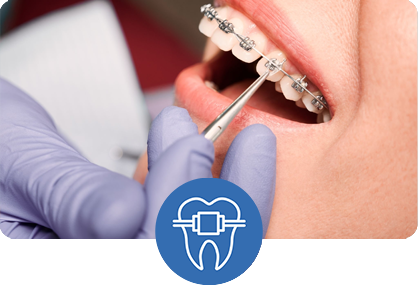
Orthodontic care offers numerous advantages:
Your ideal treatment choice depends on several factors:
Our experienced team will help guide you through these considerations to find your best treatment option.
Whether you choose Invisalign or traditional braces, you're making an important investment in your oral health and appearance. Both options can effectively achieve the smile you desire when properly matched to your needs.
At Oakwood Dental, we combine advanced technology with extensive experience to deliver outstanding results. We understand that adult orthodontic patients have unique concerns, and we strive to make your treatment as comfortable and efficient as possible.
Ready to begin your smile transformation? Contact Oakwood Dental today to schedule your consultation. We'll develop a customized treatment plan that aligns with your goals while supporting your overall oral health.
It's never too late to achieve the smile you've always wanted. Trust our experienced team at Oakwood Dental to guide you through your orthodontic journey with expertise and personalized care. We look forward to helping you achieve a healthy, confident smile that lasts a lifetime.

