Orthodontic care is more common than ever, with approximately 6.66 million patients in active treatment across the United States and Canada in 2024, and a growing number of those patients are adults and teens looking for discreet, effective solutions.
At Oakwood Dental Clinics, we help families understand their choices so they can feel confident about every step of orthodontic treatment.
| Common Question | Short Answer |
|---|---|
| What are the main orthodontic options for adults and teens? | Traditional braces, ceramic braces, and clear aligners such as Invisalign are the most common choices, each suited to different needs and lifestyles. You can explore our full orthodontic overview at Oakwood Dental orthodontic services. |
| Is Invisalign effective for adults with crowded or spaced teeth? | Yes, Invisalign can treat crowding, gaps, crossbites, overbites, and more. See how aligners address different issues in our guide on Invisalign options for adults. |
| Are braces still the right choice for many teens? | Yes, braces remain a reliable solution, especially for complex movements. We outline six key teen solutions in our teen braces guide. |
| How do I decide between Invisalign and traditional braces as an adult? | We compare appearance, comfort, and maintenance in detail in our adult Invisalign vs braces article. |
| Who should manage my treatment, especially for teens? | Most patients choose specialist-led care. You can review how to evaluate providers in our orthodontist selection checklist. |
| What should I know before my teen starts braces? | Planning, diet changes, and oral hygiene are key. We cover preparation steps in our braces preparation overview. |
Orthodontic care is no longer limited to children, and about 1.91 million adults in the United States were in specialist orthodontic treatment in 2024.
At Oakwood Dental Clinics, we see adults and teens every day who want straighter teeth, a more comfortable bite, and a smile that feels natural and confident.
We now have a wider range of treatment systems than ever.
This includes traditional metal braces, ceramic braces, and clear aligner systems such as Invisalign that fit around work, school, and family life.
Our role is to explain each option clearly so you can make an informed choice that suits your priorities and oral health needs.
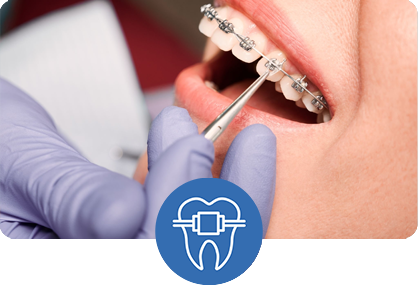
Invisalign uses a series of custom clear aligners that fit over your teeth and gently guide them into better positions.
For adults who want to straighten their teeth without metal brackets, clear aligners are often a leading choice.
In our article on Top 5 Invisalign Options for Adults, we highlight how aligners address a wide range of concerns.
Common issues we treat with Invisalign include crowded teeth, gaps, crossbites, overbites, underbites, and mild to moderate misalignment.
| Adult Concern | How Invisalign Helps |
|---|---|
| Crowded teeth | Gradual alignment to create space and improve brushing and flossing access. |
| Gaps or diastema | Closes spaces between teeth for a more even smile line. |
| Crossbite, overbite, underbite | Adjusts bite relationships in many mild to moderate cases. |
Adults often value Invisalign for its subtle appearance and the ability to remove trays for meals and oral hygiene.
Because aligners are smooth, many patients also report less irritation compared to brackets and wires.
We plan Invisalign cases with digital scans and 3D software.
That allows you to preview likely outcomes and understand how your teeth are expected to move during treatment.
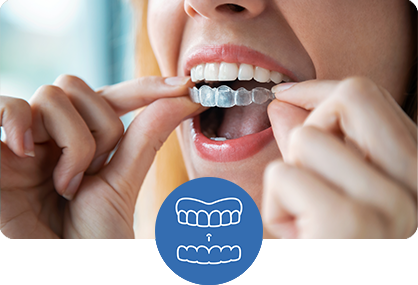
Orthodontic treatment is a common milestone in adolescence, and many teens still benefit from traditional or ceramic braces.
At Oakwood Dental Clinics, we offer several teen-focused systems to match different needs and preferences.
Traditional metal braces remain a dependable choice for a wide range of orthodontic issues in teens.
They offer strong control over tooth movement and are especially useful for more complex bite problems.
Teens sometimes enjoy choosing colored elastic ties, which can make treatment more fun and personal.
Parents often appreciate the durability and predictability of metal systems.
Ceramic braces use tooth-colored brackets that blend more closely with the teeth.
They are a good option for image-conscious teens who still need the precision of a fixed appliance.
In some cases, clear aligners are appropriate for teens with mild to moderate concerns.
Aligners can be convenient for school activities, music, or sports, but they require responsible wear for effective results.
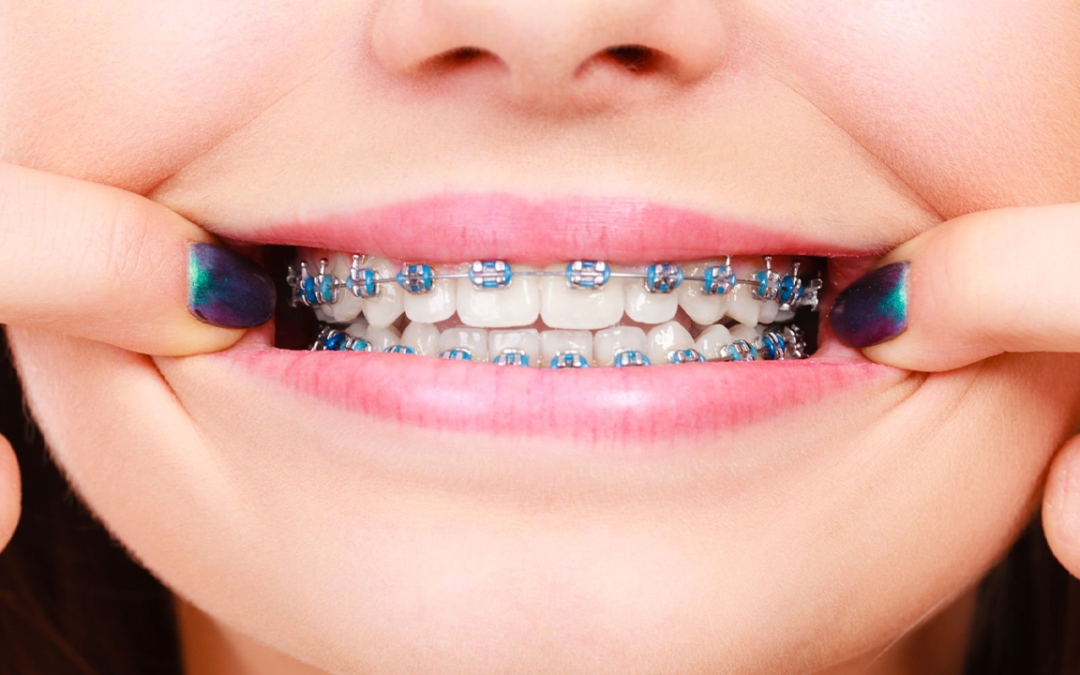
An at-a-glance guide to the five most common orthodontic treatment options for teens and adults. Compare braces, clear aligners, and other options to decide the best fit.
Many adults ask whether they should choose Invisalign or traditional braces.
Both approaches are effective, but each has distinct strengths that may fit different lifestyles, bite types, and budgets.
Invisalign aligners are virtually invisible at a conversational distance.
They are removable for eating, brushing, and flossing, which can help adults maintain existing routines.
Traditional braces are more noticeable, although modern metal and ceramic designs look more refined than older styles.
Braces stay in place 24 hours a day, so you do not have to remember to insert or remove anything.
Braces are highly versatile and remain the preferred choice for many complex movements and bite corrections.
Invisalign has expanded its range and, with attachments and advanced planning software, can now address many moderate cases.
In a consultation, we evaluate tooth positions, jaw relationships, gum health, and lifestyle factors.
We then discuss which options are practical and realistic for your specific goals.

Modern Invisalign treatment often includes small, tooth-colored attachments that we bond temporarily to certain teeth.
These attachments allow the aligners to grip and move teeth more precisely, especially in more challenging movements.
Attachments are shaped composite bumps that blend with tooth enamel.
They are applied and removed by our team and are designed to work with your individual aligner sequence.
Attachments can make it possible to treat bite issues and rotations that early clear aligner systems could not address predictably.
They also help ensure that each aligner engages effectively, which supports accurate progress during your treatment timeline.
For adults, attachments expand the range of cases that can be treated with a nearly invisible system.
For teens who qualify for clear aligners, attachments provide additional control without the visibility of full brackets.
We explain where and why attachments are needed before treatment begins.
This helps you understand what to expect when looking in the mirror and how your aligners will interact with them.
Whether you choose braces or Invisalign, your journey follows a structured process from consultation to retention.
We guide you at every stage so that adults and teens understand what is happening and why.
We start with a comprehensive evaluation that may include digital scans, photographs, and X‑rays.
Our dentists then design a personalized treatment plan, outlining estimated timelines and the systems that are appropriate for you.
For braces, we place brackets on the teeth and connect them with wires that are adjusted at regular intervals.
For Invisalign, you receive sets of aligners and instructions on how long to wear each set before changing to the next.
We schedule checkups to monitor progress, make adjustments, and answer questions.
These appointments help keep both adult and teen patients on track and comfortable.
Once teeth reach their planned positions, we transition you into retainers.
Retainers are essential to help maintain alignment after both braces and Invisalign.
We review wear instructions and long‑term hygiene tips, especially for younger patients who are new to retainers.
Our team remains available for ongoing support to protect your investment in your smile.

Orthodontics is not just about appearance, it also supports long‑term oral health.
Correcting misalignment can improve comfort, function, and ease of cleaning for both adults and teens.
Crowded or overlapping teeth are harder to brush and floss thoroughly.
Straightening teeth creates better access for cleaning, which can reduce the risk of cavities and gum disease.
Correcting overbites, underbites, and crossbites can improve chewing efficiency.
In some cases, better bite alignment may also reduce strain on jaw joints and surrounding muscles.
A smile you feel comfortable sharing often has a positive impact at school, work, and in social settings.
We see adults who postponed treatment and now feel relieved to address long‑standing concerns, and teens who gain confidence as they see their treatment progress.

Adults and teens often want to know how long treatment will take.
Timelines vary based on the complexity of the case, the chosen system, and how consistently instructions are followed.
Many Invisalign and braces cases range from about 12 to 24 months, although shorter or longer plans are possible.
Mild alignment issues may respond more quickly, while complex bite corrections require more time and careful planning.
Invisalign aligners usually need 20 to 22 hours of wear per day for predictable results.
Braces work continuously, but you still need to attend regular adjustment appointments to keep treatment moving.
We review your projected timeline at the start and update you as teeth respond.
For teens, we also involve parents or caregivers in understanding the schedule and responsibilities.
Good daily habits help protect your teeth and support comfortable treatment.
At Oakwood Dental Clinics, we provide clear, age‑appropriate guidance for both adults and teens.
With braces, we recommend brushing after meals and using floss threaders or interdental brushes around brackets and wires.
Avoiding very hard or sticky foods can limit the risk of broken brackets or bent wires.
With Invisalign, you remove trays before eating or drinking anything except water.
Brush your teeth and rinse your aligners before putting them back in to prevent trapping food and plaque.
Mild tenderness is common after adjustments or when starting new aligners.
Soft foods, over‑the‑counter pain relief if appropriate, and orthodontic wax for braces can help manage temporary discomfort.

The provider you choose is just as important as the system you select.
We encourage patients to ask questions and look for experience with both adult and teen care.
Consider training, ongoing education, and the range of services offered, including braces and clear aligners.
It is also helpful to review case photos or testimonials and to ask how the team handles complex situations.
At Oakwood Dental Clinics, our experienced clinicians provide orthodontic services across multiple locations in Staten Island and New Jersey.
This helps families access consistent care even when schedules are busy or change over time.
Adults and teens often feel more relaxed when they understand each step of treatment.
We prioritize clear explanations, gentle techniques, and flexible scheduling where possible.
Adults and teens today have more orthodontic choices than ever, from traditional metal and ceramic braces to advanced clear aligner systems like Invisalign with attachments.
At Oakwood Dental Clinics, we tailor each plan to the individual, taking into account age, lifestyle, oral health, and treatment goals.
Whether you are an adult finally ready to address long‑standing alignment issues or a parent exploring options for your teen, we are here to guide you through the process with clear information and compassionate care.
A thorough consultation is the first step toward a straighter, healthier smile that fits comfortably into everyday life.
Cosmetic restorations can last for many years with the right care, and modern materials are impressively durable. Ceramic veneers, for example, show a cumulative survival rate of 96% at 15 years, which means your daily habits truly help decide how long your new smile will serve you.
| Question | Short Answer & Helpful Links |
|---|---|
| 1. How long can cosmetic crowns really last? | With proper care, crowns often last 10 to 20+ years. Material choice and bite forces matter, which we explain in detail in our guide on long lasting dental crowns. |
| 2. What affects veneer longevity the most? | Preserving enamel, avoiding biting on hard objects, and good hygiene are key. We compare material and prep options in traditional vs no-prep veneers. |
| 3. How do I protect cosmetic work if I grind my teeth? | A custom night guard can dramatically reduce fracture risk, especially for zirconia crowns and bridges. We often pair guards with durable options like our cosmetic crowns and bridges. |
| 4. What is the most important tip after implants? | Consistent home care and professional checks. Our implant patients receive detailed guidance similar to the protocols in implant aftercare for long-term success. |
| 5. Can whitening shorten the life of restorations? | Whitening does not brighten existing crowns or veneers and must be timed correctly. We discuss how we coordinate this in our page on professional teeth whitening benefits. |
| 6. How do I choose between a crown and a bridge? | Both can be durable, but they serve different goals. Our comparison of crowns vs bridges explains function, longevity, and maintenance. |
Cosmetic restorations include crowns, veneers, bridges, implants, and whitening treatments that restore both appearance and function. At Oakwood Dental Clinics, we focus on materials and techniques that are designed to last, then guide you on how to protect your investment every day.
Cosmetic work does more than make teeth look nicer. Restorations support chewing, protect weakened teeth, and help maintain facial structure, so their longevity affects your comfort, confidence, and overall oral health.
Most patients considering durability are looking at one or more of these treatments:
Each option has a different typical lifespan, but all of them benefit from the same core habits: careful hygiene, regular professional checkups, and protection from excess forces like grinding.
In clinical studies, many crowns and veneers are still functioning well 10 to 20 years after placement. Bridges and implant restorations have similar potential when the surrounding teeth, bone, and gums stay healthy.
We help you set realistic expectations at the start of treatment, including how long a restoration usually lasts and what you can do to help it reach or exceed that range.
Different materials handle chewing forces, staining, and everyday wear differently, so material selection is one of the first longevity tips we discuss. In many cases, you can choose between various ceramics and metals, and we explain how each option can perform over time.
Zirconia and high-strength ceramics often offer excellent durability in back teeth, while porcelain and layered ceramics can provide superior aesthetics in the front. For some patients, a blend of materials in different parts of the mouth offers the most balanced approach.
Literature on zirconia crowns reports 5-year survival rates around 98%, which shows how stable these restorations can be when properly designed and maintained. Metal and porcelain-fused-to-metal crowns also remain strong options in high-stress areas that are less visible.
In our consultations, we consider your bite, cosmetic goals, and history of grinding to recommend crown materials that can realistically handle your daily routine for many years.
For veneers, both the ceramic system and the amount of enamel preserved are linked to longevity. Across multiple studies, feldspathic and pressed ceramics have 5-year survival rates above 90%, especially when they are bonded to intact enamel.
We use careful preparation techniques and conservative designs, especially with no-prep veneers, to keep as much strong, bondable enamel as possible.
Your home care routine is one of the most important factors in how long your cosmetic restorations last. Good hygiene protects the tooth or implant supporting the restoration, which is often the part that fails first when things go wrong.
We coach patients on a simple, sustainable routine that fits into their day. The goal is consistency rather than complexity, and small daily steps make a large difference across 10 to 20 years.
We often recommend specific angled floss-threaders or brushes for bridges and full-arch implant restorations so you can reach under the prosthetic where plaque tends to collect.
A diet high in sugar and acid can increase decay risk around crown margins or at the edges of veneers. Sticky candies, constant sipping of acidic drinks, and frequent snacking create an environment where even the strongest materials are surrounded by weakened tooth structure.
We encourage patients to limit sticky and very hard foods, rinse with water after acidic beverages, and keep sugary snacks to mealtimes to reduce the impact on restorations and natural teeth.
This infographic highlights five essential longevity tips for cosmetic restorations. Learn practical steps for maintenance and material choices to extend durability.
Veneers are thin, and their lifespan depends heavily on how they are bonded and how they are used. The science is clear that enamel bonding plays a major role in how long veneers last with minimal complications.
Across six studies, veneers bonded to enamel show about 99% survival at 5 years, while bonding to dentin is associated with higher failure and complication rates. Our preparation approach is planned around this reality to give your veneers the best chance of long-term success.
We also discuss whitening timing before veneers, because ceramic color will not change later and planning ahead helps maintain an even shade if natural teeth are whitened in the future.
Dental crowns and bridges play a major role in both cosmetic and functional dentistry. A well-designed crown not only improves appearance, it protects the remaining tooth structure so you can chew comfortably for many years.
Similarly, bridges replace missing teeth and can be both highly aesthetic and durable when the supporting teeth and gums are kept healthy. Routine maintenance is particularly important around the edges and under the false tooth where plaque can collect.
In our practice, we also evaluate the bite around new crowns and adjust as needed so that they do not carry excessive force compared to neighboring teeth.
We review and practice these cleaning techniques with you in the office to make sure they feel comfortable and realistic for everyday life.
Dental implants provide a stable foundation for crowns, bridges, or full-arch prosthetics, and they are designed as a long-term or even lifelong solution. However, the surrounding bone and gum tissue must remain healthy for that to be true.
Peri-implantitis, a form of gum disease around implants, is a common reason for late failure, which is why maintenance and aftercare are just as critical for implants as they are for natural teeth.
We customize aftercare instructions for each patient and reinforce them over time, since habits in the first few weeks can influence how the implant site behaves for years.
Full-mouth implant restorations, including All-on-4 and All-on-X designs, rely on multiple implants working together to support a single prosthesis. That prosthesis can last a long time when the biting forces are balanced and hygiene is excellent.
We focus on meticulous planning, careful bite adjustment, and regular maintenance visits so that the mechanical parts, screws, and acrylic or ceramic components remain stable and serviceable.
Clenching and grinding (bruxism) are some of the main reasons cosmetic restorations wear out too soon. Patients are often surprised at how much damage can occur during sleep, when they are not aware of the force they are placing on teeth and restorations.
Research on zirconia crowns in patients with bruxism shows how important protection can be. Zirconia crown longevity in bruxism patients is 92% functional after 5 years when using occlusal guards, compared with about 80% without guards.
We fabricate custom night guards that fit your teeth securely and comfortably, and we check their fit regularly to keep them effective as your bite changes over time.
Many patients combine whitening with other cosmetic treatments, and timing is essential for long-term satisfaction. Whitening brightens natural enamel but does not significantly change the shade of porcelain or composite restorations.
That means if you whiten after placing crowns or veneers, the natural teeth may become lighter while the restorations stay the same color. We plan treatment sequences to avoid this mismatch and keep your smile looking even over time.
We also evaluate how whitening might affect sensitivity or existing restorations and suggest an approach that protects both comfort and longevity.
Regular dental visits are one of the most reliable longevity tips for any cosmetic restoration. Many issues begin very small, such as a tiny chip on a veneer edge or early decay at a crown margin, and are easy to manage when caught early.
During your visits, we check the fit and margins of restorations, evaluate bite contacts, and look for signs of wear or fracture. We also update radiographs as needed to see what is happening under crowns, bridges, and around implants.
We will discuss any findings with you in clear terms and outline options, which might range from simple polish or smoothing to guard adjustments or repair work.
Beyond brushing and flossing, several lifestyle factors can either shorten or extend the life of your cosmetic restorations. We encourage honest conversations about habits, because that is how we can tailor realistic guidance for you.
Smoking, for example, increases the risk of gum disease around both teeth and implants, which can shorten the functional life of crowns, bridges, and full-arch prostheses. Athletic activities without mouthguards can also jeopardize front veneers and crowns.
We always meet you where you are and prioritize changes that give you the most benefit with the least disruption to your daily life.
Cosmetic restorations can provide many years of comfort, function, and confidence when material selection, home care, and professional maintenance work together. At Oakwood Dental Clinics, we plan each case with longevity in mind, from preserving enamel for veneers to selecting durable crown materials and designing implant restorations that are practical to clean.
Your role is just as important, and small daily choices help decide whether a restoration reaches its full potential lifespan. If you already have cosmetic work or are considering treatment, our team is ready to discuss personalized longevity tips so your smile stays healthy and attractive for the long term.
Porcelain crowns and veneers only look truly natural when the shade is right, and research shows digital tools alone correctly match tooth color less than 50% of the time, so careful shade matching is essential for lifelike results.
At Oakwood Dental Clinics, we combine technology, training, and a detailed eye for color to help your new restorations blend seamlessly with your natural teeth.
| Question | Answer |
|---|---|
| How important is shade matching for porcelain crowns and veneers? | Shade matching is what makes restorations look “invisible” in your smile. We assess tooth color, translucency, and your overall smile, often as part of broader treatment planning like full mouth restoration. |
| Can veneers fix color and shape at the same time? | Yes. Both traditional and no-prep veneers change color, shape, and size, which we explain in detail when comparing options in our guide on traditional vs. no-prep veneers. |
| What technologies help with accurate shade matching? | Digital imaging, 3D scanning, and CAD/CAM systems support precise design and fabrication, as described in our article on top dental technologies for efficient patient care. |
| Do I need whitening before crowns or veneers? | Often yes, because porcelain will be crafted to match your current tooth color. We may recommend in-office teeth whitening first to brighten your baseline shade. |
| How do you make fillings and crowns look natural together? | We use tooth-colored materials and careful shade selection, similar to the approach described in our guide to natural-looking dental fillings, then coordinate crown and veneer shades to match. |
| Can shade matching be part of a same-day crown visit? | Yes. With CEREC technology, we plan and mill ceramic crowns in a single visit, as outlined in our page on CEREC dental restorations, including careful shade selection during that appointment. |
Shade matching is the process of selecting porcelain color so that crowns and veneers blend naturally with your surrounding teeth and gums.
It involves more than picking a single color, because we also consider value (lightness), chroma (intensity), translucency, and how light reflects from your teeth in different environments.
We begin by evaluating your natural teeth in neutral lighting, often before any tooth preparation.
If you plan to whiten, we typically complete whitening first, then match the porcelain shade to your new baseline color.
A 2025 study on veneers showed that the underlying tooth shade accounted for about 87.82% of the final color outcome, which is why we spend time assessing your existing tooth color before recommending veneer thickness and shade.
We use a combination of traditional shade guides, digital imaging, and clear communication with our dental laboratories to select the appropriate shade.
Visual shade guides allow us to compare prefabricated porcelain tabs to your teeth directly, while digital tools capture high quality images and sometimes objective color data.
Research in 2024 showed that inter-method agreement between an intraoral scanner and a spectrophotometer was only about 46.9% for color matches, which confirms that digital readings still require careful visual verification.
This is why our dentists use digital methods for consistency, then confirm visually under controlled lighting and sometimes involve you with a hand mirror so we can align on expectations.
We also document shade selections, translucency preferences, and any special characteristics for the lab, such as faint white lines or small areas of darker enamel, to recreate a smile that looks like it belongs to you.
Traditional veneers and no-prep veneers can both achieve beautiful shade matching, but the way they interact with your natural tooth color is slightly different.
Traditional porcelain veneers usually involve a small amount of enamel removal, which gives us more room to control final color for darker teeth or more dramatic color changes.
No-prep veneers are ultra-thin porcelain shells that often sit on top of the enamel with little or no reduction.
Because they are thinner, the underlying tooth shade shows through more, which is ideal for minor color adjustments but may be limiting when teeth are heavily discolored.
When we discuss options similar to those in our article on traditional vs. no-prep veneers, we review how much whitening, tooth preparation, and veneer thickness are needed to meet your shade goals.
A concise visual guide illustrating a 5-step shade matching process for porcelain crowns and veneers. Learn how to use shade guides and color finalization to achieve natural-looking restorations.
Digital Smile Design (DSD) allows us to preview your future smile before we ever touch your teeth.
We use photos, scans, and software to simulate how different shapes and shades of porcelain will look alongside your lips, gums, and facial features.
This planning is especially helpful for no-prep veneers and multi-tooth cases where uniform shade and symmetry matter.
By digitally adjusting brightness and color, we can show you how a slightly whiter shade or a more subdued natural tone might look, so we can choose together.
In many cases, DSD also helps communicate specific shade layering and translucency instructions to our lab, which reduces guesswork and remakes.
With CEREC technology, we can prepare your tooth, design a ceramic crown, and place it in a single visit.
Shade selection is built into this workflow, so we carefully choose a ceramic block shade that matches your neighboring teeth before milling.
CEREC crowns are typically made from high strength ceramic that closely mimics natural enamel, including its light reflection.
We may fine tune color after milling with glazing or stains to better match small variations in your smile.
Because you see the shade result immediately, we can make adjustments while you are still in the chair.
If you plan to brighten your smile, it is almost always better to whiten before we finalize crown or veneer shades.
Porcelain does not change color once it is made, so any whitening afterward will leave restorations darker than your natural teeth.
In-office teeth whitening can often improve your tooth shade several steps in one visit, giving us a brighter reference for shade selection.
We usually wait a short period after whitening for your color to stabilize, then take final shade readings and photos.
This approach gives you more flexibility for a lighter and more uniform final result, especially for front teeth.
Several ceramic systems can achieve excellent shade matching, including feldspathic porcelain, lithium disilicate, and modern gradient zirconia.
A 2025 clinical trial showed no significant difference in shade matching between gradient zirconia crowns and lithium disilicate crowns, with zirconia slightly more likely to replicate natural shades in that study.
For veneers, feldspathic porcelain offers very natural translucency and is often used in thin, highly customized cases.
Lithium disilicate provides strength and lifelike esthetics, which can be especially useful for patients who clench or for teeth that need more support.
We select materials based on your bite, tooth position, and color goals, then coordinate with the lab to apply layered porcelains that mimic the subtle variations in your real teeth.
Matching the shade of a single front crown or veneer to surrounding natural teeth is one of the most demanding tasks in cosmetic dentistry.
Slight differences in value or translucency can make a single tooth look artificial if not carefully planned.
In these cases, we pay close attention to fine details like incisal translucency, small white spots, or faint vertical lines that appear in your natural enamel.
We may take additional photos with polarizing filters or specific lighting angles to send to the lab.
For full smile or multi-tooth cases, we have more freedom because we are creating a new, coordinated shade across several teeth, often guided by digital smile design.
Porcelain crowns and veneers rarely exist in isolation, so we also consider old fillings, implant crowns, and bridges when planning shade.
Tooth-colored fillings can be carefully matched to adjacent enamel, similar to the process we use for porcelain.
When we replace metal or dark fillings with composite or porcelain in visible areas, we create a more consistent baseline shade for future crowns or veneers.
Implant crowns and bridges are color matched using the same shade guides and digital photos as natural teeth, so they blend into your smile.
If you are planning a full mouth implant restoration, we can design the final tooth color for your entire new smile, instead of trying to match a few porcelain teeth to many darker natural teeth.
During your shade matching visit, we start with a conversation about your goals, including how white you want your smile to look and how natural you want it to appear.
We examine your teeth in neutral lighting, away from bright colors, and may drape a neutral bib to avoid reflections from clothing.
Using a shade guide, we identify a base shade, then refine by comparing multiple tabs to different parts of your tooth, such as the neck and edge.
Digital photos are taken from several angles, often with your lips gently retracted, so our lab can see the exact context of your teeth and gums.
For more complex cases, we may schedule a try-in appointment where you preview the shade with temporary or uncemented restorations before we finalize bonding.
Successful shade matching for porcelain crowns and veneers is a careful blend of science, technology, and artistic judgment.
At Oakwood Dental Clinics, we take time to understand your goals, evaluate your natural tooth color, and use a combination of digital tools, visual shade guides, and detailed lab communication to craft restorations that look and feel like your own teeth.
Whether you need a single front crown, a set of veneers, or a full mouth restoration, we focus on creating a healthy smile that looks natural from every angle.
If you are considering porcelain crowns or veneers and have questions about shade matching, our team is ready to guide you through each step.
Only 51% of Americans brush twice a day, even though consistent brushing is one of the simplest ways to avoid toothaches, cavities, and gum problems. At Oakwood Dental Clinics, we see every day how a reliable brushing routine helps our patients keep their smiles healthier with less stress and fewer emergencies.
| Question | Short Answer |
|---|---|
| How many times a day should I brush? | Brush gently for two minutes, twice a day, and pair it with flossing once a day for effective routine care. Learn how this fits into routine dental care. |
| Why does consistency matter so much? | Consistent brushing removes plaque before it hardens and lowers your risk of cavities and gum disease, helping you avoid urgent visits and keep checkups simple. See how brushing supports better health with proper oral hygiene. |
| How can I get better at brushing technique? | Use a soft-bristled brush at a 45-degree angle to the gumline and move in small circles. Our team shares detailed tips in Raise Your I.Q. on Brushing. |
| What products help me stay on track daily? | Age-appropriate toothbrushes, fluoride toothpaste, floss, and mouthwash make it easier to maintain habits. Explore recommendations in essential dental care products for family smiles. |
| How does brushing fit into preventive care? | Daily brushing, plus checkups, forms the foundation of preventive care that keeps problems small and manageable. You can read more in 7 essential tips for preventive dental care. |
| How does routine brushing affect professional visits? | When you brush consistently, your cleanings are usually easier, and your dentist can focus on fine-tuning your care. That is why we stress this so strongly in the importance of dental checkups. |
We often tell patients that brushing is the foundation of every healthy smile, and consistency is what turns a good habit into real protection. When plaque is removed twice a day, it has less time to harden into tartar and irritate your gums.
Among adults who brush only once daily, toothaches, cavities, and gum problems are all more common than in those who brush twice daily. A dependable routine does not have to be complicated, but it does need to be regular, gentle, and thorough.
Daily brushing helps prevent cavities, gingivitis, and the deeper gum infections that can threaten your teeth over time. Consistent home care also supports your overall health, since inflammation in the mouth can influence the rest of the body.
At Oakwood Dental Clinics, we see that patients who brush and floss on a schedule tend to have smoother checkups and less need for complex treatment. Your toothbrush is a simple tool, but used regularly, it can protect your smile for decades.
We encourage patients to set simple, measurable brushing goals, because vague intentions are hard to keep. A realistic goal for most adults and children is two minutes of brushing, twice a day, plus one daily flossing session.
Consistency also means brushing at roughly the same times each day, so it becomes automatic. For example, brushing after breakfast and before bed works well for many families.
Your ideal routine should fit your daily schedule, your age, and any dental work you have, such as braces, implants, or crowns. If you have a history of gum disease or cavities, we may recommend additional cleaning tools to help you keep hard-to-reach areas clean.
Children and teens may need extra supervision to reach the full two minutes and to cover every surface. Adults with arthritis or limited mobility may do better with powered toothbrushes that reduce the effort required.

The right tools make it easier to brush thoroughly, especially when you are tired or in a rush. Our team usually recommends soft-bristled brushes and fluoride toothpaste for most patients, adjusted for age and sensitivity.
Children need smaller brush heads, and many adults benefit from brushes with comfortable, easy-grip handles. Toothpaste with fluoride strengthens enamel and helps repair early areas of demineralization before they become full cavities.
In our experience, families do well when each member has products that match their age and needs. That often means a mix of child-strength fluoride toothpaste, standard adult formulas, and sensitive options for those with gum tenderness.
Floss and interdental cleaners round out your daily tools, cleaning between teeth where your brush cannot reach. Mouthwash can be a helpful extra step, especially at night, for patients at higher risk of decay.
A five-step visual guide to establish a dependable daily brushing routine. Use these steps to improve consistency and oral health.
Using the right technique helps you get more benefit from the same two minutes of brushing. We teach patients to place the brush at a 45-degree angle to the gumline and use small, gentle circular motions instead of harsh scrubbing.
This approach cleans the area where plaque collects most while protecting the gums from abrasion. It also helps reduce sensitivity and recession that can develop from brushing too hard.
A simple pattern keeps you from missing areas when you are tired or distracted. For example, you can start with the outside surfaces of your upper teeth, move to the inside, then chew surfaces, and repeat the same sequence on the lower teeth.
We also remind patients to brush the tongue or use a tongue scraper, since bacteria there can contribute to bad breath. A small bathroom timer or electric toothbrush with a built-in timer keeps you honest about the full two minutes.
The most successful routines are built into daily patterns you already have, not added as extra tasks. We often recommend pairing brushing with anchor habits like showering in the morning and setting an alarm for bedtime brushing.
Visual cues, such as keeping your brush and toothpaste in a visible, uncluttered spot, can remind you to brush without extra effort. For families, brushing at the same time each night adds structure and accountability.
Here are two practical examples our patients use:
Find a schedule that fits your real life, not an ideal version of it. The goal is consistency, not perfection.
We know many parents worry about whether their children are brushing well enough and often enough. A structured, age-appropriate routine can make brushing feel like a normal part of the day instead of a constant battle.
Since 67% of children brush twice daily, there is room for improvement, especially in technique and thoroughness. Turning brushing into a short, predictable family activity helps younger children stay consistent.
We suggest using music, timers, or brushing charts to keep younger children engaged for the full two minutes. Letting them choose their toothbrush color or character can also increase cooperation.
For teens, we focus on explaining the impact of plaque and how oral health connects to appearance and comfort. Clear, respectful conversations often work better than nagging.
We understand that even patients who care about their teeth can struggle to brush regularly when life is stressful. Late nights, shift work, and family obligations can easily push brushing to the bottom of the list.
Breaking your routine into small, manageable steps can relieve some of that pressure. For example, you might decide that on very late nights, you will at least brush, even if you skip floss, then catch up the next day.
About 21% of adults avoid dental care due to anxiety, and that worry can also make home care feel overwhelming. We talk openly with our patients about these feelings and work to create a calm, respectful environment at every visit.
When professional visits feel safe and predictable, it is often easier to stay engaged with home care. Brushing can then shift from a source of guilt to a simple daily act of self-care.
Brushing is one part of a broader preventive plan that includes flossing, mouthwash, diet, and regular checkups. When you brush consistently, we can focus your visits on early detection and maintenance instead of urgent repair.
During cleanings, our hygienists remove tartar that brushing alone cannot handle, especially around the gumline. We also review your technique, tools, and routine, and we adjust our recommendations to match what is realistic for you.
Patients who follow a daily routine often report shorter, more comfortable hygiene visits. Their gums bleed less during cleaning, and we typically find fewer new cavities.
Regular exams also give us a chance to spot small issues before they become painful problems. That partnership between your daily brushing and our professional care is what keeps your oral health stable over time.
Your brushing routine should adapt when your lifestyle changes, instead of staying rigid and unrealistic. For example, during winter, teeth may feel more sensitive, so we may suggest a softer brushing motion or a toothpaste for sensitivity.
In summer, when staining foods and drinks are more common, we often recommend rinsing with water after dark-colored beverages to support your brushing routine. A few small adjustments like these can help your daily efforts go further.
High-sugar and acidic foods give plaque more fuel, so brushing after these exposures is especially important. We also ask patients who smoke or vape to be extra careful with brushing and gum care, since their tissues are more vulnerable.
If you are undergoing cosmetic treatment like whitening, clear aligners, or veneers, we tailor your brushing plan to protect your investment. In every case, the goal is a routine that responds to your real life instead of ignoring it.
Even if you brush every day, certain symptoms tell us your routine might not be meeting your mouth’s needs. Bleeding gums, persistent bad breath, and new sensitivity can all signal that plaque is building up in areas your brush is not reaching well.
If you notice these changes, it is important to review both your technique and your consistency. We invite patients to bring their questions and even their toothbrushes to appointments, so we can coach them directly.
Any ongoing bleeding, swelling, or pain is a reason to contact us, especially if it does not improve after a week of careful brushing and flossing. These signs can point to early gum disease, which responds best to prompt care.
We also want to know if you see changes in tooth color, chips, or rough edges, since these can affect how well you can clean your teeth. Adjusting your tools or adding targeted professional care can help you regain control of your daily routine.
A consistent daily brushing routine is one of the most reliable ways to keep your smile healthy, comfortable, and attractive. Two focused minutes, twice a day, supported by flossing, mouthwash, and regular checkups, can significantly lower your risk of cavities and gum disease.
At Oakwood Dental Clinics, we are committed to helping you build a routine that fits your life and your oral health needs. If you would like personal guidance on technique, tools, or strategies for staying consistent, our empathetic team is ready to help you create a brushing plan you can maintain for years to come.
Whitening should make you more confident, not more uncomfortable. Yet up to 67% of U.S. adults have tried whitening their teeth, and many stop because of sensitivity and “zingers” after treatment. At Oakwood Dental Clinics, we focus on whitening solutions for sensitive teeth that respect your comfort while still giving you a noticeably brighter smile.
| Question | Answer |
|---|---|
| 1. Can I whiten my teeth if I already have sensitivity? | Yes. With careful planning, desensitizing products, and professional guidance, most people with sensitivity can whiten safely. Our in-office whitening services are designed with this in mind. Learn more about our approach to professional teeth whitening. |
| 2. What whitening options are gentler for sensitive teeth? | Lower-concentration gels, peroxide-free formulas, and professional systems like Opalescence Boost can be adapted for sensitivity. We also discuss options like veneers for stubborn discoloration on our no-prep veneers page. |
| 3. How do dentists reduce whitening pain? | We use desensitizing gels and toothpastes, customize exposure time, and protect your gums carefully. For anxious patients, options discussed in our nitrous oxide guide can make treatment more comfortable. |
| 4. Are there alternatives if whitening gel always hurts my teeth? | Yes. Cosmetic solutions such as crowns and bridges or implant restorations can permanently improve tooth color while bypassing whitening gels. |
| 5. Is in-office whitening safer than at-home kits for sensitive teeth? | In-office treatment allows us to control gel strength, protect your gums, and stop if sensitivity appears. Our article on Opalescence Boost professional whitening explains how we manage comfort closely. |
| 6. Can whitening trigger other dental issues? | Existing decay, gum recession, or cracks can worsen sensitivity. We always screen your oral health first; topics like decay are covered in our guide to the most common signs of tooth decay. |
To choose the right whitening for sensitive teeth, it helps to understand why some teeth react so strongly. Sensitivity usually occurs when the protective enamel is thin, gums are receded, or tiny cracks and exposed dentin allow whitening agents to reach the nerve more easily.
Many over-the-counter kits use higher concentrations of peroxide than sensitive teeth can comfortably tolerate, especially when used too often or left on too long. At Oakwood Dental Clinics, we assess your enamel, gum health, and any areas of recession before we recommend a whitening plan, so we can anticipate and reduce discomfort from the start.
Professional whitening allows us to adjust product strength and timing around your sensitivity. In-office whitening with carefully selected gels and protective barriers can brighten your smile in a single visit while we monitor how your teeth respond in real time.
Research shows that desensitizing toothpastes can significantly reduce the sensitivity that follows higher-concentration bleaching. We often recommend using a desensitizing toothpaste or gel for one to two weeks before and after in-office whitening to cushion your teeth against irritation.
Professional systems such as Opalescence Boost use high-quality hydrogen peroxide gels that we apply with precision to your teeth while shielding your gums. Because we control contact time and can pause between applications, we can adapt the protocol immediately if you start to feel sensitivity.
We may also combine an initial in-office whitening session with custom at-home trays and lower-concentration gel. A 2024 trial found that using both in-office and at-home whitening together improved brightness without increasing sensitivity risk compared to in-office treatment alone, which is especially encouraging for sensitive patients.
If your teeth are highly reactive, lower-peroxide gels activated with LED light may be an option. Clinical research in 2024 showed that LED-assisted whitening with 6% hydrogen peroxide produced lower sensitivity 24 hours after treatment than 35% hydrogen peroxide, while still achieving visible whitening.
This aligns with what we see in practice: spreading whitening over several gentler sessions instead of a single aggressive appointment can be kinder to sensitive teeth. By layering lower-strength applications and monitoring you throughout, we can often reach your desired shade without provoking extended pain.
One of the simplest and most effective ways to reduce whitening discomfort is to prepare with a desensitizing toothpaste. A 2024 systematic review found that desensitizing toothpastes significantly cut post-bleaching sensitivity for both high-concentration at-home and single-session in-office whitening.
We typically advise patients with sensitive teeth to switch to a desensitizing formula containing ingredients like potassium nitrate or stannous fluoride at least two weeks before any whitening. Continuing this routine after your whitening session can help calm the nerves inside the tooth and shorten any lingering sensitivity.
Demand for at-home whitening kits has risen by more than 60%, and many of these options now advertise “for sensitive teeth.” However, labels can be confusing, and not every “gentle” kit is appropriate for every smile. We encourage our patients to bring in their kits or ask us before starting any at-home regimen.
Look for clearly stated peroxide percentages, instructions that limit wear time, and the option to use the product every other day instead of daily. If your teeth are already sensitive, we may suggest using custom trays with a lower-strength professional gel under our guidance rather than relying solely on generic strips or LED kits.
| Feature | More Comfort for Sensitive Teeth |
|---|---|
| Peroxide Level | Low to moderate (e.g., 6–10% HP or mild carbamide peroxide) |
| Wear Time | Short sessions; ability to stop if sensitivity appears |
| Tray Fit | Custom or snug fitting to keep gel off gums |
Some stains—such as those from certain medications, trauma, or developmental conditions—do not respond well to whitening gels, especially if your teeth are already sensitive. In these cases, surface treatments that change the visible layer of the tooth can be more predictable and more comfortable.
No-prep veneers, for example, allow us to cover deep discoloration with thin porcelain shells, often without removing tooth structure. For teeth that are heavily filled, cracked, or worn, porcelain crowns can both strengthen the tooth and permanently improve its shade without exposing your nerves to whitening chemicals again and again.
No-prep veneers are particularly helpful for patients whose enamel is already thin or sensitive. Because we remove little to no tooth structure, we minimize post-treatment sensitivity while giving you a brighter, more uniform smile.

Many patients who struggle with sensitive teeth also feel anxious about dental visits. We recognize that fear of pain can keep you from seeking care, even when you want a whiter smile. Our teams across Oakwood Dental Clinics focus on clear communication and a calm, supportive environment from the moment you arrive.
For patients with significant anxiety, nitrous oxide (laughing gas) can be a gentle way to take the edge off during professional whitening. It helps you feel more relaxed and can make it easier to sit through the short intervals required for in-office whitening, especially when we are working carefully around sensitive areas.
Protecting your enamel and gums is central to any whitening plan for sensitive teeth. Before we begin, we check for cavities, worn fillings, gum disease, and areas of recession that could flare up with whitening agents. Any active disease is treated first so that whitening does not irritate already vulnerable tissues.
During in-office whitening, we apply a protective barrier over your gums and avoid placing gel on root surfaces. After treatment, we recommend a “white diet” for 24–48 hours—avoiding strong staining foods and drinks—while your enamel pores settle. This way, we reduce the need to repeat whitening too often, which can otherwise contribute to ongoing sensitivity.
A careful exam, tailored whitening plan, and thoughtful aftercare can mean the difference between a brighter smile and a painful experience for sensitive teeth.
Sometimes, the most comfortable whitening result for sensitive teeth comes from combining multiple treatments rather than relying on gel alone. For example, we may recommend Invisalign to align crowded teeth so that later whitening reaches all surfaces evenly, allowing for shorter, less intense whitening sessions.
If you have older, dark fillings or visible crowns, we plan whitening first, then match new restorations to your brighter shade. In some cases, CEREC crowns or implant restorations are part of the solution, giving you a whiter, more uniform smile that does not depend on frequent bleaching of already sensitive enamel.
Once you achieve a shade you like, the goal is to maintain it with as little extra whitening as possible. That starts with daily habits: good brushing and flossing, regular dental cleanings, and being mindful of frequent exposure to coffee, tea, red wine, and tobacco.
For sensitive teeth, we often recommend whitening “touch-ups” only once or twice a year, using milder gels and shorter sessions. In between, a non-abrasive whitening toothpaste, desensitizing products, and periodic professional cleanings can help you keep your teeth bright without pushing them beyond their comfort level.

Mild, short-lived sensitivity for a day or two after whitening is common, especially in people who already have sensitive teeth. However, sensitivity that lingers, worsens, or feels sharp and electric with cold may indicate deeper issues such as decay, cracks, or gum recession that need attention.
You should contact a dentist promptly if you notice pain when chewing, visible cracks, or sensitivity in only one or two teeth instead of across your whole smile. These can be signs of a problem that whitening has uncovered rather than caused, and early care can protect both your comfort and your long-term oral health.
Whitening for sensitive teeth is absolutely possible when it is planned carefully and carried out under professional guidance. By choosing appropriate gel strengths, using desensitizing products, protecting enamel and gums, and considering alternatives like veneers or crowns when needed, we can brighten your smile while keeping your comfort central to every decision.
At Oakwood Dental Clinics, our empathetic teams across our practices work with you to design a whitening plan that respects both your goals and your sensitivity. If you have been putting off whitening because you worry about pain, we invite you to talk with us about a safer, gentler path to the brighter smile you’ve been hoping for.
Most people know regular checkups are important, yet 90% of Americans have put off health checkups or screenings that could help save their lives. At Oakwood Dental Clinics, we see every day how staying on schedule with preventive visits protects both your smile and your budget. With a little planning and a clear understanding of your dental insurance, you can make routine checkups simple, predictable, and stress-free for your whole family.
| Question | Answer |
|---|---|
| How often should I schedule regular dental checkups? | For most adults and children, we recommend checkups every six months. Some patients need more frequent visits, as explained in our guide to routine dental care. |
| What is usually covered as “routine dental care” by insurance? | Most plans cover exams, cleanings, and routine X‑rays at 100% as preventive care. Learn what typically counts as routine care in what is considered routine dental care. |
| Why are regular checkups so important if I’m not in pain? | Checkups help us catch small issues early, before they become painful and costly. We explain this in depth in the importance of dental checkups. |
| How can I use insurance to lower my out-of-pocket costs? | By timing visits with your benefit year and prioritizing covered preventive services, you can often keep costs down. Our dental financing page explains how we help when coverage is limited. |
| What else should I do between checkups? | Daily brushing, flossing, and healthy habits keep your checkups quick and simple. See our article on 7 essential tips for preventive dental care for a home-care checklist. |
| Where can I see all general services available at Oakwood Dental Clinics? | We offer comprehensive general dentistry, from checkups to emergencies. Explore our full list of services here: general dental services. |
Many patients wait until something hurts before they call us, but by then problems are usually more advanced and more expensive to treat. Regular checkups and cleanings give us a chance to prevent cavities, gum disease, and other concerns long before they reach that point.
Preventive dental care also supports your overall health. Conditions such as diabetes, heart disease, and even some infections show early signs in your mouth, and your routine visit is an opportunity for us to catch those signals. When you pair a consistent schedule with smart use of dental insurance, you protect both your health and your finances.
Insurance companies typically group services into three categories: preventive, basic, and major. Preventive services are the ones you want to schedule regularly, because they are usually covered at the highest level and keep your smile healthy.
Common routine or preventive services often include:
Most patients are surprised to learn how much of this preventive care is covered when they use it on schedule. Our article on what is considered routine dental care explains how regular cleanings, nutrition, and home care work together with your scheduled visits to reduce the need for more involved treatment later.

For most patients, we recommend a checkup and professional cleaning every six months. This schedule allows us to remove plaque and tartar, monitor your gums, and catch small changes before they become big concerns.
Some people benefit from more frequent visits, such as every three to four months. This is common if you:
At Oakwood Dental Clinics, we’ll discuss your specific needs and tailor a recall schedule that fits your health and your insurance benefits. Our teeth cleaning visits always include an exam to review your overall oral health, not just polish your teeth.
Many people intend to return every six months but lose track of time once they leave the office. We encourage you to schedule your next appointment before you leave your current visit; this puts your preventive care on your calendar, not on your to‑do list.
To make scheduling easier, consider:
Aligning your appointments with your dental insurance benefit year is another smart scheduling strategy. If your plan renews in January, for example, a checkup in January and another in July can help you take full advantage of covered preventive visits without rushing at year‑end.
Most dental plans are designed to encourage preventive care, because an exam and cleaning are far less costly than a root canal or emergency extraction. That means you often pay little or nothing out of pocket for your routine checkups when you schedule and attend them as recommended.
Here are a few practical tips to use your coverage wisely:
Our team verifies your benefits and explains them in clear language, so you know exactly what is included before you sit down in the chair. When insurance is limited or you are between plans, we discuss options from our dental financing resources to keep your preventive care moving forward.
Understanding what happens during a regular visit can ease anxiety and help you prepare good questions for us. A typical checkup at Oakwood Dental Clinics includes a conversation about your health, a thorough examination, and a professional cleaning.
You can usually expect:
We use modern digital imaging technologies to keep your visit efficient and comfortable. Our article on the evolution of dental care and advanced imaging explains how tools like CBCT and digital radiography support accurate diagnoses with minimal radiation exposure.
Routine appointments work hand‑in‑hand with what you do at home between visits. When your daily brushing and flossing are effective, your checkups tend to be shorter, more comfortable, and more focused on prevention than treatment.
From an insurance perspective, good home care often means fewer claims for restorative procedures such as fillings or crowns. That leaves more of your annual maximum available if you ever need unexpected care. Our guide to 7 essential tips for preventive dental care covers:
When you pair these habits with regularly scheduled appointments, you use your insurance for what it was designed to support: keeping your mouth healthy, not just fixing problems.
Families often find it easier to keep up with checkups when everyone follows a clear, shared schedule. Children typically benefit from visits every six months starting at an early age, which also helps them build confidence in the dental chair.
For adults, regular visits protect against cavities and gum disease and help us monitor changes over time. Seniors may have additional needs, such as care for dentures, dry mouth, or medication‑related changes, and we tailor both scheduling and insurance discussions accordingly.
When we coordinate visits for your household, we do our best to group appointments together while respecting each person’s unique care plan. Our general services across all locations support pediatric, adult, and senior patients, so your family can receive consistent care under one roof.


We understand that work, school, and family responsibilities can make it difficult to keep every appointment. If you need to reschedule, calling us as early as possible allows us to offer your time to another patient and find a new slot that works for you.
Frequent missed appointments can have several consequences:
At Oakwood Dental Clinics, our goal is to work with your schedule and reduce barriers wherever possible. By communicating with us promptly when your plans change, we can help you stay on track without losing the preventive value your insurance provides.

From a financial standpoint, regular checkups are one of the most effective ways to avoid large, unexpected dental bills. When we see you consistently, we can recommend small, timely treatments that fit more easily within your insurance coverage and budget.
Delaying care often leads to:
By contrast, preventive visits are predictable, typically shorter, and generally more comfortable. When you combine smart scheduling with your plan’s preventive benefits, you reduce the likelihood of dental emergencies that are both stressful and costly.
Dental anxiety is one of the most common reasons people postpone or cancel checkups, even when they know those visits are important. Our team focuses on empathetic, gentle care, and we take extra time with patients who feel nervous about coming in.
Some approaches that help include:
Our philosophy is to create a welcoming environment from the moment you arrive. When anxiety is addressed with compassion, it becomes much easier to keep regular appointments and use your insurance benefits as intended.
Scheduling regular dental checkups is one of the most reliable ways to protect your oral health, avoid emergencies, and make the most of your insurance coverage. When you keep preventive visits on your calendar and understand which services your plan supports, you turn dental care into a predictable part of your routine rather than a surprise.
At Oakwood Dental Clinics, our team is committed to making that routine as smooth as possible. We help you schedule ahead, clarify your benefits, and provide comprehensive preventive care for every member of your family. If it has been more than six months since your last checkup, we welcome you to contact us so we can find a convenient time and get you back on track with your regular visits.
Dental implants are designed to be a long-term solution for missing teeth, but they are not “set and forget.” Peri-implant mucositis affects up to half of patients within 5–10 years, and peri-implantitis can affect more than 1 in 5 patients at 20 years if maintenance is poor. With the right daily habits and professional support, you can dramatically cut these risks and keep your implants healthy, comfortable, and attractive for many years.
| Common Question | Essential Answer (with Helpful Resources) |
|---|---|
| 1. How should I clean my dental implants every day? | Brush twice daily with a soft-bristled brush and low-abrasive toothpaste, and clean between implants with floss or interdental brushes. For full-arch solutions, professional guidance like the detailed protocols in this aftercare guide is key. |
| 2. What is the most critical period after implant surgery? | The first 48 hours and first week are crucial for healing and reducing complications. Follow instructions similar to those in the implant procedure overview and your surgeon’s written directions carefully. |
| 3. Do full mouth implants need special care? | Yes. Full-arch restorations (like All-on-4/All-on-X) require meticulous hygiene and regular professional maintenance to protect all supporting implants, as outlined in the full mouth implant benefits guide. |
| 4. Are implants harder to care for than natural teeth? | No—but they are different. While you can brush and floss similarly, implant-specific tools and professional care are important. Many myths about “high-maintenance” implants are clarified in this myths article. |
| 5. How often should I see a dentist for implant maintenance? | Most patients benefit from visits every 3–6 months, depending on risk factors like smoking, gum disease history, or osteoporosis. A team experienced in implant dentistry at Oakwood Dental Clinics can tailor a schedule for you. |
| 6. Do different types of implants require different care? | Yes. Endosteal, zygomatic, mini, and full-arch implants each have specific cleaning considerations. Learn how types differ in the comprehensive implant types guide. |
| 7. What if I have many missing teeth and need full-mouth solutions? | Full-mouth implants or All-on-4 options provide stable, fixed teeth, but they rely heavily on lifelong care. Various strategies are reviewed in this full mouth restoration overview. |
Dental implants are small titanium or similar biocompatible posts surgically placed into the jawbone to act as artificial roots. After they integrate with the bone (a process called osseointegration), they support crowns, bridges, or full-arch prostheses that look and function like natural teeth.
While implants do not decay, the surrounding gum and bone can become inflamed or infected if plaque and bacteria are not controlled. Conditions such as peri-implant mucositis (gum inflammation) and peri-implantitis (bone loss around implants) are major causes of failure—but they are largely preventable with consistent care.
At Oakwood Dental Clinics, implant care is supported by modern imaging, planning software, and restorative materials. This technology helps ensure precise implant placement, which in turn makes cleaning easier and long-term maintenance more predictable for patients.
The first two days after surgery are critical for clot formation, early healing, and comfort. Keep pressure off the surgical site, avoid vigorous rinsing, and do not brush the implant area on the first day unless your surgeon instructs otherwise.
To reduce swelling, apply ice packs externally in 15–20 minute intervals and keep your head elevated while resting. Stick to cool, soft foods and avoid hot drinks, straws, smoking, and alcohol, all of which can disrupt healing and increase complication risk.
The detailed recommendations in Oakwood Dental’s aftercare protocols emphasize rest, gentle oral hygiene away from the surgical sites, and strict adherence to any prescribed medications. Call your clinic promptly if you experience severe pain, uncontrolled bleeding, or signs of infection such as fever or expanding swelling.
During the first week, your goal is to protect the implant site while gradually reintroducing gentle function. You can usually begin carefully brushing around the area with a soft brush after the first 24–48 hours, avoiding direct contact with sutures until your dentist approves it.
Food choices should still be soft and easy to chew—think scrambled eggs, yogurt, mashed vegetables, and finely chopped foods on the non-surgical side. Avoid biting into crusty bread, tough meats, or hard snacks that can overload the implant or disturb healing tissues.
Swelling and mild bruising often peak within 48–72 hours and then slowly resolve. Persistent pain, bad taste, or visible pus are not normal and should be reported immediately. A follow-up visit with your implant dentist during the first week or two allows professional evaluation and early intervention if needed.
Once healed and restored with a crown, bridge, or full-arch prosthesis, your implants require consistent, gentle daily cleaning. Use a soft, manual or electric toothbrush and a non-abrasive, low-foaming toothpaste to avoid scratching the prosthetic surfaces or irritating the gums.
Interdental cleaning is vital because plaque tends to accumulate between implants and adjacent teeth. Your dentist may recommend implant-specific floss, super floss, interdental brushes with plastic-coated wires, or water flossers to reach under bridges and around connectors.
A single implant crown is often cleaned similarly to a natural tooth, though you might need specialized floss to wrap under the contact points. Full-arch solutions such as All-on-4 require additional effort below the prosthetic, where food and plaque can collect against the gum line.
Ask your hygienist to demonstrate the correct angle and motion for your specific prosthesis. Many patients benefit from a customized home-care kit assembled during implant maintenance visits.
Even with excellent home care, you cannot fully remove all plaque and calculus from implant surfaces on your own. Routine professional maintenance visits allow your dental team to clean around the implants, monitor tissue health, and take periodic radiographs to assess bone levels.
Most patients with implants benefit from a 3–6 month recall interval, depending on risk factors such as prior gum disease, smoking, diabetes, or complex full-arch reconstructions. During these visits, clinicians use instruments and polishing systems that are compatible with implants and prosthetic materials.
Many modern clinics use non-metal scalers and air-polishing devices with fine powders to gently remove biofilm without damaging the implant surface. This type of care is particularly important around roughened implant surfaces and under full-arch bridges, where access is limited.
Ask your provider what maintenance protocol they recommend for your specific case, and commit to that schedule consistently. Long-term data clearly show that patients on regular maintenance have lower rates of peri-implant disease and implant loss.
Not all implant systems are identical, and this influences how you should care for them. Endosteal implants placed within the jawbone are the most common and generally follow standard hygiene rules, but zygomatic, mini, or subperiosteal implants may be used in cases with limited bone.
Full-arch systems such as All-on-4 or All-on-X rely on several strategically placed implants to support an entire arch of teeth. Because a large prosthesis is involved, cleaning underneath and around each implant position is critical for long-term success.
| Implant Type | Typical Use | Care Considerations |
|---|---|---|
| Endosteal Implants | Single teeth, bridges | Clean like natural teeth with extra attention to gum margins and contacts. |
| Mini Implants | Dentures, limited space | Use delicate interdental tools; avoid excessive biting forces. |
| All-on-4 / All-on-X | Full-arch fixed bridges | Clean under bridge daily with floss threaders, water flossers, and specific brushes. |
| Zygomatic / Subperiosteal | Severe bone loss cases | Require strict maintenance and frequent professional monitoring. |
Your implant dentist will explain which type you have and demonstrate the most effective home-care strategy for your configuration. Never assume that what works for a friend or family member with implants is ideal for you.
Your everyday choices have a significant impact on implant longevity. Smoking, for example, substantially increases the risk of peri-implant disease by affecting blood flow, immune response, and bacterial composition around implants.
Poorly controlled diabetes, untreated gum disease on natural teeth, and chronic bruxism (teeth grinding) also raise complication rates. Addressing these factors with your medical and dental providers is part of comprehensive implant care.
A balanced diet rich in protein, vitamins C and D, and calcium supports bone and soft tissue health around implants. During healing phases, follow your dentist’s soft diet recommendations; once healed, avoid habits such as chewing ice, tearing packages with your teeth, or biting very hard foods with implant-supported teeth.
Night guards are often recommended for patients who grind or clench, especially those with multiple implants or full-arch prostheses. This simple appliance can significantly reduce mechanical stress on the implants over time.
Many early implant problems start silently, so paying attention to subtle changes helps you act before serious damage occurs. Bleeding when brushing around implants, persistent redness, or swelling of the gums may indicate peri-implant mucositis, which is reversible with prompt care.
More advanced signs include pus, deepening pockets around the implant, a bad taste, or loosening of the crown or bridge. Pain is not always present, so do not wait for severe discomfort before seeking help.
Mild tenderness or occasional slight bleeding during initial healing or after a new hygiene routine can be normal, provided it improves quickly. However, symptoms that persist, worsen, or are accompanied by systemic signs like fever require professional evaluation.
Important: Never attempt to tighten loose screws, adjust your implant crown, or self-treat suspected infections. These issues require evaluation and management by a trained implant dentist.
Many people hesitate to get implants or neglect them because of misinformation. One common myth is that implants either require no care at all or, conversely, that they are far too high-maintenance to manage.
In reality, well-placed implants cared for using simple daily routines and regular professional visits are highly predictable and comfortable. Another myth is that implants “often fail,” but most failures are linked to uncontrolled risk factors, poor planning, or lack of maintenance—not the technology itself.
Modern implant dentistry benefits from decades of research, refined surgical techniques, and improved restorative materials. When you follow structured aftercare guidelines and stay engaged with professional maintenance, your long-term outlook improves greatly.
Discuss any concerns openly with your dentist so they can provide evidence-based explanations tailored to your medical history and treatment plan. Understanding what is truly required makes it much easier to commit to a realistic, effective care routine.
Full mouth implant solutions, including All-on-4 and All-on-X systems, can replace an entire arch of teeth with a fixed bridge supported by four or more implants. These restorations restore chewing efficiency and aesthetics, but their success depends heavily on diligent cleaning and professional monitoring.
Because the prosthesis spans a large area, biofilm can accumulate along the gum line and under the bridge if care is inadequate. Special floss threaders, under-bridge brushes, and water flossers are often recommended to reach these areas.
Patients with full mouth implants typically require more frequent hygiene visits, at least in the early years. During these appointments, clinicians check screws, assess occlusion (bite), clean under the bridge, and verify that all implants remain healthy on clinical and radiographic examination.
Following the personalized plan your implant team provides—both at home and in the clinic—is the most reliable way to preserve your investment and enjoy confident chewing and smiling every day.
At Oakwood Dental Clinics, implant care is integrated into a wider preventive and restorative philosophy. From initial planning to final restoration and lifelong maintenance, the team uses digital diagnostics and modern restorative solutions to support predictable outcomes.
Patients benefit from coordinated hygiene protocols, clear written and verbal instructions, and regular re-evaluations of both implants and natural teeth. This comprehensive approach recognizes that your implants are part of your overall oral and systemic health.
Feedback from implant patients frequently highlights comfort, confidence in chewing, and improved quality of life when care is consistent. The clinical team works closely with each patient to adapt recommendations as health status, medications, or life circumstances change.
If you already have implants or are considering them, scheduling a consultation allows you to discuss your goals, risk factors, and the specific maintenance plan that will help protect your new teeth for the long term.
Caring for your dental implants is not complicated, but it does require consistency and attention to detail. From the first 48 hours after surgery to daily brushing and interdental cleaning, every step helps prevent inflammation and bone loss around your implants.
Regular professional maintenance, control of lifestyle risk factors, and prompt response to early warning signs all play a decisive role in how long your implants last. By partnering with an experienced implant team such as the clinicians at Oakwood Dental Clinics and following their tailored advice, you give your implants the best chance to serve you comfortably and reliably for many years.
At Oakwood Dental Clinics, we know that picking dental implants is a big decision that affects your oral health, confidence, and life quality. Dental implants are the best way to replace teeth, offering a permanent solution that looks and works like natural teeth.
Dental implants are titanium posts put into your jawbone to act as artificial tooth roots. These posts connect with your bone through osseointegration, making a strong base for replacement teeth. The titanium used in implants has been well tested and works great with human bone. Unlike removable dentures or bridges, implants don't slip or cause bone loss over time, which helps keep your face from looking sunken as you age.
Your journey to a new smile starts with understanding what you need based on your oral health. At our dental practices, our experts do thorough check-ups to find the right implant solution for you. This personal approach makes sure you get the best results, since every mouth is different and needs its own treatment plan.
When thinking about dental implants, it's important to know that there are different types available, each made for specific dental needs. Implant dentistry has gotten much better over the years, with more advanced solutions for various tooth replacement situations. Our dental implant specialists will help figure out which option is best for you, looking at things like how much bone you have, what looks good, what works well, and your budget.
Single tooth implants work great if you're missing one tooth or need to replace a tooth that can't be saved. This involves putting one titanium implant in your jawbone, then attaching an abutment and crown. The process starts with careful planning using advanced imaging to find the best implant position. You end up with a replacement tooth that looks, feels, and works like a natural tooth without affecting the teeth next to it, which would happen with a traditional bridge that requires grinding down healthy neighboring teeth.
If you're missing several teeth in a row, implant-supported bridges offer a great solution that works and looks better than removable partial dentures. Instead of using an implant for each missing tooth, strategic implants support a bridge that covers the gap, usually needing fewer implants than the number of teeth being replaced. This approach gives more stability than traditional bridges while keeping your jawbone healthy and stopping the bone loss that happens when teeth are missing. Also, implant-supported bridges mean you don't need removable appliances that can feel unnatural and make speaking and eating harder.
Patients missing all teeth in their upper or lower jaw (or both) have several full-arch restoration options to restore complete function and looks. The amazing All-on-4 dental implant technique uses just four carefully placed implants to support a whole arch of teeth, using available bone even in patients with some bone loss. This smart approach developed through lots of research offers:
For patients needing more support, especially those with stronger bite forces or specific anatomical considerations, All-on-6 configurations may be recommended, giving even greater stability for the prosthetic arch while still offering many of the advantages of the All-on-4 technique.
Modern dental implants typically have three parts, each carefully designed and made to provide the best function, looks, and durability:
At Oakwood Dental Clinics, we keep up with the latest implant technology to provide our patients with the most advanced and reliable solutions available in modern dentistry, using the newest innovations in materials, design, and treatment methods to ensure the best outcomes.
Not everyone can immediately get dental implants, as successful treatment depends on various physical and health factors that must be carefully checked. Several key things determine whether implants are right for you, and a thorough evaluation is essential for predicting treatment success. During your consultation at Oakwood Dental Clinics, our specialists will evaluate multiple aspects of your oral and overall health to determine if you're a good candidate for implants and develop an appropriate treatment plan.
Having enough jawbone density and volume is crucial for successful implant placement and long-term stability. The implant needs adequate bone for initial stability and subsequent osseointegration, requiring minimum dimensions in both width and height. Advanced imaging techniques like cone beam computed tomography (CBCT) allow our specialists to precisely evaluate your bone structure in three dimensions. If you've experienced bone loss due to missing teeth, gum disease, or other factors, bone grafting or sinus lifts may be necessary before implant placement to create an adequate foundation for the implants.
Healthy gums are essential for implant success and long-term implant survival, as they provide crucial protection for the underlying bone and create an effective barrier against bacterial infiltration. Active gum disease must be treated before implant placement to ensure a healthy foundation and prevent implant failure. Periodontal therapy may include deep cleaning (scaling and root planing), localized antibiotic treatment, or more advanced periodontal surgery depending on how bad the condition is. Establishing excellent oral hygiene habits is also critical before proceeding with implant treatment, as proper home care will be essential for maintaining your implants after placement.
Certain medical conditions and medications can affect healing and osseointegration, potentially impacting implant success rates. During your consultation, we'll review your medical history in detail to identify any potential concerns and develop appropriate treatment modifications if necessary. Conditions that may impact implant success include:
It's important to know that many patients with these conditions can still receive implants with proper management and specialized treatment protocols. Our experienced team works closely with your primary care physician or specialist when necessary to ensure comprehensive care and optimal outcomes even for medically complex cases.
Understanding the dental implant process helps you prepare mentally and physically for your treatment journey, reducing anxiety and setting appropriate expectations. The implant procedure involves several distinct phases, each critical to achieving optimal results. At Oakwood Dental Clinics, we make sure our patients are fully informed about each step of the procedure, providing detailed explanations and answering all questions to create a comfortable and transparent treatment experience.
The implant process begins with a thorough examination of your oral health, including multiple diagnostic procedures designed to gather complete information about your specific situation. This comprehensive approach includes:
This planning phase is crucial for determining the optimal implant type, size, and placement strategy for your specific needs. The information gathered allows for the creation of surgical guides when appropriate, enhancing precision and predictability during the implant placement procedure.
Before implant placement, some patients may need preliminary treatments to create optimal conditions for implant success. These preparatory procedures ensure that implants are placed in a healthy environment with adequate structural support:
These procedures ensure a healthy foundation for your implants and increase the likelihood of successful integration. Depending on the extent of preparatory work needed, there may be a healing period of several months before implant placement can proceed.
The implant placement surgery involves several carefully executed steps performed with precision to ensure optimal implant positioning and initial stability:
In some cases, a temporary restoration may be placed immediately, while in others, the implant site is allowed to heal before any restoration is attached. The decision depends on factors such as initial implant stability, bone quality, and the specific implant system being used.
The healing phase is critical for implant success and represents the period when the implant truly becomes a part of your body. During this period, the implant fuses with the surrounding bone through osseointegration, a biological process where bone cells grow directly onto the implant surface, creating a structural and functional connection. This process typically takes:
During this time, you may wear temporary restorations to maintain looks and function. These temporaries are designed to minimize pressure on the healing implants while still providing acceptable appearance and basic function. Your dentist will provide specific instructions about dietary restrictions and oral hygiene protocols during this critical healing phase.
Once osseointegration is complete and the implant is firmly anchored in the jawbone, the final phases of treatment can begin. These steps transform the implant from a hidden foundation into a functional, aesthetic tooth replacement:
The final restoration is carefully designed to match your natural teeth in color, shape, and size, ensuring a seamless smile. Modern materials and techniques allow for incredibly lifelike results that are virtually indistinguishable from natural teeth, both in appearance and function.
When considering tooth replacement options, it's important to understand how dental implants compare to traditional alternatives in terms of function, aesthetics, longevity, and impact on overall oral health. This knowledge helps you make informed decisions about your dental health investment and choose the solution that best fits your lifestyle, preferences, and long-term goals.
Dental implants offer several advantages over traditional dentures, addressing many of the common complaints associated with removable prosthetics:
Traditional dentures:
Implants:
Traditional bridges require grinding down healthy teeth next to the gap to support the replacement tooth, potentially hurting their long-term health and creating additional risk for decay and other problems. In contrast, dental implants offer numerous advantages:
While bridges may cost less at first, the long-term benefits of implants often make them the more cost-effective solution over time when considering the potential need for replacement and the possibility of complications with supporting teeth. Many patients find that the initial investment in implant technology provides better value through improved function, aesthetics, and oral health preservation.
Dental implant treatment is not one-size-fits-all. Different patient groups have unique considerations that affect treatment planning and outcomes. Our specialized approach recognizes these variations and adapts treatment protocols accordingly to maximize success rates and patient satisfaction across diverse populations with different needs and circumstances.
Seniors can benefit tremendously from dental implants, which offer advantages over traditional dentures, including significantly improved quality of life through better function and confidence. The benefits specifically relevant to older adults include:
Age alone doesn't disqualify you from getting implants, with many patients in their 80s and even 90s successfully receiving implant treatment. However, seniors may require additional health evaluations and sometimes modified treatment protocols to address age-related changes in bone density, healing capacity, or medical conditions. Our team works closely with older patients' physicians when necessary to ensure safe and effective treatment.
Many patients with significant bone loss can still receive implants through advanced techniques developed specifically to address these challenging situations. Modern implantology offers multiple solutions for compromised bone volume:
Our specialists are skilled in these advanced techniques, making implants possible for patients who might have been told they weren't candidates elsewhere. Through comprehensive evaluation and creative treatment planning, we can often find solutions for even the most challenging cases of bone loss.
Certain health conditions require special attention when planning implant treatment, though they rarely completely prevent you from getting implants when properly managed. Our approach includes close collaboration with patients' medical providers to ensure safe and effective treatment:
Proper care during recovery and beyond is essential for long-term implant success and the prevention of complications that could compromise your investment. Understanding what to expect during the healing process helps patients navigate their recovery with confidence and take appropriate measures to ensure optimal healing and integration of their dental implants.
The first 48-72 hours after implant surgery are crucial for proper healing and establishing the foundation for successful osseointegration. Our recovery guidelines typically include comprehensive instructions covering multiple aspects of post-surgical care:
Proper nutrition is vital for healing after implant surgery, as specific nutrients support tissue regeneration and bone formation. A thoughtfully planned diet during recovery can significantly enhance healing outcomes. We recommend:
As healing progresses, you can gradually reintroduce more solid foods to your diet according to your comfort level and your dentist's recommendations. Most patients can return to their normal diet within 1-2 weeks, though caution with very hard or crunchy foods may be advised for a longer period.
With proper care, dental implants can last a lifetime, making them an excellent investment in your oral health. Long-term maintenance includes daily home care practices and regular professional monitoring:
Regular dental visits allow us to monitor your implants and address any concerns before they become serious problems. During these visits, we'll check for signs of peri-implant disease, evaluate the integrity of your restorations, and make adjustments as needed to ensure continued function and comfort.
Choosing the right dental implant solution involves weighing several important factors to ensure the best outcome for your specific situation. This decision-making process should be thoughtful and informed, taking into account both clinical considerations and personal preferences to achieve optimal results that align with your expectations and lifestyle.
Consider what matters most to you in terms of various aspects of implant treatment and outcomes, as different solutions may prioritize certain benefits over others. Taking time to reflect on your priorities will help guide your decision:
Your priorities will help guide the selection of the most appropriate implant solution, whether that's a single tooth replacement focused on perfect aesthetic integration or a full-arch rehabilitation prioritizing immediate function and simplified maintenance.
The skill and experience of your implant provider significantly impact treatment success, perhaps more than any other factor. Not all dentists have equal training or experience with implant procedures, and specialized knowledge is crucial for optimal outcomes. When selecting a specialist, consider:
At Oakwood Dental Clinics, our implant specialists have extensive training and experience in all aspects of implant dentistry, ensuring optimal results for even complex cases. We believe in clear communication and partnership with our patients throughout the treatment process.
Dental implants represent the most advanced and effective solution for replacing missing teeth available today. By understanding the different types of implants, evaluating your candidacy, and knowing what to expect throughout the treatment process, you can make an informed decision about whether implants are right for you.
As you consider dental implants, keep these important takeaways in mind:
While the initial investment in dental implants may be higher than other tooth replacement options, the long-term value is significant. Unlike dentures that need regular replacement and bridges that may fail after 10-15 years, implants can provide decades of reliable function with proper maintenance. They also protect your remaining teeth and preserve your jawbone, preventing the cascade of oral health problems that often follows tooth loss.
At Oakwood Dental Clinics, we're committed to helping you achieve a complete, healthy smile through expert implant dentistry. Our experienced team combines advanced technology with personalized care to deliver exceptional results for patients of all ages and dental conditions.
Whether you're missing a single tooth or need full-arch restoration, we have the expertise and solutions to meet your needs. Our comprehensive approach includes thorough evaluation, detailed treatment planning, skilled surgical placement, and ongoing maintenance support to ensure your implants provide lasting function and beauty.
Contact us today to schedule your consultation and discover how dental implants can transform your smile, restore your confidence, and improve your quality of life. Your journey to a complete, beautiful smile starts here.
Dental veneers are one of the most helpful cosmetic dentistry solutions available today. At Oakwood Dental Clinics, we offer these thin shells of porcelain that are carefully bonded to the front surface of your teeth to create a beautiful, natural-looking smile. Veneers can fix multiple appearance problems at the same time, making them a smart choice for improving how you look and feel.
Veneers can hide many dental problems including chips, cracks, gaps, stubborn stains, and minor crooked teeth. Unlike other cosmetic procedures that might fix only one specific issue, veneers provide a complete solution that changes your smile's appearance. The technology for veneers has gotten much better in recent years, allowing for thinner materials that need less tooth preparation while still being strong and looking great.
When you explore cosmetic dentistry options with our team, we take the time to understand what you want to achieve. This personal approach makes sure that your veneer treatment is made exactly for you, giving you a smile that looks natural and matches your face. Whether you want to brighten badly stained teeth or fix slightly crooked teeth, veneers offer a flexible solution that can be customized just for your teeth.
When thinking about veneers, it's important to know the main differences between traditional and no-prep options so you can make a good choice about your dental care. At Oakwood Dental Clinics, we offer both types to fit different patient needs and likes.
Traditional porcelain veneers usually need a thin layer of enamel removed from the front of your teeth. This makes space for the veneer to sit naturally without making your teeth look too big. The amount of enamel removed is usually between 0.5-0.7mm, which means the procedure generally can't be undone.
The good things about traditional veneers include being able to make bigger changes to tooth color, shape, and alignment. They're very strong and last a long time (usually 10-15 years with good care), don't stain easily, and can fix more serious appearance problems. But since enamel is removed, your teeth will always need some kind of protection, either with veneers or another dental fix, for the rest of your life.
No-prep veneers, such as our Vivaneers™ No-Prep Veneers, are a new way to transform your smile. As explained in our digital smile design guide, these very thin porcelain shells need little to no removal of natural tooth structure.
The advantages of no-prep veneers include:
No-prep veneers are especially good for patients with:
Our detailed comparison of traditional vs. no-prep veneers can help you understand which option might be better for your specific situation. During your visit at Oakwood Dental Clinics, our experienced cosmetic dentists will check your dental health, talk about your goals, and recommend the most appropriate veneer type for your needs.
Understanding how veneers are placed can help ease any worries you might have about the procedure. At Oakwood Dental Clinics, we've made this process better to ensure you're comfortable and get great results.
The journey to your new smile begins with a complete consultation. During this appointment, our dentists will:
This planning phase is important for getting results that not only look beautiful but also work properly and feel comfortable.
Depending on whether you've chosen traditional or no-prep veneers, the preparation phase will be different.
For traditional veneers:
For no-prep veneers:
These impressions are sent to our dental laboratory, where skilled technicians will make your custom veneers using high-quality porcelain materials that match your desired shade and shape. If you've chosen traditional veneers that needed significant tooth preparation, we may place temporary veneers to protect your teeth and maintain your appearance while your permanent veneers are being made. No-prep veneer patients typically don't need temporaries.
When your custom veneers are ready, you'll return to our office for the placement appointment. We'll:
Our experienced cosmetic dental team makes sure that each step is done with precision and attention to detail, giving you veneers that look natural and work perfectly.
Choosing to get dental veneers offers many advantages that go beyond just looks. At Oakwood Dental Clinics, we've seen how veneers can transform not just smiles, but also our patients' confidence and quality of life.
Veneers provide a flexible solution to multiple appearance concerns at the same time. They can:
When you compare veneers to other cosmetic options like dental bonding, the durability advantage becomes clear. High-quality porcelain veneers:
Especially with no-prep veneers, the procedure keeps most or all of your natural tooth structure. This means:
Perhaps the biggest benefit of veneers is the positive impact they have on our patients' self-confidence, including:
While veneers offer amazing benefits, they're not right for everyone. Understanding if you're a good candidate for veneers is important before making this investment in your smile. At Oakwood Dental Clinics, we do thorough evaluations to determine if veneers are the right solution for your specific situation.
The foundation for successful veneer treatment is good overall oral health. This includes:
Veneers are especially good for patients with:
Ideal candidates also have:
For patients interested specifically in no-prep veneers, the best candidates typically have:
Once you've invested in dental veneers, proper care is essential to maximize their lifespan and keep your smile looking its best. While veneers are durable, they still require appropriate care to ensure they remain in excellent condition for many years.
Taking care of veneers is similar to caring for your natural teeth, with a few special considerations:
To prevent damage to your veneers:
Regular professional dental care is crucial for veneer longevity:
Contact our experienced dental team if you experience any of the following:
Quick attention to these issues can often prevent more extensive damage and extend the life of your veneers.
When thinking about how to improve your smile, it's important to understand how veneers compare to other cosmetic dental treatments. At Oakwood Dental Clinics, we offer many options to address various appearance concerns, and we believe in helping our patients make informed decisions based on their specific needs.
As detailed in our comprehensive comparison of dental bonding and veneers, these two treatments offer different advantages.
Dental bonding:
Veneers:
Bonding may be better for minor repairs and patients looking for a more budget-friendly option, while veneers offer better longevity and aesthetic results for those looking for a more complete smile transformation.
While both veneers and dental crowns can improve the appearance of teeth, they serve different purposes.
Veneers:
Crowns:
At Oakwood Dental Clinics, we offer CEREC same-day restorations for crowns, which can be an excellent option when structural reinforcement is needed along with cosmetic improvement.
For patients mainly concerned with tooth color, professional teeth whitening offers different benefits than veneers.
Professional whitening:
Veneers:
At Oakwood Dental Clinics, we use advanced Digital Smile Design (DSD) technology to enhance the veneer experience and ensure exceptional results. This innovative approach allows for precise planning, better communication, and more predictable outcomes when creating your new smile.
One of the biggest advantages of Digital Smile Design is the ability to preview your new smile before any permanent procedures begin:
This visualization process removes much of the uncertainty traditionally associated with cosmetic dental procedures and helps ensure that your expectations match achievable results. As detailed in our digital smile design guide, this technology is particularly valuable for planning no-prep veneer treatments.
Digital Smile Design goes beyond simple visualization to enable precise treatment planning:
This careful planning process minimizes the risk of adjustments being needed after veneer fabrication, resulting in a more efficient treatment experience.
An exciting feature of our Digital Smile Design process is the ability to create a "trial smile" or mock-up:
When you choose Oakwood Dental Clinics for your veneer treatment, you're starting a carefully structured journey designed to deliver exceptional results. Understanding each step of this process can help you feel more comfortable and confident in your decision to invest in veneers.
Your veneer journey begins with a complete consultation that includes:
This no-pressure appointment allows you to gather all the information you need to make an informed decision about proceeding with veneer treatment. Our experienced cosmetic dentists will answer all your questions and address any concerns you might have.
If you decide to move forward, the next step involves detailed planning, including:
Once your treatment plan is finalized, you'll return for your preparation appointment.
For traditional veneers, this includes:
For no-prep veneers:
At Oakwood Dental Clinics, we believe informed patients make the best decisions about their dental care. Here, we answer the most common questions our patients ask about veneers to help you better understand this transformative treatment option.
Veneers are considered a semi-permanent treatment. Traditional porcelain veneers typically last 10-15 years with proper care, while no-prep veneers may have a slightly shorter lifespan. Eventually, veneers will need to be replaced due to normal wear and tear or changes in your gum line. It's important to understand that traditional veneers require the removal of a small amount of enamel, making the process irreversible. Once you have traditional veneers, you will always need some form of restoration on those teeth. No-prep veneers are potentially reversible since they require minimal to no enamel removal.
When designed and placed by experienced cosmetic dentists like those at Oakwood Dental Clinics, veneers should look completely natural. Modern porcelain materials mimic the translucency and light-reflecting properties of natural tooth enamel. Our cosmetic dentistry experts carefully consider factors such as your facial features, skin tone, and existing teeth to create veneers that enhance your smile while looking authentic. The Digital Smile Design process we use allows you to preview and provide input on your new smile before the veneers are created, ensuring the final result matches your aesthetic goals.
No, veneers and crowns are different restorations with different purposes. Veneers cover only the front surface of the tooth and are primarily cosmetic, while crowns cover the entire tooth and provide both cosmetic and structural benefits. Veneers require minimal tooth reduction (0.3-0.7mm), while crowns require significant tooth reduction (1.5-2mm) around the entire tooth. Our dental crowns and bridges are typically recommended when a tooth needs structural reinforcement in addition to cosmetic improvement.
Porcelain veneers are highly resistant to staining and will maintain their color better than natural teeth. However, the bonding material at the edges can potentially discolor over time, particularly with heavy consumption of staining substances like coffee, tea, red wine, or tobacco. While veneers resist stains, it's still advisable to rinse your mouth after consuming heavily pigmented foods and beverages and to maintain excellent oral hygiene.
Deciding to invest in veneers is a big step toward achieving the smile you've always wanted. At Oakwood Dental Clinics, we're committed to making this journey as smooth and rewarding as possible. Here's how to proceed if you're considering veneers for your smile transformation.
The first step is to arrange a comprehensive consultation with one of our experienced cosmetic dentists. During this appointment:
This no-obligation consultation gives you the opportunity to gather all the information you need to make an informed decision about proceeding with veneer treatment.
At Oakwood Dental Clinics, we believe that financial considerations shouldn't be a barrier to achieving the smile you desire. We offer:
If you decide to proceed with veneers, there are several steps you can take to prepare for treatment:
When you're ready to proceed, we'll schedule your appointments and begin the process of transforming your smile:
Throughout this journey, our experienced cosmetic dental team will be with you every step of the way, ensuring your comfort and addressing any questions or concerns that arise.
At Oakwood Dental Clinics, we're committed to helping you achieve the beautiful, confident smile you deserve through our expert veneer services. Whether you're interested in traditional veneers or our minimally invasive no-prep options, our experienced team is ready to guide you through every step of the process.
Contact us today to schedule your consultation and discover how veneers can transform not just your smile, but your confidence and quality of life.
Learn more about our team or explore our cosmetic dentistry services.
Dental emergencies can happen to anyone in your family at any time. It might be a tooth knocked out during a soccer game or severe tooth pain in the middle of the night. Knowing how to respond quickly can make the difference between saving a tooth and losing it forever. At Oakwood Dental Clinics, we know dental emergencies can be stressful, especially when they involve your children.
Dental emergencies need immediate attention to stop severe pain, control bleeding, or save a tooth. These range from injuries to sudden infections, and knowing which situations are true emergencies helps you make smart decisions about getting care.
Not all dental problems need emergency treatment. It's important to know the difference between urgent situations and those that can wait for regular office hours. For example, a knocked-out permanent tooth needs immediate care, ideally within 30 minutes, for the best chance of saving it. But a small chip that doesn't hurt might be able to wait for a regular appointment.
Emergency dental care provides immediate relief and treatment for severe dental issues. Our emergency team at Oakwood Dental Clinics has advanced technology and special training to handle urgent situations quickly and effectively, reducing pain and preventing bigger problems.
A knocked-out tooth is one of the most urgent dental emergencies. This often happens during sports, falls, or accidents. How you handle it depends on whether it's a baby tooth or a permanent tooth.
For permanent teeth, time matters most:
For baby teeth, the approach is different:
At Oakwood Dental Clinics, we understand that tooth troubles can be scary for kids and parents. Our team provides gentle, caring treatment in these stressful situations, making sure both the immediate problem and any long-term effects are properly addressed. We create a calm environment to help reduce anxiety during these traumatic events.
Teeth can chip, fracture, or break from biting hard objects, injuries, or untreated decay. Treatment depends on how serious the damage is and what symptoms you have.
For minor chips:
For more serious fractures with pain:
If a tooth is badly damaged beyond repair, extraction might be needed to prevent infection and relieve pain. At Oakwood Dental Clinics, our dentists make extractions as comfortable as possible with local anesthesia and sedation options. We also provide advice on after-care and discuss replacement options to restore your smile after healing.
Severe tooth pain can be very painful and often points to a serious problem like infection, deep decay, or an abscess. A dental abscess is a pocket of pus caused by bacteria, which can lead to serious health problems if not treated.
If you have a severe toothache:
For suspected dental abscesses (pain, swelling, fever, bad taste, or a bump on the gum):

At Oakwood Dental Clinics, our endodontics specialists are experts at treating infected tooth pulp through root canal therapy. This treatment is very successful at saving damaged teeth and stopping infection by removing the infected pulp, cleaning the canals, and sealing them to prevent reinfection. Our periodontics team also specializes in gum conditions, offering complete care to prevent and treat gum disease that can lead to emergencies like abscesses.
Injuries to the soft tissues of the mouth - lips, tongue, cheeks, and gums - can bleed a lot because these areas have many blood vessels. These injuries often happen from accidental bites, falls, sports, or other injuries to the face and mouth.
To manage soft tissue injuries:
Good oral health is key to preventing many dental emergencies. At Oakwood Dental Clinics, we focus on preventive care and regular checkups to catch potential problems before they become emergencies. We teach patients proper oral hygiene, give nutrition advice for dental health, and create personalized preventive care plans based on individual needs.
Knowing when to get immediate emergency dental care versus when a problem can wait until regular office hours is important. This knowledge can save time, money, and stress while making sure you get the right care when truly needed.
Situations needing immediate emergency dental care:
Situations that can usually wait for a regular appointment:
Knowing whether to go to a dental clinic or a hospital emergency room can be confusing during a crisis. Making the right choice helps you get the right care while avoiding unnecessary costs and wait times.
Go to an emergency dental clinic for:
Go to a hospital emergency room for:
At Oakwood Dental Clinics, our emergency dental care service provides immediate attention to patients with severe tooth pain, swelling, or dental trauma. We offer prompt care with extended hours and same-day emergency appointments when possible. Our facilities have advanced tools specifically for dental emergencies.
Being prepared for dental emergencies can greatly reduce stress and improve outcomes. Taking steps before an emergency happens helps you act quickly when minutes matter for saving a tooth or reducing complications.
1. Keep emergency dental contacts handy:
2. Prepare a dental emergency kit for home and travel:
3. Discuss emergency plans with your family:
At Oakwood Dental Clinics, we're committed to providing complete dental care for families. Founded in 2006, our practice offers many dental services with a patient-focused approach that ensures you get the care you need, especially in emergencies. Our team of experienced dentists, specialists, and staff work together to provide excellent care in a comfortable, modern environment designed with your needs in mind.
Many dental emergencies, especially in children and teens, happen during sports and activities. Using the right protective gear can greatly reduce the risk of dental injuries and save thousands of dollars in emergency and restorative dental treatments.
Mouthguards are essential for:
Types of mouthguards:
Helmets with face guards provide extra protection for activities like:
For people with previous dental work or dental implants, protecting these investments is especially important. At Oakwood Dental Clinics, we provide custom-fitted mouthguards that offer superior protection while staying comfortable during activities. These professional-grade mouthguards spread impact forces evenly, reducing the risk of damage to natural teeth, restorations, and braces during physical activities.
Regular dental check-ups and preventive care play a big role in preventing dental emergencies. Many urgent situations come from untreated dental problems that could have been fixed during routine visits before they turned into painful emergencies.
Benefits of regular dental check-ups for emergency prevention:
Recommended preventive care schedule:
At Oakwood Dental Clinics, our preventive care approach is designed to find potential problems before they become emergencies. Our thorough examinations use advanced technology to detect issues at their earliest stages when they're easiest to treat. Our personalized preventive plans consider your individual risk factors to create targeted strategies for maintaining good oral health and preventing emergencies.
Proper home dental care and education about oral health are key to preventing dental emergencies. Teaching children good habits early can protect them throughout their lives and greatly reduce the chance of painful or costly dental emergencies.
Essential home dental care practices:
Age-appropriate dental education for children:
Understanding how children's teeth erupt and fall out helps parents tell the difference between normal development and potential emergency situations. At Oakwood Dental Clinics, we provide educational resources to help families establish good oral hygiene routines and prevent dental emergencies. Our child-friendly approach includes demonstrations, age-appropriate explanations, and positive reinforcement to encourage good habits that will protect children's teeth as they grow.
Children present special challenges with dental emergencies. Their developing teeth, high activity levels, and sometimes limited ability to tell you about pain require special consideration for effective prevention and treatment of dental emergencies.
For infants and toddlers:
For school-aged children:
At Oakwood Dental Clinics, we specialize in creating positive dental experiences for children. Our team is trained to spot the top signs of tooth trouble in young patients and provide age-appropriate emergency care that reduces anxiety. Our child-friendly office includes special features to make emergency visits less scary, and our staff uses communication techniques specifically developed for explaining procedures to children of different ages.
Seniors face different challenges with dental emergencies. Age-related changes, medical conditions, medications, and sometimes reduced dexterity can all affect dental health and emergency situations, requiring special approaches to prevention and treatment.
Special considerations for seniors include:
Emergency prevention strategies for seniors:
At Oakwood Dental Clinics, we offer specialized care for seniors, understanding their unique challenges. Our team knows about the most common dental emergencies affecting older adults and provides caring, effective treatment. We work with primary care doctors when needed to make sure dental treatments are safe with existing medical conditions and medications, creating complete care plans that address the connected nature of oral and overall health in senior patients.
After the immediate emergency has been handled, follow-up care is often needed to fully fix the problem and prevent future complications. The type of follow-up treatment depends on the nature of the emergency and may involve multiple appointments to completely restore dental health and function.
Common post-emergency treatments include:
1. For traumatic injuries:
2. For infections and abscesses:
3. For lost or damaged dental work:
At Oakwood Dental Clinics, our endodontic specialists provide expert care for teeth that need root canal therapy after emergencies. This treatment is highly effective in saving teeth that have experienced trauma or infection, allowing you to keep your natural smile. Our specialists use advanced techniques and technology to make the procedure as comfortable and successful as possible, with success rates over 95% for properly treated teeth.
Managing pain and ensuring proper recovery after a dental emergency is crucial for comfort and successful healing. Different emergencies require different approaches to recovery, and understanding what to expect can help patients handle the healing process better.
General pain management strategies:
Recovery timelines vary by emergency type:
Good nutrition plays an important role in recovery after dental emergencies. At Oakwood Dental Clinics, we provide guidance on the best foods to eat after dental procedures to help healing while ensuring comfort during recovery. We recommend protein-rich soft foods that support tissue repair, foods high in vitamins C and D that promote healing, and plenty of water to support overall recovery while avoiding items that might slow healing or cause discomfort.
The psychological impact of dental emergencies shouldn't be overlooked, especially for children. Traumatic dental experiences can lead to increased anxiety about future dental visits if not properly addressed, potentially creating long-term barriers to preventive care.
For children:
For adults:
Dental emergencies can be frightening and stressful, but being prepared makes all the difference. By understanding how to respond to common emergencies like knocked-out teeth, fractures, severe toothaches, and soft tissue injuries, you can take quick action that may save a tooth and reduce complications. The knowledge you've gained from this guide empowers you to make smart decisions when every minute counts.
The most important things to keep in mind about dental emergencies are:
While knowing how to handle dental emergencies is important, preventing them in the first place is even better. Regular dental check-ups allow your dentist to find and fix small problems before they become painful emergencies. Wearing protective gear during sports, practicing good oral hygiene at home, and teaching children safe habits all reduce the risk of dental injuries and infections. Investing in preventive care saves money, time, and the stress of dealing with urgent dental problems.
At Oakwood Dental Clinics, we're here for your family through every stage of dental care - from routine cleanings and preventive treatments to handling emergencies when they happen. Our experienced team understands that dental emergencies don't follow a schedule, which is why we offer emergency dental services with extended hours and same-day appointments when possible.
We believe that every family deserves access to quality dental care, especially during stressful emergency situations. Our modern facilities, skilled specialists, and caring staff work together to provide the best possible outcomes for patients of all ages. Whether you're dealing with a knocked-out tooth, a severe toothache, or any other dental emergency, you can count on us to provide prompt, effective, and compassionate care.

