
At Oakwood Dental Clinics, we know that picking dental implants is a big decision that affects your oral health, confidence, and life quality. Dental implants are the best way to replace teeth, offering a permanent solution that looks and works like natural teeth.
Dental implants are titanium posts put into your jawbone to act as artificial tooth roots. These posts connect with your bone through osseointegration, making a strong base for replacement teeth. The titanium used in implants has been well tested and works great with human bone. Unlike removable dentures or bridges, implants don't slip or cause bone loss over time, which helps keep your face from looking sunken as you age.
Your journey to a new smile starts with understanding what you need based on your oral health. At our dental practices, our experts do thorough check-ups to find the right implant solution for you. This personal approach makes sure you get the best results, since every mouth is different and needs its own treatment plan.

When thinking about dental implants, it's important to know that there are different types available, each made for specific dental needs. Implant dentistry has gotten much better over the years, with more advanced solutions for various tooth replacement situations. Our dental implant specialists will help figure out which option is best for you, looking at things like how much bone you have, what looks good, what works well, and your budget.
Single tooth implants work great if you're missing one tooth or need to replace a tooth that can't be saved. This involves putting one titanium implant in your jawbone, then attaching an abutment and crown. The process starts with careful planning using advanced imaging to find the best implant position. You end up with a replacement tooth that looks, feels, and works like a natural tooth without affecting the teeth next to it, which would happen with a traditional bridge that requires grinding down healthy neighboring teeth.
If you're missing several teeth in a row, implant-supported bridges offer a great solution that works and looks better than removable partial dentures. Instead of using an implant for each missing tooth, strategic implants support a bridge that covers the gap, usually needing fewer implants than the number of teeth being replaced. This approach gives more stability than traditional bridges while keeping your jawbone healthy and stopping the bone loss that happens when teeth are missing. Also, implant-supported bridges mean you don't need removable appliances that can feel unnatural and make speaking and eating harder.
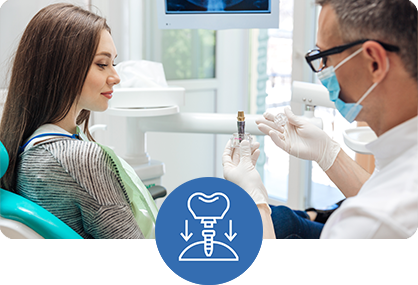

Patients missing all teeth in their upper or lower jaw (or both) have several full-arch restoration options to restore complete function and looks. The amazing All-on-4 dental implant technique uses just four carefully placed implants to support a whole arch of teeth, using available bone even in patients with some bone loss. This smart approach developed through lots of research offers:
For patients needing more support, especially those with stronger bite forces or specific anatomical considerations, All-on-6 configurations may be recommended, giving even greater stability for the prosthetic arch while still offering many of the advantages of the All-on-4 technique.
Modern dental implants typically have three parts, each carefully designed and made to provide the best function, looks, and durability:
At Oakwood Dental Clinics, we keep up with the latest implant technology to provide our patients with the most advanced and reliable solutions available in modern dentistry, using the newest innovations in materials, design, and treatment methods to ensure the best outcomes.
Not everyone can immediately get dental implants, as successful treatment depends on various physical and health factors that must be carefully checked. Several key things determine whether implants are right for you, and a thorough evaluation is essential for predicting treatment success. During your consultation at Oakwood Dental Clinics, our specialists will evaluate multiple aspects of your oral and overall health to determine if you're a good candidate for implants and develop an appropriate treatment plan.
Having enough jawbone density and volume is crucial for successful implant placement and long-term stability. The implant needs adequate bone for initial stability and subsequent osseointegration, requiring minimum dimensions in both width and height. Advanced imaging techniques like cone beam computed tomography (CBCT) allow our specialists to precisely evaluate your bone structure in three dimensions. If you've experienced bone loss due to missing teeth, gum disease, or other factors, bone grafting or sinus lifts may be necessary before implant placement to create an adequate foundation for the implants.
Healthy gums are essential for implant success and long-term implant survival, as they provide crucial protection for the underlying bone and create an effective barrier against bacterial infiltration. Active gum disease must be treated before implant placement to ensure a healthy foundation and prevent implant failure. Periodontal therapy may include deep cleaning (scaling and root planing), localized antibiotic treatment, or more advanced periodontal surgery depending on how bad the condition is. Establishing excellent oral hygiene habits is also critical before proceeding with implant treatment, as proper home care will be essential for maintaining your implants after placement.
Certain medical conditions and medications can affect healing and osseointegration, potentially impacting implant success rates. During your consultation, we'll review your medical history in detail to identify any potential concerns and develop appropriate treatment modifications if necessary. Conditions that may impact implant success include:
It's important to know that many patients with these conditions can still receive implants with proper management and specialized treatment protocols. Our experienced team works closely with your primary care physician or specialist when necessary to ensure comprehensive care and optimal outcomes even for medically complex cases.
Understanding the dental implant process helps you prepare mentally and physically for your treatment journey, reducing anxiety and setting appropriate expectations. The implant procedure involves several distinct phases, each critical to achieving optimal results. At Oakwood Dental Clinics, we make sure our patients are fully informed about each step of the procedure, providing detailed explanations and answering all questions to create a comfortable and transparent treatment experience.
The implant process begins with a thorough examination of your oral health, including multiple diagnostic procedures designed to gather complete information about your specific situation. This comprehensive approach includes:
This planning phase is crucial for determining the optimal implant type, size, and placement strategy for your specific needs. The information gathered allows for the creation of surgical guides when appropriate, enhancing precision and predictability during the implant placement procedure.
Before implant placement, some patients may need preliminary treatments to create optimal conditions for implant success. These preparatory procedures ensure that implants are placed in a healthy environment with adequate structural support:
These procedures ensure a healthy foundation for your implants and increase the likelihood of successful integration. Depending on the extent of preparatory work needed, there may be a healing period of several months before implant placement can proceed.
The implant placement surgery involves several carefully executed steps performed with precision to ensure optimal implant positioning and initial stability:
In some cases, a temporary restoration may be placed immediately, while in others, the implant site is allowed to heal before any restoration is attached. The decision depends on factors such as initial implant stability, bone quality, and the specific implant system being used.
The healing phase is critical for implant success and represents the period when the implant truly becomes a part of your body. During this period, the implant fuses with the surrounding bone through osseointegration, a biological process where bone cells grow directly onto the implant surface, creating a structural and functional connection. This process typically takes:
During this time, you may wear temporary restorations to maintain looks and function. These temporaries are designed to minimize pressure on the healing implants while still providing acceptable appearance and basic function. Your dentist will provide specific instructions about dietary restrictions and oral hygiene protocols during this critical healing phase.
Once osseointegration is complete and the implant is firmly anchored in the jawbone, the final phases of treatment can begin. These steps transform the implant from a hidden foundation into a functional, aesthetic tooth replacement:
The final restoration is carefully designed to match your natural teeth in color, shape, and size, ensuring a seamless smile. Modern materials and techniques allow for incredibly lifelike results that are virtually indistinguishable from natural teeth, both in appearance and function.
When considering tooth replacement options, it's important to understand how dental implants compare to traditional alternatives in terms of function, aesthetics, longevity, and impact on overall oral health. This knowledge helps you make informed decisions about your dental health investment and choose the solution that best fits your lifestyle, preferences, and long-term goals.
Dental implants offer several advantages over traditional dentures, addressing many of the common complaints associated with removable prosthetics:
Traditional dentures:
Implants:
Traditional bridges require grinding down healthy teeth next to the gap to support the replacement tooth, potentially hurting their long-term health and creating additional risk for decay and other problems. In contrast, dental implants offer numerous advantages:
While bridges may cost less at first, the long-term benefits of implants often make them the more cost-effective solution over time when considering the potential need for replacement and the possibility of complications with supporting teeth. Many patients find that the initial investment in implant technology provides better value through improved function, aesthetics, and oral health preservation.
Dental implant treatment is not one-size-fits-all. Different patient groups have unique considerations that affect treatment planning and outcomes. Our specialized approach recognizes these variations and adapts treatment protocols accordingly to maximize success rates and patient satisfaction across diverse populations with different needs and circumstances.
Seniors can benefit tremendously from dental implants, which offer advantages over traditional dentures, including significantly improved quality of life through better function and confidence. The benefits specifically relevant to older adults include:
Age alone doesn't disqualify you from getting implants, with many patients in their 80s and even 90s successfully receiving implant treatment. However, seniors may require additional health evaluations and sometimes modified treatment protocols to address age-related changes in bone density, healing capacity, or medical conditions. Our team works closely with older patients' physicians when necessary to ensure safe and effective treatment.
Many patients with significant bone loss can still receive implants through advanced techniques developed specifically to address these challenging situations. Modern implantology offers multiple solutions for compromised bone volume:
Our specialists are skilled in these advanced techniques, making implants possible for patients who might have been told they weren't candidates elsewhere. Through comprehensive evaluation and creative treatment planning, we can often find solutions for even the most challenging cases of bone loss.
Certain health conditions require special attention when planning implant treatment, though they rarely completely prevent you from getting implants when properly managed. Our approach includes close collaboration with patients' medical providers to ensure safe and effective treatment:
Proper care during recovery and beyond is essential for long-term implant success and the prevention of complications that could compromise your investment. Understanding what to expect during the healing process helps patients navigate their recovery with confidence and take appropriate measures to ensure optimal healing and integration of their dental implants.
The first 48-72 hours after implant surgery are crucial for proper healing and establishing the foundation for successful osseointegration. Our recovery guidelines typically include comprehensive instructions covering multiple aspects of post-surgical care:
Proper nutrition is vital for healing after implant surgery, as specific nutrients support tissue regeneration and bone formation. A thoughtfully planned diet during recovery can significantly enhance healing outcomes. We recommend:
As healing progresses, you can gradually reintroduce more solid foods to your diet according to your comfort level and your dentist's recommendations. Most patients can return to their normal diet within 1-2 weeks, though caution with very hard or crunchy foods may be advised for a longer period.
With proper care, dental implants can last a lifetime, making them an excellent investment in your oral health. Long-term maintenance includes daily home care practices and regular professional monitoring:
Regular dental visits allow us to monitor your implants and address any concerns before they become serious problems. During these visits, we'll check for signs of peri-implant disease, evaluate the integrity of your restorations, and make adjustments as needed to ensure continued function and comfort.
Choosing the right dental implant solution involves weighing several important factors to ensure the best outcome for your specific situation. This decision-making process should be thoughtful and informed, taking into account both clinical considerations and personal preferences to achieve optimal results that align with your expectations and lifestyle.
Consider what matters most to you in terms of various aspects of implant treatment and outcomes, as different solutions may prioritize certain benefits over others. Taking time to reflect on your priorities will help guide your decision:
Your priorities will help guide the selection of the most appropriate implant solution, whether that's a single tooth replacement focused on perfect aesthetic integration or a full-arch rehabilitation prioritizing immediate function and simplified maintenance.
The skill and experience of your implant provider significantly impact treatment success, perhaps more than any other factor. Not all dentists have equal training or experience with implant procedures, and specialized knowledge is crucial for optimal outcomes. When selecting a specialist, consider:
At Oakwood Dental Clinics, our implant specialists have extensive training and experience in all aspects of implant dentistry, ensuring optimal results for even complex cases. We believe in clear communication and partnership with our patients throughout the treatment process.
Dental implants represent the most advanced and effective solution for replacing missing teeth available today. By understanding the different types of implants, evaluating your candidacy, and knowing what to expect throughout the treatment process, you can make an informed decision about whether implants are right for you.
As you consider dental implants, keep these important takeaways in mind:
While the initial investment in dental implants may be higher than other tooth replacement options, the long-term value is significant. Unlike dentures that need regular replacement and bridges that may fail after 10-15 years, implants can provide decades of reliable function with proper maintenance. They also protect your remaining teeth and preserve your jawbone, preventing the cascade of oral health problems that often follows tooth loss.
At Oakwood Dental Clinics, we're committed to helping you achieve a complete, healthy smile through expert implant dentistry. Our experienced team combines advanced technology with personalized care to deliver exceptional results for patients of all ages and dental conditions.
Whether you're missing a single tooth or need full-arch restoration, we have the expertise and solutions to meet your needs. Our comprehensive approach includes thorough evaluation, detailed treatment planning, skilled surgical placement, and ongoing maintenance support to ensure your implants provide lasting function and beauty.
Contact us today to schedule your consultation and discover how dental implants can transform your smile, restore your confidence, and improve your quality of life. Your journey to a complete, beautiful smile starts here.

