
Between school drop-offs, commuting, and late dinners, it can be hard for families to keep up with consistent brushing and flossing. Yet 34% of parents say their child does not regularly brush twice a day, even though this is the most basic recommendation for cavity prevention. At Oakwood Dental Clinics, we see every day how small, realistic routines can make a big difference for busy families, and we design our guidance with your real schedule in mind—not an ideal one.
| Question | Short Answer |
|---|---|
| 1. What is a realistic oral hygiene routine for a busy family? | Aim for twice-daily brushing, once-daily flossing, and regular checkups every six months, supported by simple habits like shared family brushing time and set “brush-before-bed” rules. Our overview of what is considered routine dental care explains how these basics protect long-term health. |
| 2. How often should children and adults get professional cleanings? | Most families do well with dental cleanings and exams every six months. Learn more about regular appointments in our page on routine dental care. |
| 3. Are fast morning routines enough to prevent cavities? | Quick brushing helps, but rushed habits often miss plaque and leave food between teeth. Our guide to better health with proper oral hygiene outlines what a complete routine looks like—even on busy days. |
| 4. How important are regular checkups if we take good care at home? | Checkups detect early decay, gum disease, and other concerns that home care alone can miss. We explain the benefits in detail in the importance of dental checkups. |
| 5. What products are most useful for family oral care? | Age-appropriate toothbrushes, fluoride toothpaste, floss, and sometimes interdental cleaners or mouthwash. Our article on essential dental care products for family smiles covers what each age group needs. |
| 6. How can we prevent problems like bleeding gums with a hectic schedule? | Gentle brushing, daily flossing, and timely appointments are key. If gums bleed, our practical guide on what to do if your gums are bleeding explains when home care is enough and when to seek professional help. |
| 7. Can we keep teeth white without complicated routines? | Yes—consistent brushing, smart food and drink choices, and periodic professional care help. For families considering cosmetic options, see our guide on how to keep your smile white. |
Oral health is part of overall health, not a separate concern to fit in “if there’s time.” When routines slip—especially in children—plaque, cavities, and gum problems can develop long before you notice any pain. At Oakwood Dental Clinics, we see that families with even simple, consistent routines tend to have fewer emergencies and less need for complex restorative care.
Routine dental care does not need to be complicated or time-consuming. It is built on a few key pillars: daily home care, smart nutrition, and regular professional visits. Our overview of routine dental care emphasizes that with prevention, many future problems are avoidable and treatment is more comfortable and predictable. The goal is not perfection; it is consistency that realistically fits your lifestyle.


For most busy households, a practical target is:
According to national survey data, only 20% of children perform 4–6 key hygiene practices (brushing, flossing, tongue cleaning, rinsing, etc.) on most days. We help families prioritize the steps that offer the greatest benefit for the time invested. Our team often suggests pairing brushing and flossing with existing routines—such as bath time for young children or screen time limits for teens—to make them easier to remember.
When mornings are rushed, we encourage families to focus on efficiency instead of skipping care. Keep toothbrushes, flossers, and toothpaste accessible and organized for everyone. Consider a shared caddy or drawer so that children can brush in the kitchen or near where they eat breakfast, reducing extra trips back and forth.
Evening routines tend to be more flexible and are often the best time to complete the more detailed steps. A simple pattern such as “pajamas, brush and floss, then one story or ten minutes of device time” can help children follow through. For adults, setting a calendar reminder or linking brushing to a consistent event (such as preparing school lunches) can reduce the chance of falling asleep before cleaning teeth.
A family routine works best when it respects different ages and needs. For infants and toddlers, the goal is gentle cleaning and habit-building: wiping gums with a soft cloth, then using a small, soft-bristled brush with a smear of fluoride toothpaste once the first teeth appear. Parents should perform or closely supervise all care at this stage.
Children and pre-teens usually need a pea-sized amount of fluoride toothpaste and hands-on help until they can tie their shoes independently—a rough sign of adequate dexterity. Teens benefit from reminders that appearance and breath are directly affected by oral care, and may also need tailored advice if they have braces or aligners. Adults should maintain twice-daily brushing and daily flossing while paying close attention to any signs of gum irritation or sensitivity.
Oral hygiene habits are more likely to stick when they are anchored to routines you already follow. Research shows that regular bedtimes are linked to lower cavity risk and better self-rated oral health
Shared meals also play a role. Families who eat dinner together more often tend to have lower caries risk, possibly because parents can better monitor what children eat and remind them to drink water or brush afterward. We often recommend choosing one “family hygiene checkpoint” each day—such as after dinner—when everyone, including adults, takes care of their teeth together.
With limited time, using the right products can make each minute of care more effective. We typically recommend:
Our guide to essential dental care products for family smiles outlines which tools work well at different life stages, including infants, children, teens, and adults. When in doubt, we are happy to review your family’s current products during a checkup and suggest small adjustments that can improve results without adding more time.
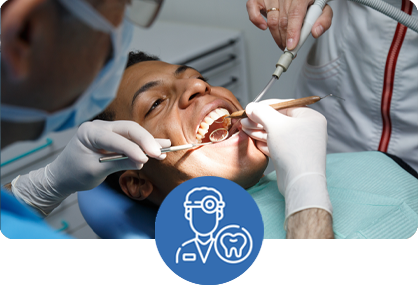
Even with excellent home routines, professional care is essential. Biannual dental checkups and cleanings allow us to remove hardened tartar, monitor development in children, and detect concerns such as cavities or gum disease early—often before they cause discomfort. Most insurance plans are structured around this schedule because it is so effective at preventing larger problems.
We understand that scheduling can be difficult for working parents and active children. At Oakwood Dental Clinics, we offer routine teeth cleaning and checkup appointments that are planned to be efficient and comfortable, focusing on preventive care while respecting your time. Many families find it helpful to book the next visit before leaving the office so it is on the calendar well in advance.
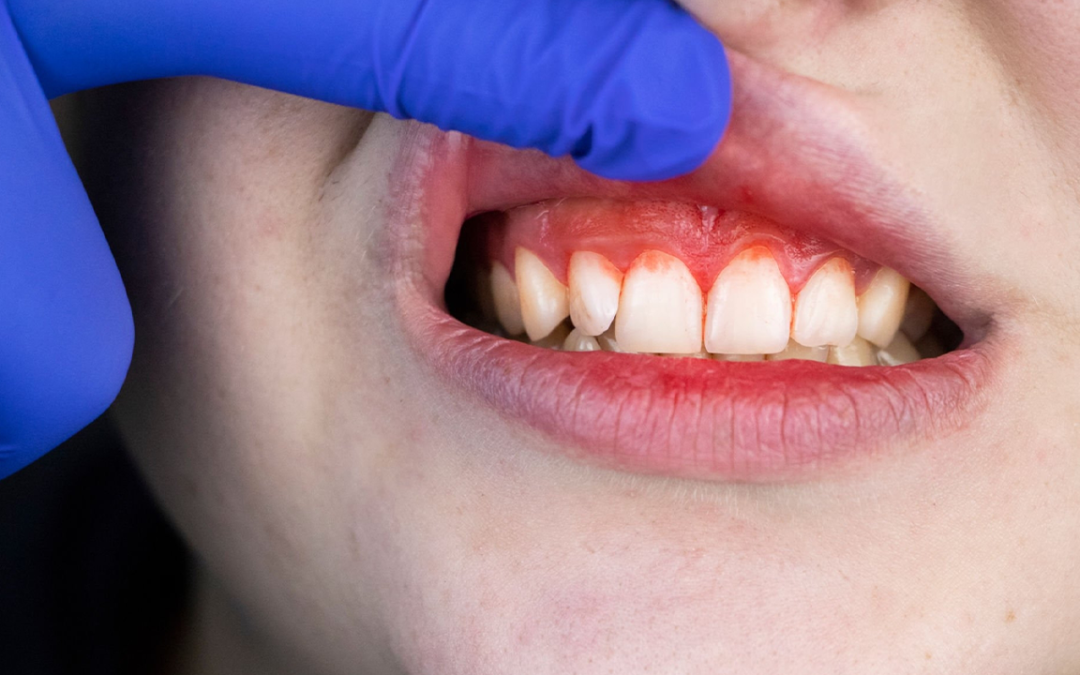
Busy routines sometimes lead families to overlook early warning signs. Bleeding gums during brushing or flossing often indicate inflammation from plaque buildup and can usually be improved with more consistent, gentle cleaning. Our article on what to do if your gums bleed outlines four simple steps families can take at home, as well as situations when professional evaluation is needed.
Bad breath in children and adults can result from not brushing the tongue, skipping flossing, or going to bed without cleaning teeth. Sensitivity to hot or cold drinks may signal enamel wear, recession, or early decay. If these concerns stay constant or worsen, we strongly recommend a prompt checkup so that we can address the cause early with minimally invasive options.
Daily choices outside the bathroom also affect your family’s oral health. Frequent sipping on juice, sweetened coffee, or sports drinks throughout the day keeps teeth bathed in sugar and acid. We advise limiting sugary drinks to mealtimes, encouraging water between meals, and choosing tooth-friendly snacks such as cheese, nuts (when age-appropriate), and crunchy vegetables.
Screen time is another factor. Research finds that higher screen use is associated with increased cavity risk and poorer self-rated oral health, likely due to more snacking and delayed bedtimes. Clear household rules—such as no devices at the table and shutting screens off 30–60 minutes before bed—can support both general health and a consistent nightly brushing routine.

Many busy adults and teens are interested in whitening but hesitate because they worry it will require complicated routines. For surface staining from coffee, tea, berries, or sauces, consistent brushing and flossing are the first line of defense. Our tips on how to keep your smile white emphasize simple strategies, such as rinsing with water after dark beverages and avoiding long-term sipping.
When deeper discoloration is present or you want a more noticeable change, professional in-office teeth whitening can often be completed in a single visit. At Oakwood Dental Clinics, we carefully evaluate your teeth and gums first to ensure whitening is appropriate and comfortable, and we provide guidance on maintaining results with everyday routines at home.
Healthy family smiles do not require perfect schedules or elaborate routines. They depend on a few consistent habits—twice-daily brushing, daily flossing, thoughtful food and drink choices, and regular professional care—adapted to the realities of your household. Even in very busy lifestyles, small changes such as shared brushing time, predictable bedtimes, and pre-booked checkups can have a meaningful impact.
At Oakwood Dental Clinics, we partner with families to create oral hygiene routines that are practical, age-appropriate, and sustainable. If you would like personalized guidance for your family’s schedule, or if it has been more than six months since your last visit, we welcome you to contact us so we can help you plan the next steps toward healthier, more confident smiles for every member of your household.

