
Dental implants are designed to be a long-term solution for missing teeth, but they are not “set and forget.” Peri-implant mucositis affects up to half of patients within 5–10 years, and peri-implantitis can affect more than 1 in 5 patients at 20 years if maintenance is poor. With the right daily habits and professional support, you can dramatically cut these risks and keep your implants healthy, comfortable, and attractive for many years.
| Common Question | Essential Answer (with Helpful Resources) |
|---|---|
| 1. How should I clean my dental implants every day? | Brush twice daily with a soft-bristled brush and low-abrasive toothpaste, and clean between implants with floss or interdental brushes. For full-arch solutions, professional guidance like the detailed protocols in this aftercare guide is key. |
| 2. What is the most critical period after implant surgery? | The first 48 hours and first week are crucial for healing and reducing complications. Follow instructions similar to those in the implant procedure overview and your surgeon’s written directions carefully. |
| 3. Do full mouth implants need special care? | Yes. Full-arch restorations (like All-on-4/All-on-X) require meticulous hygiene and regular professional maintenance to protect all supporting implants, as outlined in the full mouth implant benefits guide. |
| 4. Are implants harder to care for than natural teeth? | No—but they are different. While you can brush and floss similarly, implant-specific tools and professional care are important. Many myths about “high-maintenance” implants are clarified in this myths article. |
| 5. How often should I see a dentist for implant maintenance? | Most patients benefit from visits every 3–6 months, depending on risk factors like smoking, gum disease history, or osteoporosis. A team experienced in implant dentistry at Oakwood Dental Clinics can tailor a schedule for you. |
| 6. Do different types of implants require different care? | Yes. Endosteal, zygomatic, mini, and full-arch implants each have specific cleaning considerations. Learn how types differ in the comprehensive implant types guide. |
| 7. What if I have many missing teeth and need full-mouth solutions? | Full-mouth implants or All-on-4 options provide stable, fixed teeth, but they rely heavily on lifelong care. Various strategies are reviewed in this full mouth restoration overview. |
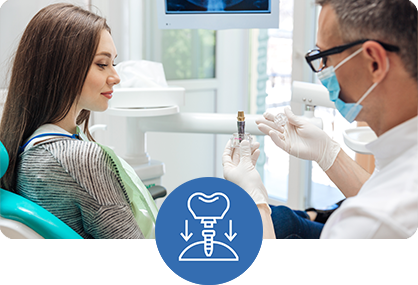
Dental implants are small titanium or similar biocompatible posts surgically placed into the jawbone to act as artificial roots. After they integrate with the bone (a process called osseointegration), they support crowns, bridges, or full-arch prostheses that look and function like natural teeth.
While implants do not decay, the surrounding gum and bone can become inflamed or infected if plaque and bacteria are not controlled. Conditions such as peri-implant mucositis (gum inflammation) and peri-implantitis (bone loss around implants) are major causes of failure—but they are largely preventable with consistent care.
At Oakwood Dental Clinics, implant care is supported by modern imaging, planning software, and restorative materials. This technology helps ensure precise implant placement, which in turn makes cleaning easier and long-term maintenance more predictable for patients.
The first two days after surgery are critical for clot formation, early healing, and comfort. Keep pressure off the surgical site, avoid vigorous rinsing, and do not brush the implant area on the first day unless your surgeon instructs otherwise.
To reduce swelling, apply ice packs externally in 15–20 minute intervals and keep your head elevated while resting. Stick to cool, soft foods and avoid hot drinks, straws, smoking, and alcohol, all of which can disrupt healing and increase complication risk.
The detailed recommendations in Oakwood Dental’s aftercare protocols emphasize rest, gentle oral hygiene away from the surgical sites, and strict adherence to any prescribed medications. Call your clinic promptly if you experience severe pain, uncontrolled bleeding, or signs of infection such as fever or expanding swelling.
During the first week, your goal is to protect the implant site while gradually reintroducing gentle function. You can usually begin carefully brushing around the area with a soft brush after the first 24–48 hours, avoiding direct contact with sutures until your dentist approves it.
Food choices should still be soft and easy to chew—think scrambled eggs, yogurt, mashed vegetables, and finely chopped foods on the non-surgical side. Avoid biting into crusty bread, tough meats, or hard snacks that can overload the implant or disturb healing tissues.
Swelling and mild bruising often peak within 48–72 hours and then slowly resolve. Persistent pain, bad taste, or visible pus are not normal and should be reported immediately. A follow-up visit with your implant dentist during the first week or two allows professional evaluation and early intervention if needed.
Once healed and restored with a crown, bridge, or full-arch prosthesis, your implants require consistent, gentle daily cleaning. Use a soft, manual or electric toothbrush and a non-abrasive, low-foaming toothpaste to avoid scratching the prosthetic surfaces or irritating the gums.
Interdental cleaning is vital because plaque tends to accumulate between implants and adjacent teeth. Your dentist may recommend implant-specific floss, super floss, interdental brushes with plastic-coated wires, or water flossers to reach under bridges and around connectors.
A single implant crown is often cleaned similarly to a natural tooth, though you might need specialized floss to wrap under the contact points. Full-arch solutions such as All-on-4 require additional effort below the prosthetic, where food and plaque can collect against the gum line.
Ask your hygienist to demonstrate the correct angle and motion for your specific prosthesis. Many patients benefit from a customized home-care kit assembled during implant maintenance visits.
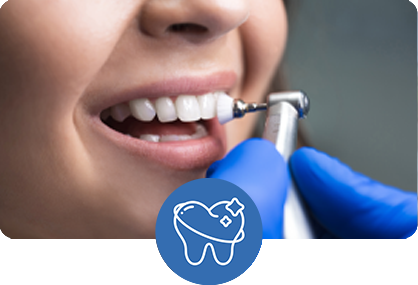
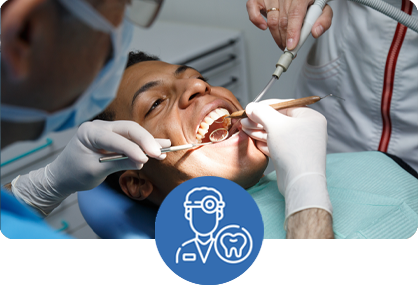
Even with excellent home care, you cannot fully remove all plaque and calculus from implant surfaces on your own. Routine professional maintenance visits allow your dental team to clean around the implants, monitor tissue health, and take periodic radiographs to assess bone levels.
Most patients with implants benefit from a 3–6 month recall interval, depending on risk factors such as prior gum disease, smoking, diabetes, or complex full-arch reconstructions. During these visits, clinicians use instruments and polishing systems that are compatible with implants and prosthetic materials.
Many modern clinics use non-metal scalers and air-polishing devices with fine powders to gently remove biofilm without damaging the implant surface. This type of care is particularly important around roughened implant surfaces and under full-arch bridges, where access is limited.
Ask your provider what maintenance protocol they recommend for your specific case, and commit to that schedule consistently. Long-term data clearly show that patients on regular maintenance have lower rates of peri-implant disease and implant loss.

Not all implant systems are identical, and this influences how you should care for them. Endosteal implants placed within the jawbone are the most common and generally follow standard hygiene rules, but zygomatic, mini, or subperiosteal implants may be used in cases with limited bone.
Full-arch systems such as All-on-4 or All-on-X rely on several strategically placed implants to support an entire arch of teeth. Because a large prosthesis is involved, cleaning underneath and around each implant position is critical for long-term success.
| Implant Type | Typical Use | Care Considerations |
|---|---|---|
| Endosteal Implants | Single teeth, bridges | Clean like natural teeth with extra attention to gum margins and contacts. |
| Mini Implants | Dentures, limited space | Use delicate interdental tools; avoid excessive biting forces. |
| All-on-4 / All-on-X | Full-arch fixed bridges | Clean under bridge daily with floss threaders, water flossers, and specific brushes. |
| Zygomatic / Subperiosteal | Severe bone loss cases | Require strict maintenance and frequent professional monitoring. |
Your implant dentist will explain which type you have and demonstrate the most effective home-care strategy for your configuration. Never assume that what works for a friend or family member with implants is ideal for you.
Your everyday choices have a significant impact on implant longevity. Smoking, for example, substantially increases the risk of peri-implant disease by affecting blood flow, immune response, and bacterial composition around implants.
Poorly controlled diabetes, untreated gum disease on natural teeth, and chronic bruxism (teeth grinding) also raise complication rates. Addressing these factors with your medical and dental providers is part of comprehensive implant care.
A balanced diet rich in protein, vitamins C and D, and calcium supports bone and soft tissue health around implants. During healing phases, follow your dentist’s soft diet recommendations; once healed, avoid habits such as chewing ice, tearing packages with your teeth, or biting very hard foods with implant-supported teeth.
Night guards are often recommended for patients who grind or clench, especially those with multiple implants or full-arch prostheses. This simple appliance can significantly reduce mechanical stress on the implants over time.
Many early implant problems start silently, so paying attention to subtle changes helps you act before serious damage occurs. Bleeding when brushing around implants, persistent redness, or swelling of the gums may indicate peri-implant mucositis, which is reversible with prompt care.
More advanced signs include pus, deepening pockets around the implant, a bad taste, or loosening of the crown or bridge. Pain is not always present, so do not wait for severe discomfort before seeking help.
Mild tenderness or occasional slight bleeding during initial healing or after a new hygiene routine can be normal, provided it improves quickly. However, symptoms that persist, worsen, or are accompanied by systemic signs like fever require professional evaluation.
Important: Never attempt to tighten loose screws, adjust your implant crown, or self-treat suspected infections. These issues require evaluation and management by a trained implant dentist.
Many people hesitate to get implants or neglect them because of misinformation. One common myth is that implants either require no care at all or, conversely, that they are far too high-maintenance to manage.
In reality, well-placed implants cared for using simple daily routines and regular professional visits are highly predictable and comfortable. Another myth is that implants “often fail,” but most failures are linked to uncontrolled risk factors, poor planning, or lack of maintenance—not the technology itself.
Modern implant dentistry benefits from decades of research, refined surgical techniques, and improved restorative materials. When you follow structured aftercare guidelines and stay engaged with professional maintenance, your long-term outlook improves greatly.
Discuss any concerns openly with your dentist so they can provide evidence-based explanations tailored to your medical history and treatment plan. Understanding what is truly required makes it much easier to commit to a realistic, effective care routine.
Full mouth implant solutions, including All-on-4 and All-on-X systems, can replace an entire arch of teeth with a fixed bridge supported by four or more implants. These restorations restore chewing efficiency and aesthetics, but their success depends heavily on diligent cleaning and professional monitoring.
Because the prosthesis spans a large area, biofilm can accumulate along the gum line and under the bridge if care is inadequate. Special floss threaders, under-bridge brushes, and water flossers are often recommended to reach these areas.
Patients with full mouth implants typically require more frequent hygiene visits, at least in the early years. During these appointments, clinicians check screws, assess occlusion (bite), clean under the bridge, and verify that all implants remain healthy on clinical and radiographic examination.
Following the personalized plan your implant team provides—both at home and in the clinic—is the most reliable way to preserve your investment and enjoy confident chewing and smiling every day.
At Oakwood Dental Clinics, implant care is integrated into a wider preventive and restorative philosophy. From initial planning to final restoration and lifelong maintenance, the team uses digital diagnostics and modern restorative solutions to support predictable outcomes.
Patients benefit from coordinated hygiene protocols, clear written and verbal instructions, and regular re-evaluations of both implants and natural teeth. This comprehensive approach recognizes that your implants are part of your overall oral and systemic health.
Feedback from implant patients frequently highlights comfort, confidence in chewing, and improved quality of life when care is consistent. The clinical team works closely with each patient to adapt recommendations as health status, medications, or life circumstances change.
If you already have implants or are considering them, scheduling a consultation allows you to discuss your goals, risk factors, and the specific maintenance plan that will help protect your new teeth for the long term.
Caring for your dental implants is not complicated, but it does require consistency and attention to detail. From the first 48 hours after surgery to daily brushing and interdental cleaning, every step helps prevent inflammation and bone loss around your implants.
Regular professional maintenance, control of lifestyle risk factors, and prompt response to early warning signs all play a decisive role in how long your implants last. By partnering with an experienced implant team such as the clinicians at Oakwood Dental Clinics and following their tailored advice, you give your implants the best chance to serve you comfortably and reliably for many years.

