
Dental implant surgery is a big investment in your oral health and quality of life. Knowing what to expect during recovery helps you feel more at ease and leads to better results. Recovery follows a predictable timeline, though each person's experience may be different based on their overall health, how many implants they got, and how well they follow aftercare instructions. Understanding these factors helps you prepare for your healing journey.
Dental implants are permanent replacements for missing teeth that work and look like natural teeth. The procedure puts a titanium post into your jawbone to act as an artificial tooth root. This post eventually fuses with your bone through a process called osseointegration. This biological connection is what makes dental implants so stable and long-lasting compared to other tooth replacement options, making them the best choice for suitable patients.
Understanding the essential aftercare for dental implant success is crucial for getting the best results. Recovery happens in several phases, each with its own expectations and care needs. This guide will walk you through what to expect during each phase, from right after surgery to long-term care of your new dental implants. By knowing these stages, you'll be better able to take part in your healing process and recognize important milestones along the way to full recovery.
The first 48 hours after dental implant surgery are really important for setting up good healing. During this time, your body starts the initial healing process, and how you take care of yourself can greatly affect your comfort and recovery. The surgical site is most vulnerable now, and following post-operative instructions carefully helps protect the implant and surrounding tissues as they begin to heal. Good care during this time can help reduce complications and set the stage for successful osseointegration in the coming months.
Right after surgery, some bleeding is normal and expected. Your dentist will give you gauze pads to bite down on, which helps control bleeding by putting pressure on the surgical site. If bleeding continues beyond the first day, gently biting on a moist tea bag for 30 minutes can help, as the tannic acid in tea helps blood clot. This natural remedy works well for many patients when regular gauze pressure isn't enough. Remember to change gauze pads when they get soaked, and don't spit or rinse too much, which can dislodge forming blood clots.
Swelling usually peaks around 48-72 hours after surgery and is a normal part of how your body heals. To reduce swelling, apply cold packs to the outside of your face near the surgical area in 20-minute intervals (20 minutes on, 20 minutes off) during waking hours for the first 48 hours. This controlled application prevents tissue damage from too much cold while maximizing the anti-swelling benefits. Keeping your head up, even while sleeping, can further reduce swelling by improving blood flow and preventing blood from pooling in the surgical area.

Discomfort after dental implant surgery is normal and can be managed with prescribed or over-the-counter medications. Take any prescribed pain medications or antibiotics exactly as directed by your general dentistry provider. For mild to moderate pain, over-the-counter pain relievers like ibuprofen can work well, but always check with your dentist about which medications are right for your specific situation. Ibuprofen not only helps with pain but also reduces inflammation, making it especially useful after dental surgery. However, some patients may need to avoid certain medications because of medical conditions or drug interactions, which is why personalized advice from your dental team is important.
Rest is essential during the first 24-48 hours after surgery. Plan to take it easy and avoid hard activities that could increase bleeding or discomfort. Keep your head elevated when lying down, as this helps reduce swelling and makes you more comfortable. Most patients can return to light activities within a few days, but strenuous exercise should be avoided for at least a week or as advised by your dental surgeon. Physical effort increases blood pressure and heart rate, which can make bleeding and swelling at the surgical site worse. Also, the physical stress of exercise takes energy your body needs for healing. Gradually return to normal activities as you begin to feel better, always paying attention to how your body responds.
Good nutrition is essential for healing after dental implant surgery, but the foods you choose during early recovery can greatly impact your comfort and the success of the implant. A thoughtful approach to diet can help protect the surgical site while providing the nutrients your body needs to heal effectively. Nutritional choices during recovery directly influence tissue repair, immune function, and the body's ability to manage inflammation. Smart food selection helps maintain energy levels and supports the complex biological processes involved in wound healing and osseointegration.
During the first week after surgery, stick to soft foods that require minimal chewing. This reduces pressure on the implant site and surrounding tissues, allowing for undisturbed healing. Our guide on the best foods to eat after dental implant surgery provides comprehensive recommendations. The ideal recovery diet balances nutrition with mechanical softness, ensuring you receive adequate protein, vitamins, and minerals without compromising the surgical site. Foods rich in vitamin C, zinc, and protein are particularly valuable for supporting collagen formation and tissue repair during this critical healing phase.
Excellent soft food options include:
Yogurt, pudding, and applesauce; smoothies and protein shakes (consumed with a spoon, not a straw); well-cooked, soft vegetables; mashed potatoes or sweet potatoes; scrambled eggs; pasta, rice, and soft breads; and soups and broths (not too hot). These foods provide essential nutrients while being gentle on the surgical site. Greek yogurt offers high-quality protein and beneficial probiotics, while soft-cooked vegetables provide vital antioxidants and fiber. Incorporating a variety of these options ensures balanced nutrition without compromising your comfort or healing process.
Certain foods and eating behaviors can disrupt the healing process or damage the implant site. During recovery, avoid hard, crunchy, or sticky foods that could dislodge blood clots or damage the surgical site. Stay away from very hot foods or beverages that might cause discomfort or bleeding, and spicy foods that could irritate the surgical area. Alcoholic beverages should be avoided, especially while taking medications, as alcohol can interfere with healing and may interact negatively with prescribed medications. Don't use straws, as the sucking motion can dislodge blood clots and delay healing, potentially leading to a painful condition called dry socket. Additionally, avoid chewing directly on the implant site, as this places mechanical stress on the healing tissues and could compromise integration.
As healing progresses, usually after 7-10 days, you can gradually reintroduce more solid foods into your diet. Listen to your body and proceed at a pace that feels comfortable. If you experience pain when attempting to eat certain foods, it's a sign that you may need to wait longer before including them in your diet. This transitional period requires patience and attention to how your body responds to different textures and food types. Begin by incorporating foods that are slightly firmer but still relatively soft, such as tender meats, cooked vegetables, and soft fruits, before attempting crunchier or chewier options.
Dental surgery recovery requires patience, and rushing back to hard or crunchy foods too quickly can compromise healing and implant integration. When in doubt, err on the side of caution and stick with softer options until you've had your follow-up appointment and received clearance from your dentist. Remember that the investment in your dental implant is long-term, and temporary dietary modifications are a small price to pay for ensuring successful healing and longevity of your restoration.
Maintaining proper oral hygiene after dental implant surgery is crucial for preventing infection and ensuring successful healing. However, the approach to oral care must be modified during the recovery period to protect the surgical site while keeping the rest of the mouth clean. Bacterial control is essential, as excessive bacterial buildup can lead to inflammation or infection that might compromise implant integration. Developing appropriate cleaning habits early in the recovery process also establishes the foundation for the long-term maintenance that dental implants require.
For the first 24 hours after surgery, follow these guidelines: avoid rinsing, spitting, or touching the wound area to prevent disturbing the blood clot and sutures; if brushing your teeth, be very gentle and stay away from the surgical site; and remember that some bleeding or redness in saliva is normal for the first 24 hours. During this initial period, the primary focus is on allowing blood clots to form and stabilize, as these clots protect the wound and provide the scaffold for healing tissues. Even gentle rinsing can dislodge these early clots, so it's best to avoid any disturbance to the surgical area. If you notice excessive bleeding that doesn't subside with gentle pressure from gauze, contact your dental provider for guidance.
After the first 24 hours, gentle oral hygiene practices can begin. Start using a warm saltwater rinse (1/2 teaspoon of salt in 8 ounces of warm water) 2-3 times daily, especially after meals. This natural antiseptic solution helps reduce bacteria without irritating the healing tissues. Continue brushing your teeth, but be extremely gentle around the surgical area. Use a soft-bristled toothbrush and consider techniques that allow you to clean the teeth adjacent to the implant site without directly disturbing the wound. If prescribed, use chlorhexidine mouthwash according to instructions, as this professional-strength antimicrobial provides additional protection against infection. Avoid commercial mouthwashes containing alcohol, as these can irritate the surgical site and potentially delay healing due to their drying and irritating effects.
As healing progresses, your dentist may recommend special cleaning tools for maintaining the area around your dental implant: soft interdental brushes for cleaning between teeth and around the implant; unwaxed dental tape or specialized implant floss; and oral irrigators on a low setting (only when recommended by your dentist). These specialized tools are designed to effectively clean around implant components without scratching their surfaces or damaging the surrounding gum tissues. The unique structure of implants, particularly where they emerge from the gumline, often requires different cleaning approaches than natural teeth. Your dental team can provide demonstrations of proper technique for using these specialized tools to ensure effective cleaning without causing damage.
Dental implant maintenance requires ongoing attention to oral hygiene. Proper cleaning techniques help prevent peri-implantitis, an inflammatory condition that can lead to implant failure if left untreated. This condition, similar to periodontitis around natural teeth, involves inflammation of the soft tissues and progressive bone loss around the implant. Establishing effective cleaning habits during the recovery phase helps prevent this serious complication and protects your investment in oral health for years to come.
After dental implant surgery, patients typically experience several side effects that, while uncomfortable, are normal parts of the healing process. Understanding these common side effects can help calm your worries and help you tell the difference between normal recovery symptoms and potential problems that need professional attention. The body's inflammatory response is a necessary part of healing, but knowing how to manage these symptoms effectively can greatly improve your comfort during recovery and support optimal healing outcomes.
Facial swelling is a natural response to oral surgery and typically peaks within 48-72 hours before gradually going down. Some patients also experience bruising on the skin near the surgical site, which may appear a few days after surgery and can range from mild to extensive depending on individual factors. The extent of swelling and bruising varies considerably between patients and is influenced by several factors including the complexity of the procedure, individual healing capacity, and anatomical considerations. Those with fair skin often notice more visible bruising, while patients with higher tissue density may experience more pronounced swelling.

To manage swelling effectively: continue applying cold compresses for the first 48 hours; after 48 hours, switch to warm, moist heat to help reduce persistent swelling; keep your head elevated, even while sleeping, by using extra pillows; and take anti-inflammatory medications as prescribed or recommended. This transition from cold to heat therapy follows the body's natural inflammatory timeline - cold therapy helps limit initial swelling by constricting blood vessels, while heat therapy later promotes circulation and helps the body clear inflammatory byproducts. Consistent application of these measures, rather than intermittent use, provides the most effective management of swelling throughout the recovery period.
Some degree of pain is expected after implant surgery and typically follows this pattern: day of surgery - numbness from anesthesia wears off, revealing moderate to significant discomfort; days 1-3 - peak discomfort period, usually requiring prescribed pain medication; days 4-7 - gradual reduction in pain, often manageable with over-the-counter medications; beyond week 1 - continued improvement with only occasional mild discomfort. This predictable pain trajectory helps patients understand what to expect and recognize when their experience deviates from the normal pattern. The quality of pain should be considered alongside its intensity - sharp, throbbing, or radiating pain may indicate different issues than dull, generalized discomfort.
If pain increases rather than decreases after the third day, or if you experience severe, throbbing pain, contact your dentist immediately, as this could indicate an infection or other complication. Proper pain management not only improves your comfort but also supports healing, as uncontrolled pain can increase stress hormones and potentially delay recovery. Following the prescribed medication schedule, rather than waiting for pain to become severe before taking medication, helps maintain more consistent comfort levels throughout recovery.
Temporary limitation in jaw opening (trismus) is common after dental implant surgery, especially for procedures in the back of the mouth. This stiffness typically improves gradually over the first week but may persist longer in some cases. The muscles of mastication (chewing) can become inflamed or irritated during surgery, leading to this restricted movement. Additionally, keeping the mouth open during the procedure can strain these muscles, contributing to post-operative stiffness. Patients with pre-existing temporomandibular joint (TMJ) issues may experience more pronounced or prolonged trismus after implant surgery.
Gentle jaw stretching exercises, as recommended by your dentist, can help improve jaw mobility. Apply warm compresses to relax the muscles if you're experiencing significant stiffness. These exercises should be introduced gradually, without forcing the jaw beyond comfortable limits. Progressive stretching helps prevent long-term restriction while respecting the healing tissues. Your dental team can provide personalized guidance on appropriate exercises based on your specific situation and recovery progress.
Dental implant myths often include misconceptions about pain levels during recovery. While discomfort is expected, modern techniques and appropriate pain management strategies make the experience much more tolerable than many anticipate. Advanced surgical planning, precise implant placement, and tissue-preserving techniques have significantly improved the post-operative experience for most patients compared to earlier implant protocols.
Understanding the typical timeline for dental implant recovery helps patients set realistic expectations and recognize their progress through each healing phase. While individual experiences vary, most patients follow a similar recovery trajectory. This predictable pattern allows for appropriate planning of activities and anticipation of changing care needs throughout the healing process. Recovery from dental implant surgery occurs in distinct phases, each characterized by different biological processes and clinical milestones.
The first few days after surgery focus on managing initial symptoms and protecting the surgical site. Bleeding gradually decreases and should be minimal by the end of day 1. Swelling increases, typically peaking around day 3. Pain is most significant during this period, and activity is limited to rest and very light movement. During this initial phase, the body mobilizes its acute inflammatory response, bringing healing factors to the surgical site through increased blood flow. This biological process is essential for healing but produces the uncomfortable symptoms patients experience. The formation and stabilization of blood clots at the surgical site provide the foundation for subsequent tissue regeneration.
During this period, most patients begin to see noticeable improvements. Swelling begins to subside, pain levels decrease significantly, and soft tissue begins initial healing. Many patients return to work and light daily activities, though diet remains primarily soft but can gradually expand. At the microscopic level, early granulation tissue forms at the surgical site, and the body transitions from acute to proliferative inflammation. This shift marks the beginning of actual tissue regeneration rather than simply the inflammatory response. The surgical site typically appears less red and irritated, and patients generally report feeling significantly more comfortable compared to the first few days after surgery.
The second and third weeks mark significant progress in soft tissue healing. External sutures (if non-dissolving) are typically removed, gum tissue appears more normal in color and contour, and discomfort is minimal for most patients. Diet can include more variety, though still avoiding very hard foods, and most normal daily activities can be resumed. During this phase, epithelial cells migrate across the wound surface, creating a seal over the implant site. Beneath the surface, early connective tissue forms and begins to organize around the implant. While the gum tissue appears largely healed from external view, the underlying processes of bone healing and implant integration are just beginning their longer course.
Manage bleeding and swelling
Rest and limited activity
Strict soft food diet
Decreasing pain and swelling
Return to light activities
Continued soft food diet
Soft tissue healing
Minimal discomfort
Expanded diet options
The most critical phase of implant healing occurs beneath the surface as the implant integrates with the jawbone. Bone cells grow onto and around the implant surface, the implant becomes progressively more stable, no pain should be present around the implant, regular check-ups monitor the integration process, and temporary restorations may be placed during this time. This remarkable biological process of osseointegration involves osteoblasts (bone-forming cells) depositing new bone matrix directly onto the implant surface. The microscopic texture and chemical properties of modern implant surfaces actively promote this cell adhesion and bone formation. Initially, the implant is held in place by mechanical stability (primary stability), but over time, this transitions to biological stability (secondary stability) through direct bone-to-implant contact.
This osseointegration process typically takes 3-6 months, depending on individual healing factors, implant location, and whether bone grafting was performed. Throughout this period, it's essential to maintain excellent oral hygiene and follow all recommendations from your dental implant specialist. The upper jaw (maxilla) generally requires longer integration times than the lower jaw (mandible) due to differences in bone density. Similarly, areas where bone grafting was performed typically need additional healing time to ensure the graft material has fully incorporated and matured before being subjected to functional loading.
While dental implant surgery has a high success rate, being aware of potential complications and their warning signs allows for prompt intervention if issues arise. It's important to recognize the difference between normal recovery symptoms and signs that require immediate attention. Early identification of complications significantly improves treatment outcomes and can often prevent minor issues from developing into more serious problems that might threaten implant survival. Patient vigilance and open communication with the dental team form an essential partnership in monitoring recovery progress.
Infection is one of the most common complications following dental implant surgery. Signs that may indicate an infection include: increased pain and swelling after 3-4 days, rather than improvement; persistent bad taste or odor in the mouth; pus or discharge from the implant site; fever or general malaise; and excessive or renewed bleeding. Infections can develop despite preventive measures due to various factors including bacterial contamination during or after surgery, compromised immune response, or poor blood supply to the healing tissues. Certain medical conditions such as uncontrolled diabetes or autoimmune disorders can increase infection risk by impairing normal immune function and wound healing mechanisms.
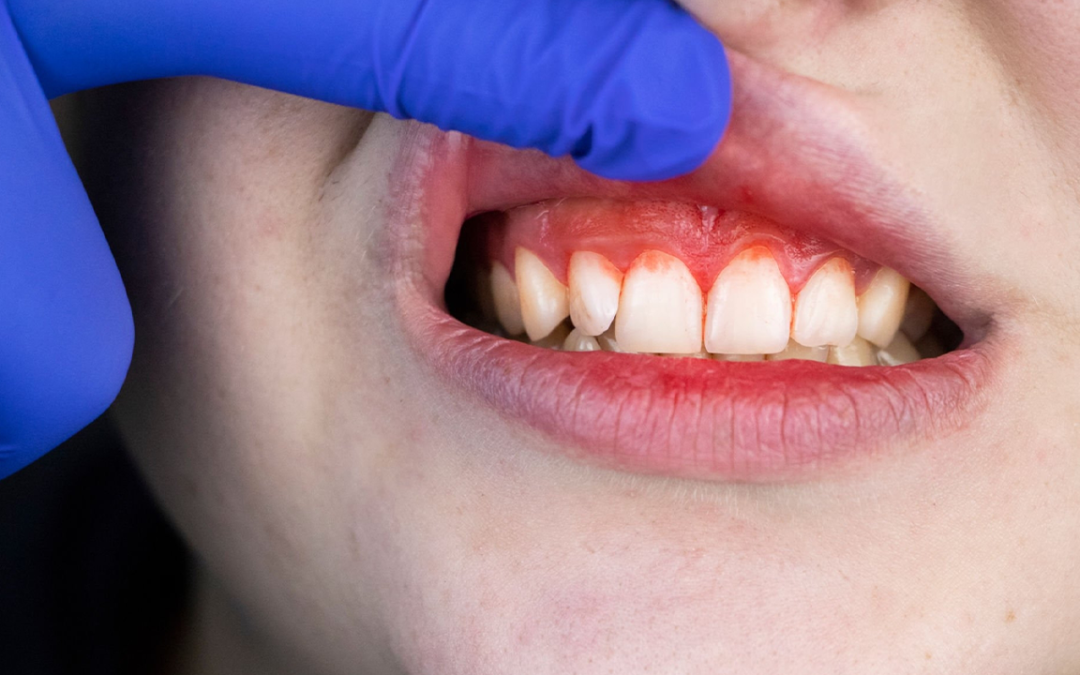
If you notice any of these signs, contact your dentist immediately. Prompt treatment with antibiotics and professional cleaning of the affected area can usually resolve infections before they threaten implant success. Early intervention is particularly crucial, as established infections around implants can progress rapidly due to the unique way bacteria interact with implant surfaces. Unlike natural teeth, implants lack the protective periodontal ligament that helps contain and combat infection around natural tooth roots, making aggressive and timely treatment essential when infection is suspected.
A successfully integrating implant should feel solid and immobile. Any noticeable movement of the implant itself (not the temporary restoration) is concerning and warrants immediate professional evaluation. Causes of implant mobility may include: failure of osseointegration; infection around the implant; premature loading or trauma to the implant; and insufficient bone quality or quantity. Implant stability should increase, not decrease, over time as osseointegration progresses. Initial stability is mechanical, achieved through precise surgical placement, while long-term stability develops through biological integration with surrounding bone. Any regression in stability represents a significant concern that requires expert assessment.
Early intervention for a loose implant can sometimes save the implant or facilitate appropriate retreatment options. Treatment approaches depend on the cause and extent of mobility, ranging from reducing forces on the implant to allow continued healing, antibiotic therapy if infection is present, to removal and replacement of the implant in cases of failed integration. Your implant specialist will evaluate the specific circumstances and recommend the most appropriate course of action based on clinical findings and your individual situation.
While some temporary changes in sensation are normal, certain symptoms require attention: prolonged or worsening numbness beyond the immediate surgical area; electric shock-like sensations; severe, persistent pain that doesn't respond to medication; and significant bite discrepancies when teeth come together. These unusual sensations may indicate nerve irritation or damage, implant placement that impinges on anatomical structures, or developing complications that require professional evaluation. Nerve-related symptoms in particular deserve prompt attention, as earlier intervention may improve the chances of complete resolution in cases of nerve irritation.
Surgical complications can often be successfully managed when identified early, which is why communication with your dental team is essential throughout the recovery process. Most complications, when addressed promptly, can be resolved without compromising the final outcome of your dental implant treatment. The expertise of your dental team in diagnosing and managing potential issues is an important factor in the overall success rate of dental implant therapy. Never hesitate to contact your provider with concerns, as it's always better to evaluate a potential issue that turns out to be normal than to ignore early signs of a developing complication.
Once your dental implant has successfully integrated and the final restoration has been placed, proper maintenance becomes crucial for ensuring its longevity. With appropriate care, dental implants can last for decades or even a lifetime. The long-term success of dental implants depends on both professional maintenance and diligent home care. Unlike natural teeth, dental implants are not susceptible to decay, but they remain vulnerable to peri-implant diseases that affect the supporting tissues. Establishing effective maintenance routines protects both the implant components and the surrounding bone and soft tissue that support them.
Maintaining dental implants requires diligent oral hygiene practices that are similar to, but sometimes more meticulous than, those for natural teeth. Brush at least twice daily using a soft-bristled toothbrush, clean around the implant with special attention, possibly using an angled or interdental brush, floss daily using implant-specific floss or floss threaders, consider using a water flosser or oral irrigator for additional cleaning around implants, and use low-abrasive, non-whitening toothpaste to avoid scratching the implant components. The junction where the implant meets the gum tissue requires particular attention, as this area is most vulnerable to bacterial accumulation and subsequent inflammation. Specialized cleaning tools designed specifically for implant maintenance can access this critical zone more effectively than conventional brushing alone.
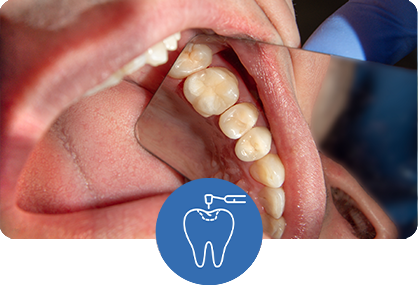
Professional dental care plays a vital role in implant longevity. Schedule regular dental check-ups every 6 months, receive professional cleanings with instruments safe for implants, have periodic radiographs taken to evaluate bone levels around implants, and undergo an annual comprehensive implant evaluation to check for any signs of problems. Professional maintenance allows for the removal of calcified deposits that can't be addressed through home care alone. Additionally, your dental team uses specialized instruments designed to clean implant surfaces without scratching them, as scratches can create areas for bacterial attachment. Regular radiographic assessment provides valuable information about bone levels around implants that can't be determined through clinical examination alone.
During these visits, your dentist will assess the health of the tissues surrounding the implant, the stability of all components, and the overall function of your restoration. Professional evaluations can identify early signs of potential issues before they develop into more serious problems. These might include loose restorative components, early inflammatory changes in the surrounding tissues, or occlusal (bite) issues that place excessive forces on the implant. Addressing these factors promptly helps preserve the health and function of your dental implant for the longest possible time.
Certain lifestyle factors can affect the longevity of your dental implants. Avoid smoking and tobacco use, which significantly increases the risk of implant failure, limit consumption of staining substances like coffee, tea, and red wine, wear a night guard if you have bruxism (teeth grinding), and avoid using your teeth (natural or implant-supported) as tools to open packages or bite hard objects. Tobacco use is particularly detrimental to implant health, as it restricts blood flow to the gum tissues, impairs immune response, and introduces toxins that interfere with normal healing and tissue maintenance. Studies consistently show significantly higher failure rates among smokers compared to non-smokers, making smoking cessation one of the most important factors in ensuring implant longevity.
Proper dental care following implant placement helps ensure your investment lasts as long as possible. The partnership between professional care and diligent home maintenance creates the optimal environment for long-term implant success. With appropriate care, dental implants have demonstrated remarkable longevity in clinical studies, with success rates exceeding 95% over 10 years in many research reports.
The journey to a fully healed and functional dental implant requires patience, diligence, and partnership with your dental care team. The investment of time and attention during the recovery period yields significant dividends in the form of a stable, functional, and aesthetic tooth replacement that can serve you for many years. Understanding the recovery process empowers you to participate actively in your healing journey and recognize the significant milestones along the way.
As you navigate your recovery journey, remember these essential principles: follow all post-operative instructions precisely; maintain excellent oral hygiene while protecting the surgical site; adhere to dietary guidelines, especially during early healing; attend all scheduled follow-up appointments; contact your dental team promptly with any concerns; and be patient with the healing process, which occurs in stages over several months. These fundamental principles support optimal healing and help prevent complications that could compromise your results. The careful attention you devote to recovery in the weeks and months following surgery directly influences the long-term success of your dental implant and the satisfaction you'll experience with your restored smile.
While the recovery process requires dedication, the long-term benefits of dental implants make the journey worthwhile: preservation of jawbone structure and facial aesthetics; natural-looking and feeling replacement teeth; improved ability to eat a varied diet; enhanced speech clarity; increased confidence in your smile; and a potentially lifelong solution for tooth loss. These significant advantages distinguish dental implants from other tooth replacement options and explain why they have become the preferred treatment for many patients and clinicians. The initial investment of time during recovery yields returns in quality of life and oral function that continue for years or decades, making dental implants one of the most valuable and cost-effective dental treatments available.
Throughout your recovery and beyond, your dental team remains your partner in oral health. They're committed to providing personalized care tailored to your specific needs, clear communication about what to expect at each stage, prompt attention to any concerns or complications, ongoing support for maintaining your dental implants, and regular follow-up care to ensure long-term success. This collaborative approach to implant therapy recognizes that successful outcomes depend not only on technical excellence during the surgical procedure but also on comprehensive care throughout the recovery process and beyond.
The journey to a fully integrated dental implant requires time and care, but with proper attention to recovery guidelines and regular professional monitoring, you can look forward to enjoying the benefits of your dental implant for many years to come. Comprehensive dental services are designed to support you not only through the implant process but in maintaining excellent oral health throughout your life. The success of dental implant therapy represents a significant advancement in modern dentistry's ability to restore both function and aesthetics after tooth loss, providing solutions that closely mimic natural teeth and contribute to overall well-being.
If you have questions about dental implant recovery or are considering dental implants as a solution for missing teeth, learn more about dental implant services or schedule a consultation with an experienced dental team. Their commitment to excellence in implant dentistry ensures that you'll receive the highest standard of care throughout your treatment journey, from initial consultation through successful recovery and beyond.

