Healthy enamel and gums start at home, not in the dental chair. Yet up to 30% of American adults still have untreated cavities, which shows how much daily habits matter for long‑term oral health.
| Common Question | Concise Answer |
|---|---|
| 1. What are the most important home habits for strong enamel? | Brush twice daily with fluoride toothpaste, floss once a day, limit sugary snacks, and drink fluoridated water when available. For more on diet support, visit our guide on nutrition for optimal oral health. |
| 2. How can I keep my gums healthy at home? | Clean between teeth daily, brush along the gumline gently, avoid tobacco, and manage plaque buildup to reduce the risk of gum disease. |
| 3. Does what I eat really affect my teeth and gums? | Yes, nutrient‑rich foods support enamel and gum tissue, while frequent sugar and acidic drinks weaken teeth and inflame gums. Our patients often benefit from the recommendations in our soft, tooth‑friendly foods guide. |
| 4. When should I consider professional help instead of home care alone? | If you notice sensitivity, bleeding gums, stains that do not improve, or chips and cracks, professional care is important. For example, stubborn staining may benefit from supervised options like Opalescence Boost whitening. |
| 5. How often should I see a dentist if I have strong home habits? | Most people need a professional checkup and cleaning every six months to protect enamel and gums, even with very good home routines. |
| 6. Can damaged enamel be fixed at home? | You cannot regrow lost enamel, but you can strengthen what remains with fluoride, good hygiene, and smart food choices. Significant damage may need support like crowns or bridges to protect the teeth. |
| 7. Do I really need to clean between every tooth every day? | Yes, daily interdental cleaning is one of the most effective ways to prevent gum disease and cavities between teeth, where your toothbrush cannot reach. |
Our team encourages patients to view twice‑daily brushing as non‑negotiable for both enamel strength and gum health. Brushing removes plaque before it hardens into tartar, which can erode enamel and irritate gums.
Choosing a soft‑bristled brush matters more than many people realize. Stiff bristles or aggressive scrubbing can wear away enamel over time and cause gum recession.
Aim for two full minutes each time you brush. Divide your mouth into quadrants and give each area equal attention, including the gumline and the backs of your teeth.
A pea‑sized amount of fluoride toothpaste supports enamel remineralization. Fluoride helps your teeth resist daily acid attacks from foods and drinks.

Gums stay healthiest when plaque does not sit between teeth. That is why we emphasize daily flossing or the use of interdental brushes as a core home habit.
Flossing helps prevent gingivitis and bleeding by removing bacteria from spaces your toothbrush simply cannot reach. This also protects the enamel on tooth surfaces that face each other.
If traditional floss is uncomfortable, many patients do well with floss picks or small interdental brushes. The key is consistency, not perfection.
For people with bridges or dental work, threaded floss or water flossers can give better access under and around restorations while keeping gums calm and healthy.
| Flossing Option | Good For |
|---|---|
| Waxed or unwaxed string floss | Most adults and teens with normal spacing |
| Floss picks | Patients who struggle to reach back teeth |
| Interdental brushes | Larger spaces, braces, or some gum recession |
| Water flossers | Bridges, implants, or sensitive gums |
Fluoride is one of your strongest allies at home for harder, more decay‑resistant enamel. It helps minerals like calcium and phosphate reattach to areas that have started to weaken.
Drinking fluoridated tap water when it is available is an effortless way to support your teeth all day. Studies show community water fluoridation can cut tooth decay in children and adults by about 25%.
Many toothpastes and some mouthwashes contain fluoride at safe, effective levels. We usually recommend one fluoride source in toothpaste and, for higher‑risk patients, an additional rinse.
If you have a history of frequent cavities or enamel wear, we may recommend prescription‑strength fluoride products during your visit to support your home care routine.
What you eat throughout the day directly affects your enamel and your gums. Frequent sugary snacks and acidic drinks create a constant acid bath that your teeth must fight.
We encourage patients to build meals around whole foods that are rich in calcium, phosphorus, vitamin C, and vitamin D. These nutrients support enamel repair and keep gum tissue resilient.
Limiting free sugars to less than 10 percent of your daily calories, and ideally under 5 percent, reduces cavity risk. This usually means cutting back on sodas, candies, sweetened coffees, and juices.
Snacking patterns matter just as much as total sugar. Fewer, more complete meals are kinder to your teeth than grazing on sweets every hour.
| Tooth-Friendly Choice | Why It Helps |
|---|---|
| Cheese, yogurt, and milk | Provide calcium and phosphorus for enamel repair |
| Leafy greens and almonds | Add minerals without added sugar |
| Crunchy vegetables | Stimulate saliva and help clean the teeth |
| Water and unsweetened tea | Rinse food particles away without feeding bacteria |
Strong enamel depends on balance between mineral loss and mineral gain. Repeated sugar and acid attacks tip that balance toward enamel weakening and tooth decay.
Sipping soda, sports drinks, or sweetened coffee for several hours is especially harmful, even if the total volume is small. Your teeth experience a long window of low pH and active demineralization.
We often suggest keeping sugary or acidic drinks to mealtimes and finishing them within 15 to 20 minutes. Between meals, choose water or plain milk whenever possible.
After an acidic drink, wait about 30 minutes before brushing. This gives enamel time to re‑harden so brushing does not remove the softened outer layer.
Many patients want a brighter smile but worry about harming their enamel. At home, the safest approach is to avoid abrasive scrubs or untested internet remedies like straight lemon juice or charcoal powders.
Whitening toothpastes can help maintain brightness by removing surface stains, but they should feel smooth, not gritty. If your teeth feel sensitive, scale back use and let us know.
Persistent discoloration usually needs professional oversight to treat safely. In our clinics, we may recommend in‑office options such as Opalescence Boost, which uses controlled concentrations of hydrogen peroxide along with ingredients like potassium nitrate and fluoride to support comfort and enamel health.
For patients who want broader improvements in shape and color, we sometimes discuss solutions like no‑prep veneers. These are very thin porcelain shells bonded to the front of teeth with minimal or no enamel removal.
At Oakwood Dental Clinics, we always balance cosmetic goals with the health of your enamel and gums. If you are unsure which whitening approach is safe for you, we are happy to guide you.
Enamel is the hardest tissue in your body, but it can still crack, chip, or thin under repeated force. Nighttime grinding and daytime clenching are among the most common causes of mechanical enamel damage.
If you wake up with sore jaw muscles, headaches, or notice flat or chipped edges on your teeth, you might be grinding. That constant pressure can also strain your gums and supporting bone over time.
Simple home steps like stress management, gentle stretching of the jaw muscles, and avoiding chewing on ice or pens can reduce additional wear. However, many patients benefit from a custom night guard that we design to fit their bite.
When enamel damage is already significant, we sometimes restore strength and appearance with crowns, bridges, or CEREC restorations that protect the remaining tooth.
Our patients are often surprised by how strongly general health habits show up in their gums. Tobacco use, for example, is one of the leading preventable risk factors for gum disease and early tooth loss.
Smoking and vaping both reduce blood flow to gum tissues and make it harder for your body to respond to infection. They also increase staining and dry mouth, which allow more plaque to accumulate.
Many medications and medical conditions reduce saliva flow, especially allergy medications and some treatments for chronic illnesses. Because saliva protects enamel and neutralizes acids, dry mouth significantly increases cavity risk.
At home, you can sip water frequently, use sugar‑free lozenges, and consider a humidifier at night to support moisture. During your visits, we can recommend saliva substitutes or specific products if dryness is affecting your teeth or gums.
Strong enamel and healthy gums can change slowly, so it is important to notice small shifts early. This allows us to address problems while they are still simple to treat.
Common warning signs include lingering sensitivity to hot, cold, or sweets, especially in one area. You might also notice rough spots on teeth, dark or white patches, or tiny chips.
Gum issues often begin with swelling, redness, or bleeding when you brush or floss. Persistent bad breath or a bad taste can signal plaque buildup or infection even if you do not feel pain yet.
If you notice changes that do not improve within a week or two of extra home care, scheduling an evaluation is wise. Our team can pinpoint the cause and help you adjust your daily habits.
You do not need to wait for serious pain to reach out. At Oakwood Dental Clinics, we would rather see you early and keep your enamel and gums healthy with simple, conservative care.
Even the most diligent home routine cannot remove tartar once it has hardened on your teeth. Regular professional cleanings let us gently remove buildup along the gumline before it causes inflammation or bone loss.
During your exam, we evaluate enamel wear, check for hidden decay, and measure gum health. This helps us personalize advice about toothbrush type, flossing tools, fluoride use, and diet.
If we see cosmetic or structural concerns that home care alone cannot correct, we can discuss options. These may include in‑office whitening, no‑prep veneers, crowns, or CEREC restorations, always tailored to protect your oral health.
With eight Oakwood Dental Clinics locations from Staten Island to New Jersey, our patients can maintain a consistent relationship with their dental team close to home. Together, we combine strong home habits with timely professional support.
Strong enamel and healthy gums depend on small choices you repeat every day. Brushing gently with fluoride, cleaning between your teeth, managing sugar and acids, and supporting your body with good nutrition all work together to protect your smile.
Our role at Oakwood Dental Clinics is to partner with you. Through regular checkups, personalized guidance, and, when needed, carefully chosen treatments, we help you build and maintain home habits that keep your teeth and gums healthy for the long term.
Did you know that 71% of U.S. adults visit a dentist each year, yet many still face preventable dental issues because they do not time their visits or habits to match seasonal changes?
| Common Question | Short Answer & Helpful Resource |
|---|---|
| How often should I schedule preventive dental checkups? | Most adults benefit from visits every six months, with timing adjusted seasonally if you are high risk. See what is included in routine care in this overview of routine dental care. |
| Why are regular checkups so important for long-term oral health? | They help us detect cavities, gum disease, and early changes before you feel pain. Learn more in our guide to the importance of dental checkups. |
| What are the core habits for preventive care between seasons? | Consistent brushing, flossing, nutrition, and professional cleanings anchor your seasonal plan. We outline them in 7 essential tips for preventive dental care. |
| Can allergies really affect my teeth and gums? | Yes, allergy medications and mouth breathing can dry your mouth and irritate gums. Our team explains this connection in Seasonal Allergies: Protecting Your Smile Year-Round. |
| How should I care for my teeth in cold winter weather? | Extra focus on hydration, sensitivity, and regular visits makes a difference. Review specific steps in how to take care of your teeth in the winter. |
| Is whitening part of preventive care in summer? | Professional whitening often pairs with summer cleanings and stain prevention strategies. Explore options in how to keep your smile white this summer. |
| What counts as preventive and routine dental services? | Exams, cleanings, X-rays as needed, fluoride, and sealants are core preventive services. We detail these in our preventive dentistry services overview. |
At Oakwood Dental Clinics, we see firsthand how timing preventive visits with the seasons helps patients stay ahead of problems instead of reacting to emergencies.
Each season brings different habits, foods, and environmental changes that affect your mouth, so a year-round, seasonal approach provides steadier protection for your teeth and gums.
Most patients do well with checkups twice a year, but placing them around seasonal shifts can support your overall health, such as pairing a spring cleaning with allergy season or a fall exam with back-to-school routines.
If you have gum disease, a history of cavities, or medical conditions like diabetes, we often recommend more frequent visits, planned strategically across the year.
Routine care typically includes a professional cleaning, a full dental examination, and X-rays when they are clinically necessary to see between teeth and under the gums.
Fluoride applications and sealants are preventive treatments we may add based on your risk level and age to strengthen enamel and protect deep grooves on chewing surfaces.
Spring is an ideal time to schedule a dental checkup, especially if seasonal allergies affect your breathing and oral comfort.
Allergy medications and mouth breathing can cause dry mouth, which reduces saliva protection and increases your risk of cavities and gum irritation.
During a spring visit at Oakwood Dental Clinics, we focus on checking for dry mouth, inflamed gums, and early enamel changes that may have developed over the winter.
We may suggest saliva-support strategies, such as increased water intake, sugar-free gum, or specific mouthrinses if your mouth feels dry frequently.
We encourage gentle brushing twice per day, careful flossing along the gumline, and rinsing with salt water if your throat and gums feel sore from postnasal drip.
If you have allergy-triggered sinus pressure, let us know at your visit, since this can sometimes mimic tooth pain along the upper teeth.

Summer brings cold drinks, acidic beverages, and frequent snacking, all of which can wear down enamel or stain your teeth if not balanced with good care.
A preventive checkup in early or mid-summer helps us remove plaque, discuss stain risks, and plan whitening safely if you are interested.
During a summer appointment, we review your intake of sports drinks, sodas, and citrus beverages since these can soften enamel and contribute to cavities over time.
We often recommend rinsing with water after acidic drinks, limiting added sugars, and using fluoride toothpaste to rebuild mineral content on the tooth surface.
Many patients choose professional whitening in summer, and we always start with a thorough cleaning so stains and plaque do not interfere with results.
Our dentists review whether in-office whitening or supervised at-home trays suit your teeth, sensitivity level, and schedule.

Fall is a natural reset point for families, with school schedules, sports, and upcoming holidays affecting diet and daily habits.
A fall checkup at Oakwood Dental Clinics lets us review any summer-related issues and prepare a preventive plan before rich holiday foods and busier calendars arrive.
We talk with children, teens, and adults about packing tooth-friendly snacks, limiting sticky sweets, and drinking water instead of sugary beverages during school or work hours.
For patients with orthodontic appliances or Invisalign, we reinforce brushing after meals and proper aligner hygiene to avoid plaque buildup.
Many dental benefits reset at the end of the year, so fall visits help you complete preventive services that are often covered before benefits renew.
If we detect issues that may require additional visits, planning in fall gives you time to schedule stepwise care without rushing in December.

Cold air, heated indoor environments, and winter illnesses can stress your teeth and gums in unique ways, so winter checkups are an important part of year-round prevention.
We see more complaints of sensitivity, chapped gums, and changes in brushing habits during the colder months.
We often suggest using a soft-bristled toothbrush, a fluoride toothpaste designed for sensitivity, and lukewarm water to reduce discomfort when brushing.
Because indoor heat dries the air, we encourage sipping water frequently, using a humidifier when possible, and avoiding excess caffeine and alcohol that can worsen dry mouth.
If you have been ill, we recommend replacing your toothbrush once you recover and continuing thorough brushing and flossing even when you do not feel well.
During winter checkups, our team looks for signs of clenching or grinding, which can increase with seasonal stress and contribute to temperature sensitivity.

While the core steps of a preventive dental visit are similar year-round, our dentists tailor each appointment to your current season and individual risk factors.
This personalized approach is part of our philosophy of providing you, our patients, with modern, patient-focused care in every one of our locations.
Every preventive checkup includes a review of your medical and dental history, a comprehensive examination of your teeth and gums, and a professional cleaning to remove plaque and tartar.
When appropriate, we take dental X-rays using low-radiation equipment, which lets us see between teeth and under existing restorations where hidden problems can start.
We ask about any recent changes in your medications, allergies, diet, and lifestyle, since these often shift with the seasons and can change your oral health needs.
If you notice bleeding gums, tooth sensitivity, or changes in your bite, letting us know at your visit helps us address issues early.

While seasonal checkups anchor your preventive plan, what you do at home each day has the greatest long-term impact on your teeth and gums.
We view daily care and professional visits as a partnership, where our role is to guide, support, and intervene early when something changes.
We recommend brushing at least twice a day with fluoride toothpaste for two minutes, cleaning between teeth daily with floss or interdental brushes, and brushing your tongue gently.
For some patients, we also prescribe an antimicrobial mouthrinse to reduce bacteria and support gum health.
Bleeding, swelling, or tenderness in your gums are not normal and often indicate inflammation or early gum disease that deserves attention.
If you notice bleeding when brushing or flossing, staying consistent with gentle hygiene and scheduling a checkup with us are important next steps.
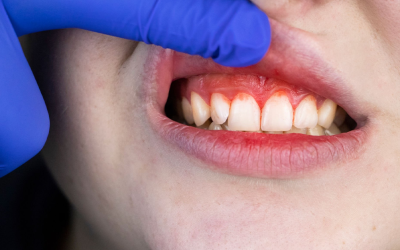

As we age, preventive care becomes even more important, particularly for patients with dental implants or complex restorations.
Our highly trained team is experienced in helping seniors and implant patients protect their investment through seasonally informed checkups and cleanings.
Implants do not get cavities, but the surrounding gums and bone can be affected by plaque and inflammation, especially if dry mouth or medications change with the seasons.
We recommend regular professional cleanings around implants, careful home care with soft brushes and floss or specialty tools, and timely evaluations if you notice bleeding or soreness.
For seniors who have recently received implants, we provide guidance on soft, nutrient-rich foods that support healing in the first days and weeks after surgery.
Over time, seasonal nutrition patterns, such as holiday meals or summer barbecues, can affect implant maintenance, so we discuss practical adjustments at each checkup.
Patients who have completed Invisalign or invested in cosmetic treatments such as veneers and whitening benefit from tailored seasonal preventive care as well.
Our dentists help you maintain your smile year-round by protecting both function and appearance at each seasonal checkup.
After Invisalign treatment, retainers play a central role in keeping teeth stable, and seasonal checkups allow us to monitor fit and wear.
We discuss how travel, sports seasons, and holidays can disrupt retainer routines and help you plan simple strategies to stay on track.
For veneers, bonding, and whitening, we review which foods and drinks are more likely to stain or chip restorations, especially during summer and holiday seasons.
We may recommend custom nightguards if you clench or grind, regular touch-up whitening as appropriate, and consistently scheduled cleanings to maintain smooth, clean surfaces.

Your experience with preventive care depends greatly on the relationship you have with your dental team and how accessible that care is throughout the year.
At Oakwood Dental Clinics, our dedicated and highly trained dental surgeons and staff focus on making preventive visits comfortable, informative, and convenient.
A strong preventive partner offers comprehensive examinations, modern diagnostic tools, and clear explanations of your options in a welcoming environment.
You should feel comfortable asking questions, discussing seasonal challenges, and planning care that fits your schedule and health needs.
From Staten Island to New Jersey, you receive the same welcome in each of our locations, and our teams regularly undergo continual professional development to keep preventive care current.
Whether you visit us in spring, summer, fall, or winter, our philosophy provides a welcome of care from the moment you step through our door.
Seasonal tips for preventive dental checkups are about more than timing your appointments, they are about understanding how spring allergies, summer habits, fall routines, and winter conditions each affect your mouth.
By combining consistent daily care with thoughtfully scheduled checkups at Oakwood Dental Clinics throughout the year, you give yourself reliable protection, early detection, and a confident smile in every season.
Many patients are surprised to learn that in recent studies, at-home whitening has actually shown a greater immediate color change than in-office whitening in some tests, even though it takes much longer to complete. With so many whitening choices available, it can be difficult to know whether a quick in-office visit or a gradual at-home routine is the right fit for your smile, your schedule, and your sensitivity level. At Oakwood Dental Clinics, we believe that when you understand the differences clearly, you can make a confident, comfortable choice.
| Question | Short Answer |
|---|---|
| Is in-office whitening faster than at-home? | Yes. In-office whitening at Oakwood Dental Clinics usually takes about 60–90 minutes, while at-home whitening requires repeated use over days or weeks. |
| Which gives better long-term whitening? | Evidence shows combined in-office and at-home whitening can keep teeth whiter for up to two years compared to in-office alone. Learn more options in our professional whitening overview. |
| Is sensitivity worse with in-office whitening? | Overall risk is similar, but studies show at-home bleaching can cause lower intensity sensitivity. We tailor strength and protocols to protect your comfort; see our overview of whitening benefits and safety in this article. |
| Are results the same between methods? | Umbrella reviews indicate no meaningful difference in shade change between in-office and at-home methods when protocols are followed correctly. |
| What if I want more than whitening? | If whitening alone cannot address discoloration or shape issues, we may recommend other cosmetic options offered in our cosmetic dentistry services, such as veneers or crowns. |
| How do I keep my smile white after treatment? | Good home care, limiting staining foods and drinks, and periodic touch-ups are essential. See our seasonal guide, How to Keep Your Smile White This Summer, for practical tips. |
In-office whitening is a professional procedure performed entirely in the dental chair under our supervision. At Oakwood Dental Clinics, the full visit usually takes around 60 to 90 minutes, making it a convenient option for patients who want to brighten their smile in a single appointment.
We apply a high-concentration whitening gel to your teeth, protect your gums, and monitor every step to ensure safety and comfort. Our clinicians may use photo-activated or chemically activated systems depending on your needs and existing restorations.
The whitening gel’s active ingredient—most commonly a hydrogen peroxide-based formula—penetrates the enamel and breaks apart the molecules that cause stains. Because we can safely use higher concentrations in the office, you see a more noticeable change in a much shorter timeframe compared to over-the-counter products.
During the visit, we may reapply the gel in several short cycles to reach your desired shade while closely watching for sensitivity. This controlled protocol helps us achieve significant whitening while respecting the limits of your teeth and gums.
At-home whitening covers a wide range of options, from custom trays we make for you in our office to over-the-counter strips and pens. The most effective at-home approach is typically dentist-supervised custom tray whitening, where we take impressions and fabricate trays tailored to your teeth.
These trays hold a lower-concentration whitening gel against the teeth for a set period each day, usually for one to two weeks or longer. Because the concentration is lower than in-office gel, the process is slower but can still be highly effective when used consistently.
Custom tray whitening allows us to individualize the strength of the whitening gel and the wear time for each patient. This is especially helpful if you have a history of sensitivity or have restorations such as crowns or bonding in visible areas.
We provide detailed instructions on how to load the gel, how long to wear the trays, and how to manage any minor sensitivity that may arise. This combination of personalization and guidance sets professional at-home whitening apart from store-bought kits.

Many patients assume that in-office whitening always delivers a whiter final result, but research paints a more nuanced picture. When outcome is measured by certain color-change metrics, at-home whitening can sometimes achieve equal or even greater immediate whitening than in-office treatment, especially when used diligently over time.
At the same time, a large umbrella review of multiple clinical trials reports no meaningful difference in shade change when comparing in-office and at-home methods overall. In practical terms, both approaches are capable of brightening your teeth several shades when properly selected and supervised.
| Aspect | In-Office Whitening | At-Home Whitening (Custom Trays) |
|---|---|---|
| Typical shade change | Several shades in one visit | Comparable shade change over days or weeks |
| Speed of result | Immediate | Gradual |
| Predictability | High, under direct supervision | High, with good compliance |
Ultimately, the “whitest” outcome is not just about the method, but about choosing the right protocol for your teeth, stains, and lifestyle. That is why we carefully evaluate every smile before recommending a specific path.
Tooth sensitivity is one of the most common concerns we hear from patients considering whitening. The American Dental Association notes that temporary tooth sensitivity and mild gum irritation are common with all whitening methods, especially in the first 24 hours after treatment.
Interestingly, research shows that while the overall risk of sensitivity (whether you feel it at all) is similar between in-office and at-home whitening, the intensity of sensitivity is often lower with at-home bleaching. Lower-concentration gels and shorter daily wear times can make at-home care more comfortable for some people.
With careful planning and professional supervision, most patients tolerate whitening very well. We always encourage you to share any sensitivity issues so we can modify the approach if needed.
If you are preparing for a special occasion, timing is often the deciding factor between in-office and at-home whitening. In-office whitening provides noticeable results in a single visit, which is ideal when you are short on time.
At-home whitening, by comparison, requires much more total exposure time. Some studies estimate that at-home systems need 14 to 280 times longer total treatment duration than in-office methods to achieve comparable or slightly greater whitening.
When we discuss your goals at Oakwood Dental Clinics, we look at your event timeline, daily routine, and oral health to design a schedule that works for you.
Evidence increasingly supports what we see in our own patients: a combined approach—starting with an in-office session and following with at-home trays—often provides the most stable, long-lasting whitening. Clinical trials show that long-term color stability can be better with combined protocols than with in-office whitening alone, with results holding up for as long as two years in some studies.
In many cases, we recommend an in-office visit to create an immediate change, then provide take-home trays for refinements and periodic touch-ups. This helps you maintain a bright smile without needing repeated intensive in-office sessions.
This flexible model allows you to benefit from the speed of in-office care and the fine-tuning of at-home whitening, all under one coordinated plan.
Whitening works very well for most natural tooth discoloration caused by age, coffee, tea, or smoking. However, there are situations where whitening alone may not provide the outcome you want, such as intrinsic stains, old fillings, or enamel defects on front teeth.
In these cases, we sometimes recommend combining whitening with other cosmetic treatments available at Oakwood Dental Clinics, including no-prep veneers, crowns, or CEREC restorations. We usually whiten first, then match any new restorations to your brighter shade.
Thoughtful sequencing ensures that all parts of your smile—natural teeth and restorations—work together harmoniously.

Whether you choose in-office, at-home, or a combination, maintenance is the key to keeping your smile bright. Stains will gradually return if you frequently consume coffee, tea, red wine, or tobacco without a maintenance routine.
We typically recommend good daily oral hygiene, regular cleanings, and occasional touch-up whitening using either in-office visits or at-home trays. Our team provides personalized guidance based on your habits and the initial whitening method you use.
Maintaining whitening results requires ongoing attention, including healthy oral hygiene routines and smart dietary choices. Our team is here to guide you at every step.
Most healthy adults with natural teeth are candidates for whitening, but not every method suits every patient. During your visit, we examine your teeth and gums, review your medical and dental history, and discuss your expectations before recommending a specific approach.
Certain conditions—such as untreated cavities, gum disease, cracks, extensive restorations, or very thin enamel—may require treatment or a modified whitening protocol. Our goal is always to enhance your smile while keeping your teeth and gums healthy.
| Scenario | Often Recommended |
|---|---|
| Need quick results for a special event | In-office or combined protocol |
| Mild-to-moderate staining; flexible timeline | At-home trays or combined protocol |
| High sensitivity history | Gentle at-home regimen with adjusted gel strength |
| Multiple visible restorations | Customized plan integrating whitening and restorative work |
If whitening is not advisable or cannot achieve the change you want, we will outline alternative cosmetic solutions so you still have a clear path forward.
Because both in-office and at-home whitening can achieve similar overall shade changes, the “right” choice often comes down to your priorities: speed, comfort, convenience, and long-term maintenance. Our team is here to help you weigh these factors in a straightforward way.
At Oakwood Dental Clinics, we offer:
We marry art with science, using proven whitening protocols and modern materials while keeping your comfort at the center of every decision.
When you compare in-office and at-home whitening, it becomes clear that both can provide meaningful, safe improvements in tooth color when performed under professional guidance. In-office whitening offers rapid, supervised results in a single visit, while at-home whitening—especially with custom trays—delivers flexible, gradual whitening with often lower sensitivity intensity.
Many patients gain the greatest benefit from a combined approach, using an in-office session for immediate change and at-home trays for fine-tuning and maintenance. At Oakwood Dental Clinics, our empathetic team will listen to your goals, evaluate your oral health, and recommend a whitening plan that fits your lifestyle and keeps your comfort in focus. If you are considering whitening, we welcome you to schedule a visit so we can explore the safest, most effective option for your smile together.
Many people want a noticeably brighter smile quickly, yet only about 10% of whitening users choose professional in-office care, even though in-office whitening is the most common cosmetic dental procedure among adults who see a dentist for aesthetic improvements. At Oakwood Dental Clinics, we see first-hand how confusing it can be to compare in-office whitening options, light-activated systems, and dentist-supervised trays. This guide walks you through the main professional in-office whitening choices, how they work, and how to decide what fits your teeth, your timeline, and your sensitivity level.
| Question | Short Answer (and Helpful Links) |
|---|---|
| 1. What is professional in-office whitening? | It is a dentist-delivered whitening procedure performed in the dental chair using high-concentration gels and professional tissue protection for rapid results. Learn more about our protocol on our in-office teeth whitening service page. |
| 2. How do in-office options compare to other whitening methods? | In-office whitening is typically faster and more noticeable than take-home trays or store-bought products. For an overview of options, see top professional whitening options. |
| 3. What is Opalescence Boost? | It is a chemically activated, professional-grade in-office whitening gel (40% hydrogen peroxide) that does not require a light. We explain how it works in detail in our Opalescence Boost guide. |
| 4. Who is a good candidate for in-office whitening? | Adults and older teens with healthy teeth and gums and extrinsic staining usually qualify. You can review candidacy guidelines in our professional whitening overview. |
| 5. How can I maintain whitening results? | Good home care, professional cleanings, and sometimes take-home whitening trays help preserve results. For seasonal tips, visit how to keep your smile white this summer. |
| 6. Is whitening safe for my enamel? | Professional whitening is generally safe when supervised and tailored to your needs. We discuss comfort, enamel, and health benefits in the benefits of teeth whitening. |
| 7. Can I whiten before a big event? | Yes. We often schedule in-office whitening for weddings and graduations. See our event-focused guides for wedding whitening and graduation photos. |
In-office whitening at Oakwood Dental Clinics is a clinical procedure carried out entirely in the dental chair. Our team applies strong, professionally formulated whitening gels to your teeth while protecting your gums, lips, and soft tissues with barriers and careful isolation.
A typical session includes a short evaluation, shade measurement, gel application in one or more cycles, and a final shade comparison. We control exposure time and gel concentration based on your existing shade, staining type, and sensitivity history, which helps us pursue both effectiveness and comfort.
We also discuss whether you may benefit from combining in-office whitening with custom take-home trays for longer-term maintenance. Our goal is always to match the technique to your goals and lifestyle rather than forcing a single protocol for everyone.
Patients often ask us how in-office whitening stacks up against custom trays and over-the-counter (OTC) products. The main differences involve speed, control, supervision, and how much change you can reasonably expect per session.
Here is a simplified comparison, based on current evidence and our clinical experience:
| Option | Where It’s Done | Typical Speed of Results | Level of Professional Control |
|---|---|---|---|
| In-Office Whitening | Dental clinic | Fast (often in 1–2 visits) | Very high – dentist adjusts protocol in real time |
| Custom Take-Home Trays | Home, with dentist-made trays | Moderate (days to a few weeks) | High – dentist designs trays and prescription gel |
| OTC Products | Home, unsupervised | Slow and variable | Low – standard fit and concentration |
In many cases, we use a combination strategy: a carefully controlled in-office session to achieve a visible “jump” in shade, followed by periodic touch-ups with dentist-supervised trays. That combination can help maintain results with less frequent in-office visits.
Opalescence Boost is a professional-grade in-office whitening system many patients ask about by name. It uses a 40% hydrogen peroxide gel that is chemically activated, which means it does not require a laser or light to work. Our dentists mix the gel fresh before each application so the active ingredients are at full strength during your treatment.
We apply the gel directly to your teeth in controlled increments, keeping it away from your gums and soft tissues. The formula also includes ingredients such as potassium nitrate and fluoride, which are designed to support enamel and help manage sensitivity.
Because Boost is light-free, our focus is on gel placement, isolation, and timing rather than equipment. This can simplify the appointment and avoid the warmth and dryness some patients experience under lights.
Opalescence Boost is often a good option if you want strong whitening power but are concerned about sensitivity and enamel health. Our dentists can also pair Boost with a customized desensitizing protocol before and after treatment, depending on your history.
Laser and LED-activated whitening systems use high-concentration peroxide gels similar to other in-office options, but they also incorporate a special light source. The light is aimed at your teeth to interact with components in the gel, with the goal of accelerating the whitening reaction.
In practice, these systems can provide quick shade changes within the same visit. However, research increasingly shows that the whitening effect primarily comes from the gel itself, with the light often playing more of a supporting role than an essential one.

At Oakwood Dental Clinics, our first step is to assess the type and depth of staining. For some patients, especially those with limited time who want a noticeable improvement before an event, a light-activated system may fit their needs and expectations.
We also consider sensitivity, because certain light-accelerated protocols can dry the teeth more quickly and potentially increase temporary sensitivity. Your dentist will review these trade-offs with you so you can make an informed choice.
Zoom-style in-office whitening has become well-known because it can produce a visible change in a single visit, which is appealing if you have engagement photos, a wedding, or another major event coming up. Our “Bright White Wedding” contest, for example, offered Zoom Whitening to help the winning couple achieve a photo-ready smile ahead of their big day.
These systems typically combine a strong whitening gel with a specialized light. Sessions are often divided into several short cycles during one appointment, with shade checks in between to track your change.
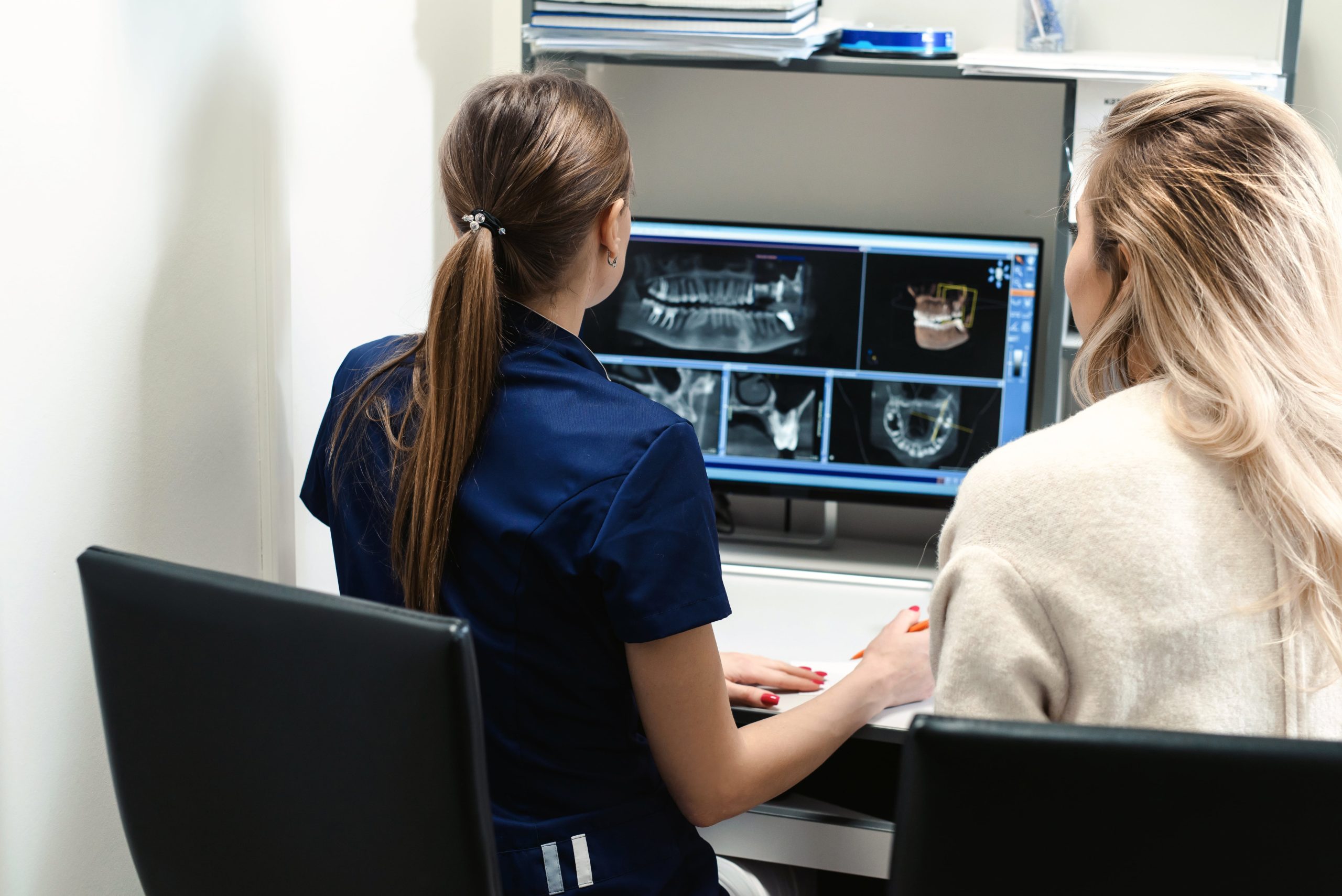
For key life moments like weddings and graduations, we usually recommend scheduling in-office whitening at least 1–2 weeks before the event. This timing gives any temporary sensitivity a chance to settle and allows us to assess whether you would like a minor touch-up with take-home trays.
If you have more time before the event, combining an initial in-office session with supervised at-home touch-ups can help you reach and maintain your ideal shade while minimizing the need for last-minute changes.
Most healthy adults and many older teens with fully developed permanent teeth can be candidates for in-office whitening. The ideal candidate has:
We always conduct a thorough exam to identify any areas of decay, gum disease, or enamel cracks before whitening. Treating these issues first makes the whitening procedure safer and more comfortable.

Some situations call for a different approach or additional planning:
In these cases, we may suggest options such as no-prep veneers or carefully planned crown and bridge work instead of, or in addition to, whitening.
Any whitening procedure, especially those using higher-concentration gels, interacts with your enamel surface. While professional whitening is considered safe when properly supervised, it is not risk-free. Sensitivity during or after treatment is common, particularly with stronger in-office systems.
We take steps to protect enamel and manage sensitivity, including using desensitizing agents, adjusting exposure times, and spacing treatments appropriately. Your comfort and long-term tooth health are central to how we design each whitening plan.
If you already know you have sensitive teeth, we encourage you to tell us during your consultation. We may:
This collaborative planning helps many patients enjoy effective whitening while keeping sensitivity manageable.
While this article focuses on in-office care, custom trays are an important professional option that often complements chairside whitening. We take impressions or digital scans of your teeth and fabricate snug-fitting trays. You then receive prescription-strength whitening gel with clear instructions for how long and how often to wear the trays.
Because the trays fit closely to your teeth, they help the gel stay where it is needed and off your gums, which is an advantage over generic strips or trays. We can also select gel strengths based on your sensitivity level.
Custom trays are helpful if you:
For many of our patients, in-office whitening provides the initial boost, and custom trays become the long-term maintenance tool, especially before busy seasons like summer.
A professional cleaning is often the first step before in-office whitening. Removing plaque and tartar allows whitening gels to contact the enamel evenly and reduces the risk of patchy results. Our hygienists also polish away many surface stains, which can improve how effectively the whitening gel works.
If you have not had a cleaning in some time, we may recommend scheduling one before or on the same day as your whitening, depending on your oral health needs. Clean, healthy teeth respond more predictably to any whitening system.
Your habits before and after whitening influence how long your results last. Frequent consumption of coffee, tea, red wine, or tobacco can cause stains to reappear more quickly. We review these factors with you and help you prioritize which habits to adjust if you want your whitening to last as long as possible.
If you smoke, we will also discuss how smoking affects your gums, your enamel, and your whitening outcome. Even small changes—such as rinsing with water after dark drinks—can make a noticeable difference in stain control over time.
After in-office whitening, enamel is temporarily more susceptible to picking up pigments. For the first 24–48 hours, we usually advise a “whiter” or lighter-colored diet, avoiding items like coffee, dark sauces, and red wine when possible. Good brushing and flossing habits become even more important during this time.
Over the long term, using a non-abrasive toothpaste, drinking plenty of water, and limiting highly pigmented foods and drinks can help protect your investment in professional whitening. Regular checkups also give us a chance to monitor color changes and recommend touch-ups when appropriate.
Many patients like to “refresh” their smile every year or two, especially before photo-heavy seasons or life events. Depending on how your teeth respond and your lifestyle, we may recommend:
For some people, whitening is a one-time project; for others, it becomes part of a broader cosmetic plan that might also include orthodontics with Invisalign or new restorations. We tailor the approach to your goals, timeline, and oral health status.
Professional in-office whitening offers fast, noticeable improvements under the supervision of trained clinicians, using high-concentration gels, careful tissue protection, and individualized protocols. From light-free systems like Opalescence Boost to light-activated and event-focused options such as Zoom-style whitening, there are multiple pathways to a brighter smile, each with its own balance of speed, sensitivity, and maintenance needs.
At Oakwood Dental Clinics, we take time to evaluate your oral health, staining pattern, and expectations before recommending in-office whitening, custom take-home trays, or a combination of both. If you are considering professional whitening, we invite you to talk with our team about your goals so we can help you choose the most appropriate clinical option for your smile and comfort.
Fluoride is one of the simplest, most researched ways to protect teeth, yet many families are unsure how it fits into care for babies, children, adults, and seniors. Fluoride varnish alone can reduce cavities by up to 37% in baby teeth and 43% in permanent teeth, which makes it a powerful ally for lifelong oral health. At Oakwood Dental Clinics, we use fluoride thoughtfully as part of a complete, patient-focused approach for every age and stage.
| Question | Answer |
|---|---|
| 1. What are the main benefits of fluoride treatments? | Fluoride strengthens enamel, makes teeth more resistant to decay, and helps prevent cavities for children, adults, and seniors when combined with routine care such as professional teeth cleaning. |
| 2. How often should my family receive fluoride at the dentist? | Many patients benefit from fluoride varnish every 3–6 months as part of routine dental care; we adjust frequency based on age and cavity risk. |
| 3. Are fluoride treatments safe for young children? | Yes. In pediatric visits, we use age-appropriate doses and forms of fluoride, paired with gentle guidance from our pediatric dentistry team. |
| 4. Do adults still need fluoride? | Adults benefit from fluoride to prevent new cavities, support areas around fillings, and protect exposed roots. We often combine it with preventive advice like the tips in our preventive dental care guide. |
| 5. How does home fluoride care fit with in-office treatments? | Daily brushing with fluoride toothpaste and flossing, supported by age-appropriate products from our family dental care products guide, enhances the protection you receive in the chair. |
| 6. Can fluoride help preserve dental work? | Yes. Fluoride supports natural tooth structure around fillings, crowns, and other restorations so they last longer and stay healthier. |
Fluoride is a naturally occurring mineral that strengthens tooth enamel and helps it resist the acids produced by plaque and sugars. When fluoride is present around your teeth, it can even help rebuild very early areas of weakened enamel before they turn into full cavities.
At Oakwood Dental Clinics, we primarily use professionally applied fluoride varnishes and gels, along with guidance on fluoride toothpaste and rinses at home. These treatments deliver a higher, controlled dose of fluoride directly where it is needed, which is especially helpful for patients who have a history of frequent cavities.
Fluoride is a central part of our routine dental care appointments. During checkups and cleanings, we may recommend a professional fluoride application based on your exam findings and cavity risk. This is a quick, comfortable step that usually follows your cleaning.
We offer topical fluoride in several forms, such as varnish painted onto the teeth, or gels and foams used with trays. These professional applications contain more concentrated fluoride than over-the-counter products, providing stronger, longer-lasting protection between visits.
Children’s teeth are especially vulnerable to decay, so fluoride plays a key role in pediatric care. As teeth develop and erupt, fluoride helps them become harder and more resistant to the bacteria and sugars that cause cavities. This is particularly important on the chewing surfaces of molars, where food tends to collect.
Our pediatric team combines professional fluoride varnish with guidance on daily home habits and nutrition. By starting early—often by the first birthday—we can build strong enamel and reduce the need for fillings and more complex treatment later in childhood and adolescence.
Many adults are surprised to learn that fluoride is just as important for them as it is for children. Everyday life—acidic foods and drinks, stress-related grinding, medications that cause dry mouth—can wear down enamel and increase the risk of cavities at any age.
We recommend professional fluoride for adults with a history of decay, multiple fillings, orthodontic appliances, or gum recession. Fluoride helps protect exposed root surfaces, supports teeth around existing fillings, and reduces sensitivity, especially after cleanings and whitening treatments.
As we age, our dental needs change, and fluoride continues to play an important role. Gum recession, chronic conditions, and medications can expose root surfaces and reduce saliva, making seniors more prone to root cavities and decay around existing dental work.
For older adults, we may suggest more frequent professional fluoride treatments, prescription-strength fluoride toothpaste, or targeted varnish on high-risk areas. This helps protect teeth and existing restorations, so patients can maintain comfort and function for eating, speaking, and smiling.
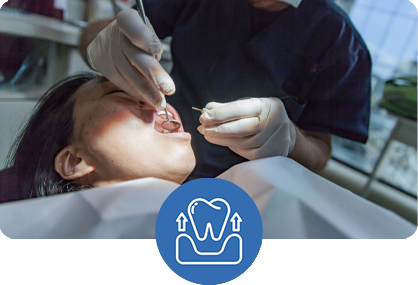
Fluoride is most effective when combined with professional cleanings and exams. During a cleaning, we remove plaque and tartar that harbor bacteria, then apply fluoride to clean enamel so it can bond and protect more effectively. This coordinated approach reduces the chance that small problems turn into emergencies.
We also use preventive visits to discuss daily brushing, flossing, and product choices. Our team helps you select appropriate fluoride toothpastes and other home-care tools, so the protection you receive in the chair continues every day between appointments.

Fluoride is one part of a broader preventive plan designed around each patient’s needs. For children and some adults, we often recommend pit and fissure sealants on the grooves of back teeth, where fluoride and toothbrush bristles may not reach as easily. Sealants and fluoride work together to block decay on these vulnerable surfaces.
We also emphasize education and lifestyle guidance. Addressing sugar intake, snacking habits, oral hygiene techniques, and issues like teeth grinding helps fluoride work more effectively, reducing the chance that patients will need fillings, crowns, or extractions later on.
Patients often ask how fluoride fits with whitening and other cosmetic care. While whitening addresses the color of your teeth, fluoride supports their strength and health, both before and after cosmetic treatment. We commonly recommend fluoride to reduce post-whitening sensitivity and to protect enamel as you enjoy a brighter smile.
During cosmetic consultations, we examine your teeth and gums to ensure they are healthy enough for whitening or other aesthetic procedures. When needed, we include fluoride as part of the preparation and maintenance plan, so cosmetic improvements rest on a solid, healthy foundation.
Understandably, many parents and adult patients have questions about fluoride safety. In the doses we use in-office and in recommended home products, fluoride is considered safe and effective by major health organizations. Our role is to tailor your exposure so you receive the benefits without exceeding what your body needs.
We consider your age, drinking water source, existing dental conditions, and medical history before recommending fluoride treatments. For children, we carefully control the amount used and provide instructions on toothbrushing to limit swallowing, ensuring that fluoride remains a positive, protective part of their oral health routine.
Every patient has a unique cavity risk profile, and we design fluoride plans to match. During your visit, we review your current oral health, past dental history, diet, home care routine, and any special factors such as braces, dry mouth, or medical conditions. This helps us recommend the right frequency and type of fluoride treatment for you.
For some, this may mean fluoride varnish at every six‑month checkup; for others with higher risk, more frequent applications or prescription products may be appropriate. Our goal is to work with you to keep your teeth strong, comfortable, and healthy at every age, using fluoride as a reliable, evidence-based tool within a comprehensive care plan.
Fluoride treatments offer meaningful benefits for patients of every age—from strengthening developing teeth in children to protecting roots and restorations in adults and seniors. When paired with regular cleanings, checkups, and thoughtful home care, fluoride significantly lowers the risk of cavities and supports long-term oral health.
At Oakwood Dental Clinics, we approach fluoride as part of a complete, patient-centered preventive strategy. By tailoring treatment to your needs and those of your family, we help you enjoy healthier smiles with less need for major dental work in the future.
Between school drop-offs, commuting, and late dinners, it can be hard for families to keep up with consistent brushing and flossing. Yet 34% of parents say their child does not regularly brush twice a day, even though this is the most basic recommendation for cavity prevention. At Oakwood Dental Clinics, we see every day how small, realistic routines can make a big difference for busy families, and we design our guidance with your real schedule in mind—not an ideal one.
| Question | Short Answer |
|---|---|
| 1. What is a realistic oral hygiene routine for a busy family? | Aim for twice-daily brushing, once-daily flossing, and regular checkups every six months, supported by simple habits like shared family brushing time and set “brush-before-bed” rules. Our overview of what is considered routine dental care explains how these basics protect long-term health. |
| 2. How often should children and adults get professional cleanings? | Most families do well with dental cleanings and exams every six months. Learn more about regular appointments in our page on routine dental care. |
| 3. Are fast morning routines enough to prevent cavities? | Quick brushing helps, but rushed habits often miss plaque and leave food between teeth. Our guide to better health with proper oral hygiene outlines what a complete routine looks like—even on busy days. |
| 4. How important are regular checkups if we take good care at home? | Checkups detect early decay, gum disease, and other concerns that home care alone can miss. We explain the benefits in detail in the importance of dental checkups. |
| 5. What products are most useful for family oral care? | Age-appropriate toothbrushes, fluoride toothpaste, floss, and sometimes interdental cleaners or mouthwash. Our article on essential dental care products for family smiles covers what each age group needs. |
| 6. How can we prevent problems like bleeding gums with a hectic schedule? | Gentle brushing, daily flossing, and timely appointments are key. If gums bleed, our practical guide on what to do if your gums are bleeding explains when home care is enough and when to seek professional help. |
| 7. Can we keep teeth white without complicated routines? | Yes—consistent brushing, smart food and drink choices, and periodic professional care help. For families considering cosmetic options, see our guide on how to keep your smile white. |
Oral health is part of overall health, not a separate concern to fit in “if there’s time.” When routines slip—especially in children—plaque, cavities, and gum problems can develop long before you notice any pain. At Oakwood Dental Clinics, we see that families with even simple, consistent routines tend to have fewer emergencies and less need for complex restorative care.
Routine dental care does not need to be complicated or time-consuming. It is built on a few key pillars: daily home care, smart nutrition, and regular professional visits. Our overview of routine dental care emphasizes that with prevention, many future problems are avoidable and treatment is more comfortable and predictable. The goal is not perfection; it is consistency that realistically fits your lifestyle.
For most busy households, a practical target is:
According to national survey data, only 20% of children perform 4–6 key hygiene practices (brushing, flossing, tongue cleaning, rinsing, etc.) on most days. We help families prioritize the steps that offer the greatest benefit for the time invested. Our team often suggests pairing brushing and flossing with existing routines—such as bath time for young children or screen time limits for teens—to make them easier to remember.
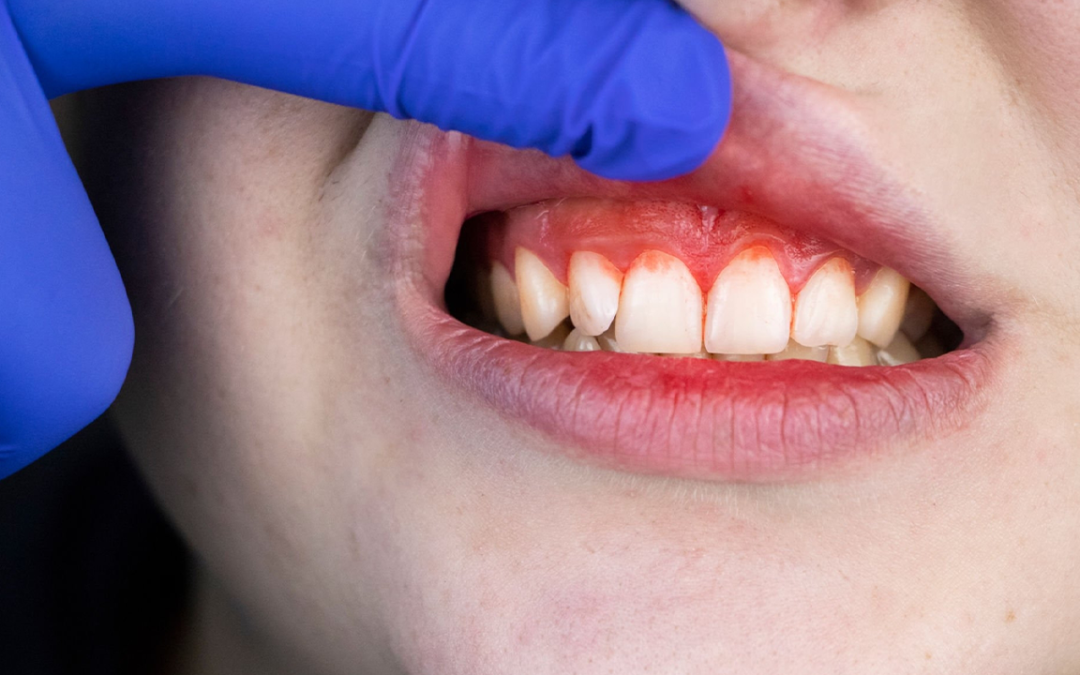
When mornings are rushed, we encourage families to focus on efficiency instead of skipping care. Keep toothbrushes, flossers, and toothpaste accessible and organized for everyone. Consider a shared caddy or drawer so that children can brush in the kitchen or near where they eat breakfast, reducing extra trips back and forth.
Evening routines tend to be more flexible and are often the best time to complete the more detailed steps. A simple pattern such as “pajamas, brush and floss, then one story or ten minutes of device time” can help children follow through. For adults, setting a calendar reminder or linking brushing to a consistent event (such as preparing school lunches) can reduce the chance of falling asleep before cleaning teeth.
A family routine works best when it respects different ages and needs. For infants and toddlers, the goal is gentle cleaning and habit-building: wiping gums with a soft cloth, then using a small, soft-bristled brush with a smear of fluoride toothpaste once the first teeth appear. Parents should perform or closely supervise all care at this stage.
Children and pre-teens usually need a pea-sized amount of fluoride toothpaste and hands-on help until they can tie their shoes independently—a rough sign of adequate dexterity. Teens benefit from reminders that appearance and breath are directly affected by oral care, and may also need tailored advice if they have braces or aligners. Adults should maintain twice-daily brushing and daily flossing while paying close attention to any signs of gum irritation or sensitivity.
Oral hygiene habits are more likely to stick when they are anchored to routines you already follow. Research shows that regular bedtimes are linked to lower cavity risk and better self-rated oral health
Shared meals also play a role. Families who eat dinner together more often tend to have lower caries risk, possibly because parents can better monitor what children eat and remind them to drink water or brush afterward. We often recommend choosing one “family hygiene checkpoint” each day—such as after dinner—when everyone, including adults, takes care of their teeth together.
With limited time, using the right products can make each minute of care more effective. We typically recommend:
Our guide to essential dental care products for family smiles outlines which tools work well at different life stages, including infants, children, teens, and adults. When in doubt, we are happy to review your family’s current products during a checkup and suggest small adjustments that can improve results without adding more time.
Even with excellent home routines, professional care is essential. Biannual dental checkups and cleanings allow us to remove hardened tartar, monitor development in children, and detect concerns such as cavities or gum disease early—often before they cause discomfort. Most insurance plans are structured around this schedule because it is so effective at preventing larger problems.
We understand that scheduling can be difficult for working parents and active children. At Oakwood Dental Clinics, we offer routine teeth cleaning and checkup appointments that are planned to be efficient and comfortable, focusing on preventive care while respecting your time. Many families find it helpful to book the next visit before leaving the office so it is on the calendar well in advance.
Busy routines sometimes lead families to overlook early warning signs. Bleeding gums during brushing or flossing often indicate inflammation from plaque buildup and can usually be improved with more consistent, gentle cleaning. Our article on what to do if your gums bleed outlines four simple steps families can take at home, as well as situations when professional evaluation is needed.
Bad breath in children and adults can result from not brushing the tongue, skipping flossing, or going to bed without cleaning teeth. Sensitivity to hot or cold drinks may signal enamel wear, recession, or early decay. If these concerns stay constant or worsen, we strongly recommend a prompt checkup so that we can address the cause early with minimally invasive options.
Daily choices outside the bathroom also affect your family’s oral health. Frequent sipping on juice, sweetened coffee, or sports drinks throughout the day keeps teeth bathed in sugar and acid. We advise limiting sugary drinks to mealtimes, encouraging water between meals, and choosing tooth-friendly snacks such as cheese, nuts (when age-appropriate), and crunchy vegetables.
Screen time is another factor. Research finds that higher screen use is associated with increased cavity risk and poorer self-rated oral health, likely due to more snacking and delayed bedtimes. Clear household rules—such as no devices at the table and shutting screens off 30–60 minutes before bed—can support both general health and a consistent nightly brushing routine.
Many busy adults and teens are interested in whitening but hesitate because they worry it will require complicated routines. For surface staining from coffee, tea, berries, or sauces, consistent brushing and flossing are the first line of defense. Our tips on how to keep your smile white emphasize simple strategies, such as rinsing with water after dark beverages and avoiding long-term sipping.
When deeper discoloration is present or you want a more noticeable change, professional in-office teeth whitening can often be completed in a single visit. At Oakwood Dental Clinics, we carefully evaluate your teeth and gums first to ensure whitening is appropriate and comfortable, and we provide guidance on maintaining results with everyday routines at home.
Healthy family smiles do not require perfect schedules or elaborate routines. They depend on a few consistent habits—twice-daily brushing, daily flossing, thoughtful food and drink choices, and regular professional care—adapted to the realities of your household. Even in very busy lifestyles, small changes such as shared brushing time, predictable bedtimes, and pre-booked checkups can have a meaningful impact.
At Oakwood Dental Clinics, we partner with families to create oral hygiene routines that are practical, age-appropriate, and sustainable. If you would like personalized guidance for your family’s schedule, or if it has been more than six months since your last visit, we welcome you to contact us so we can help you plan the next steps toward healthier, more confident smiles for every member of your household.
Endodontic treatment has changed a lot in recent years, moving from old-fashioned procedures to high-tech approaches. Modern endodontic technology has changed how dentists diagnose, plan, and perform root canal treatments, making them more efficient, comfortable, and successful. Endodontics focuses on treating the dental pulp and tissues around tooth roots. With new technology, dentists can now save natural teeth that might otherwise need to be pulled out, keeping your bite aligned and letting you chew normally while getting rid of pain and stopping infections from spreading.
This article explores the big benefits that modern endodontic technology brings to dental care, from better diagnosis to improved treatment results. We'll look at how these advances help both dentists and patients, making root canal therapy easier and more comfortable for everyone. The use of cutting-edge technologies has changed what was once a feared dental procedure into a reliable, efficient treatment with success rates over 95% in many practices. These innovations not only save natural teeth but also improve patients' overall oral health and quality of life by avoiding extraction and replacement with artificial teeth.
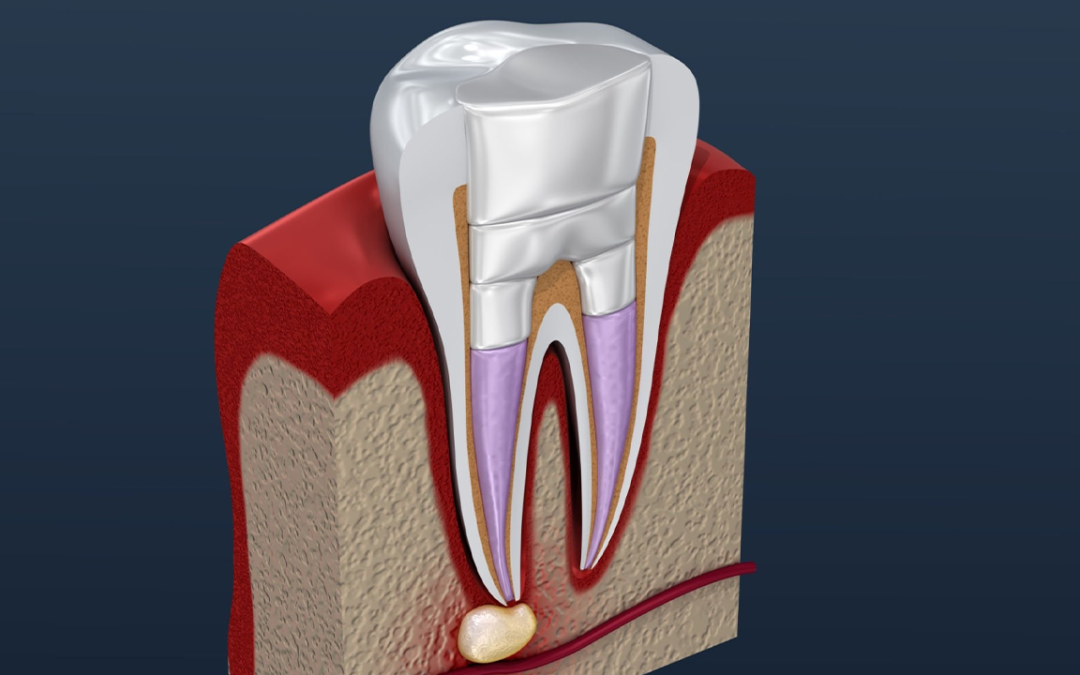
Good endodontic treatment starts with accurate diagnosis. Modern imaging technologies have changed our ability to see dental structures with amazing clarity and precision. These advanced systems help dental professionals find problems that might have been missed with traditional X-rays, greatly improving treatment planning and results for all types of endodontic cases, from simple to complex.
CBCT scanning is a big step forward in dental imaging. Unlike old 2D X-rays, CBCT creates detailed three-dimensional images of teeth, soft tissues, nerve pathways, and bone. This complete visualization helps dentists:
Digital radiography has replaced traditional film-based X-rays in modern endodontic practices. This technology offers many advantages:
Significantly reduced radiation exposure compared to conventional X-rays, with dose reductions of 50-80% while maintaining diagnostic quality. It provides instant image acquisition without chemical processing, saving appointment time and improving workflow efficiency. There's enhanced image quality with tools for contrast adjustment and magnification, allowing for detection of small pathologies like early periapical lesions. Digital radiography also offers easy storage and retrieval for monitoring treatment progress and communicating with referring dentists. It's environmentally friendly by eliminating chemical waste and reducing the carbon footprint of dental practices. Plus, digital enhancement features allow for measurement, annotation, and side-by-side comparison of images over time.
One of the biggest advances in modern dentistry is CEREC technology, which has changed the restoration phase of endodontic treatment. After a root canal procedure, teeth often need crowns or other restorations to protect them from breaking and ensure long-term success. CEREC technology has revolutionized this important final step by allowing immediate, definitive restoration of endodontically treated teeth, eliminating the vulnerable temporary phase that historically led to many treatment failures.
CEREC technology allows dental professionals to design, make, and place ceramic restorations in a single appointment. This offers several benefits for endodontic patients:
It eliminates the need for temporary crowns, which can leak and potentially recontaminate the root canal system, reducing the risk of bacterial reinfection by up to 87%. CEREC reduces the number of appointments, saving time for busy patients and decreasing the overall treatment period by 2-3 weeks. It provides immediate protection for endodontically treated teeth, significantly reducing the risk of fracture during the vulnerable post-treatment period. The technology creates highly accurate restorations that fit precisely, with marginal gaps averaging only 25-40 microns compared to 100+ microns with traditional techniques. It offers superior aesthetics with metal-free, tooth-colored materials that closely mimic natural tooth appearance and translucency. CEREC also enables conservative preparation designs that preserve more healthy tooth structure, particularly important for endodontically treated teeth.
The operating microscope has revolutionized endodontic practice by providing unprecedented visualization of the complex root canal system. This technology has transformed what was once a procedure performed largely by feel into a precise, visually guided treatment. The introduction of surgical microscopes into endodontics represents one of the most significant advances in the specialty, enabling practitioners to address anatomical complexities that were previously unmanageable and substantially improving treatment outcomes across all types of cases.
Endodontic microscopes offer magnification ranging from 3x to 30x, allowing endodontists to:
Locate and treat all canal systems, including accessory canals that might otherwise be missed, increasing the detection of MB2 canals in maxillary molars by up to 62%. Identify tiny fractures that could compromise treatment success, enabling early intervention or appropriate case selection. Remove all infected tissue with greater precision, improving cleaning of the canal system by up to 35% compared to non-microscope techniques. Preserve healthy tooth structure through conservative access preparation, maintaining structural integrity of the treated tooth. Perform microsurgical procedures with enhanced accuracy, improving success rates of apicoectomies from 60% to over 90% in many studies. Visualize calcified canals that might otherwise require excessive dentin removal or risk perforation.

Traditional hand files for cleaning and shaping root canals have been largely replaced by advanced rotary and reciprocating systems. These motorized instruments, typically made of nickel-titanium alloys, offer amazing flexibility and cutting efficiency. The development of these systems over the past twenty years has dramatically transformed the mechanical aspects of root canal treatment, making procedures faster, more predictable, and less technique-sensitive while preserving the natural canal anatomy more effectively than ever before.
Modern rotary instrumentation systems provide numerous benefits. They offer more consistent and predictable canal shaping with standardized tapers and diameters, reducing operator variability by up to 68%. Treatment time is reduced, enhancing patient comfort by decreasing appointment duration by 30-50% compared to hand instrumentation. These systems are better at maintaining original canal anatomy, particularly in curved canals where transportation is reduced by up to 74%. There's decreased risk of procedural errors such as ledging, transportation, or perforation, with complication rates reduced from 10-15% to 2-5%. Cleaning efficiency is improved, especially in curved canals where debris removal is enhanced by the mechanical action of rotary motion. Operator fatigue is reduced, allowing for more focused treatment and the ability to manage multiple cases with consistent quality. Patient comfort is enhanced due to smoother, more efficient instrumentation with less apical extrusion of debris.
Successful endodontic treatment depends not only on mechanical cleaning but also on effective disinfection of the root canal system. Modern endodontic technology has introduced advanced irrigation systems that significantly improve the elimination of bacteria and debris from complex canal anatomies. These innovations address one of the most challenging aspects of endodontic therapy: achieving thorough disinfection of areas inaccessible to mechanical instrumentation, which can harbor bacteria and lead to persistent or recurrent infections if not properly addressed.
Ultrasonic activation represents a major advancement in irrigation techniques. It creates acoustic streaming and cavitation effects that improve irrigant penetration by up to 200% compared to conventional needle irrigation. It enhances removal of debris from canal irregularities and isthmuses, reaching areas that make up to 35% of the canal system volume. This technology improves the effectiveness of antimicrobial solutions by activating them at frequencies that enhance their chemical properties. It facilitates removal of smear layer for better sealer adaptation, improving the hermetic seal by up to 45%. Ultrasonic activation also activates irrigants in areas inaccessible to mechanical instrumentation, such as lateral canals and apical deltas. It generates heat that enhances the dissolving capability of sodium hypochlorite, increasing its tissue dissolution capacity by up to 100%.
After thorough cleaning and shaping, the root canal system must be completely sealed to prevent reinfection. Modern obturation (filling) techniques have evolved from traditional methods to provide more consistent, three-dimensional sealing of the entire canal system. These advanced systems address the limitations of conventional obturation methods, which often failed to adequately seal complex anatomical variations like lateral canals, isthmuses, and apical deltas that can harbor residual bacteria and lead to treatment failure.
Thermoplasticized gutta-percha systems heat gutta-percha to create flowable material that adapts to canal irregularities. They provide better adaptation to canal walls and anatomical variations, with studies showing up to 95% filling of lateral canals compared to 35% with cold lateral condensation. These systems offer more complete filling of lateral canals and isthmuses, areas that make up to 30% of the canal system in posterior teeth. They improve sealing of the apical foramen, reducing microleakage by up to 60% compared to traditional techniques. The risk of voids or gaps in the filling material is reduced, with void volume decreased by up to 75% in comparative studies. These systems create a more homogeneous mass of filling material that provides better long-term stability, and they decrease procedural time compared to traditional lateral condensation techniques.
The integration of digital technologies has transformed treatment planning and execution in endodontics. Computer-guided approaches enhance precision and predictability, particularly in challenging cases. These technologies represent the cutting edge of endodontic innovation, allowing practitioners to visualize, plan, and execute treatments with unprecedented accuracy and minimal invasiveness. Digital workflows have become especially valuable for managing complex cases that previously carried high risks of procedural errors, such as teeth with calcified canals, unusual anatomy, or previous unsuccessful treatment attempts.
Modern software allows for detailed planning before the actual procedure. It integrates CBCT data for three-dimensional treatment planning, enabling visualization of the entire tooth in relation to surrounding structures. Virtual simulation of access preparation and canal location reduces the risk of missed canals by up to 62% in complex cases. The software helps identify anatomical challenges before treatment begins, allowing for appropriate case selection and preparation. It enables precise measurement of canal length and curvature, with accuracy to within 0.1mm compared to traditional methods. Digital planning also allows for minimally invasive access designs that preserve critical pericervical dentin, maintaining structural integrity. It provides preoperative assessment of pulp chamber and canal calcification patterns, particularly valuable in traumatized teeth. And it allows evaluation of root proximity to vital structures for safer instrumentation parameters.
Modern endodontic technology has significantly improved the patient experience, addressing the anxiety and discomfort traditionally associated with root canal treatment. These advancements have transformed the procedure into a comfortable and often painless experience. The focus on patient-centered care has been a driving force behind many technological innovations, recognizing that patient comfort not only improves the immediate experience but also contributes to better treatment outcomes and increased willingness to seek necessary care rather than delaying treatment due to fear.
Modern anesthesia delivery systems enhance patient comfort. Computer-controlled anesthetic delivery provides more comfortable injections, with studies showing pain reduction of up to 40% compared to traditional syringe delivery. Single-tooth anesthesia techniques offer precise numbness without affecting surrounding tissues, particularly beneficial for anterior teeth. Buffered anesthetic solutions reduce injection discomfort by neutralizing acidic pH, decreasing initial injection pain by up to 50%. Vibration devices distract from injection sensations, utilizing gate control theory to reduce perceived pain. Articaine formulations provide more profound pulpal anesthesia, particularly in mandibular molars with irreversible pulpitis. Supplemental techniques like intraosseous anesthesia for cases resistant to conventional blocks increase success rates from 55% to over 90%.
The evolution of endodontic technology has transformed root canal treatment from a procedure often approached with fear to a sophisticated, comfortable, and highly successful therapy. These technological advancements provide many benefits to both patients and dentists, fundamentally changing endodontic care and saving countless teeth that might otherwise have been pulled. The integration of digital workflows, enhanced visualization, and advanced materials has raised the standard of care to unprecedented levels, making endodontic treatment more predictable, efficient, and patient-friendly than ever before.
Modern endodontic technology offers significant advantages. It provides enhanced diagnostic capabilities through advanced imaging, allowing for detection of pathologies with 95% greater accuracy than conventional radiography. Treatment precision is improved with microscope-enhanced visualization, increasing success rates in complex cases from 70% to over 90%. There's greater efficiency with rotary instrumentation and digital workflows, reducing treatment time by up to 50% while improving outcomes. Better disinfection is achieved through advanced irrigation technologies, achieving bacterial load reductions of up to 99.9% compared to 90% with conventional methods. More complete obturation with 3D filling systems reduces microleakage by up to 60% and virtually eliminates retreatment due to inadequate fills. Patient comfort is increased and treatment time reduced, transforming the patient experience and eliminating the negative stigma of root canal therapy. Higher success rates and better long-term outcomes are achieved, with modern techniques achieving 5-year success rates of 95% compared to 80-85% historically. And there's seamless integration with other dental specialties, creating comprehensive treatment approaches that address both endodontic and restorative needs.
If you've been told you need a root canal, you might feel anxious about potential pain during and after the procedure. The good news is that modern dentistry has made tremendous advances in pain management techniques for endodontic procedures. Today's root canal treatments are far more comfortable than their reputation suggests, with many patients comparing the experience to receiving a routine filling. Advanced anesthetics, precision instruments, and improved techniques have transformed what was once a dreaded procedure into a relatively comfortable experience with predictable outcomes. In this comprehensive guide, we'll explore the various options available to manage discomfort throughout the root canal process, from pre-treatment preparation to post-procedure recovery. Understanding these pain management strategies can help alleviate anxiety and ensure a more positive dental experience.
Root canal therapy, also known as endodontic treatment, is a dental procedure designed to save a tooth that has become infected or severely damaged. When the soft inner tissue of a tooth (the pulp) becomes infected due to deep decay, repeated dental procedures, cracks, or trauma, a root canal becomes necessary to prevent the spread of infection and save the natural tooth. This specialized procedure addresses problems affecting the tooth's nerve and blood vessels, which are housed within small, narrow passageways (canals) that extend from the central pulp chamber to the tip of the tooth's roots.
During the procedure, the infected or damaged pulp is carefully removed, and the inside of the root canal is cleaned, shaped, and disinfected. The endodontist uses specialized instruments to access and thoroughly clean these microscopic spaces, removing all traces of bacteria and infected tissue. The space is then filled with a biocompatible material called gutta-percha and sealed to prevent reinfection. In most cases, a crown is later placed on the tooth to protect it and restore full function. This final restoration is crucial as it protects the treated tooth from fracturing and restores its ability to withstand normal chewing forces.
Many people associate root canals with pain, but the reality is that the procedure is performed to relieve pain caused by infection or inflammation, not create it. With proper specialist dental care, most patients experience little to no discomfort during the procedure and are surprised by how straightforward the process actually is. Modern endodontic techniques, including digital imaging, operating microscopes, and specialized instruments, have dramatically improved the precision and comfort of root canal therapy. Statistics show that root canals have a success rate of approximately 95%, making them an excellent option for saving natural teeth that might otherwise require extraction.
Understanding the sources of root canal pain helps patients recognize when they might need treatment and what to expect during recovery. The primary cause of pain before a root canal is infection and inflammation of the dental pulp. When bacteria invade the pulp chamber through deep cavities, cracks, or leaky fillings, they cause the pulp tissue to become inflamed and infected. This inflammation creates pressure within the confined space of the tooth, leading to significant pain that may radiate to the jaw, face, or other teeth. The immune system's response to bacterial invasion further intensifies this inflammation, causing increased blood flow to the area and additional pressure on the nerve endings within the pulp.
Nerve damage is another common source of pain. The dental pulp contains nerves that, when damaged or irritated, send pain signals to the brain. This damage can result from trauma, extensive decay, or even the pressure from a growing infection. The nerves within the dental pulp are particularly sensitive to both pressure and inflammatory chemicals released during infection, which explains why pulpal inflammation can cause such intense discomfort. In some cases, the pain you experience may not be coming directly from the affected tooth. This referred pain can make it difficult to identify which tooth is actually causing the problem, which is why professional diagnosis by an experienced endodontist is crucial before proceeding with any treatment.
After a root canal procedure, some temporary sensitivity or discomfort is normal as the tissues around the tooth heal. This is typically mild and can be managed with appropriate pain management strategies. It's important to remember that this post-treatment discomfort is part of the healing process and usually subsides within a few days. The source of this discomfort is often inflammation of the periodontal ligament that surrounds the tooth root, rather than the tooth itself, since the nerve has been removed during treatment. Occasionally, patients may experience what feels like pressure or a dull ache as the body's inflammatory response continues during the healing phase. This is a normal part of recovery and typically resolves as inflammation subsides.
Managing pain before your root canal procedure can help ensure a more comfortable experience. If you're experiencing pain while waiting for your appointment, there are several strategies that can help provide relief. Over-the-counter pain medications such as ibuprofen (Advil, Motrin) or acetaminophen (Tylenol) can help reduce pain and inflammation. For many patients, a combination of ibuprofen (600mg) and acetaminophen (500mg) taken every 6 hours can provide effective relief without the need for prescription medications. This combination approach targets pain through different mechanisms simultaneously, offering more comprehensive pain control than either medication alone.
Avoiding hot and cold foods and beverages can also help minimize pain, as temperature extremes can trigger sensitivity in an infected tooth. Sticking to soft, room-temperature foods puts less pressure on the affected tooth and can reduce discomfort. Dental researchers have found that thermal stimuli can cause rapid fluid movement within the dentinal tubules, which directly stimulates nerve fibers and causes pain in compromised teeth. Some patients find relief by applying a cold compress to the outside of their cheek near the painful tooth. This can help reduce inflammation and temporarily numb the area. Apply the compress for 20 minutes, then remove it for 20 minutes, repeating as needed. The cold temperature constricts blood vessels, which reduces blood flow to the area and helps minimize swelling and pain.
If your pain is severe, contact your general dentist or endodontist right away. They may be able to prescribe stronger pain medication or antibiotics if an infection is present. In cases of acute infection, antibiotics may be necessary to control bacterial spread before the root canal procedure can be performed safely and comfortably. Remember that these measures provide temporary relief – the root canal procedure itself is necessary to address the underlying cause of your pain and prevent further complications. Many dental practices now offer emergency appointments specifically for patients experiencing severe dental pain, as prompt intervention can significantly improve comfort and treatment outcomes.
One of the most common concerns patients have about root canal therapy is pain during the procedure. Modern dentistry has made significant advancements in pain management, making root canals much more comfortable than they once were. The primary method of pain control during root canal treatment is local anesthesia. Before beginning the procedure, your dentist will carefully administer anesthetic to numb the tooth and surrounding tissues completely. Many patients report feeling pressure during the procedure but no pain. Today's anesthetics are more potent and longer-lasting than earlier formulations, and dentists often use computer-controlled delivery systems that provide more comfortable and effective numbing.
For patients with dental anxiety or those undergoing complex procedures, various sedation options are available. Nitrous oxide (laughing gas) provides mild sedation that helps you relax while remaining conscious. This safe, effective gas is administered through a comfortable nose mask and wears off quickly after treatment. Oral sedation involves taking medication before your appointment to induce a deeper state of relaxation. This approach is ideal for patients with moderate anxiety and allows you to remain awake but deeply relaxed during treatment. For maximum comfort, IV sedation puts you in a deeply relaxed state while maintaining consciousness. Your dental professional will discuss which option is most appropriate for your specific needs and medical history.
Our practice utilizes state-of-the-art equipment and techniques to make your root canal treatment as efficient and comfortable as possible. Digital imaging allows for precise treatment planning, while rotary instruments help complete the procedure more quickly and with less discomfort than traditional hand files. Operating microscopes provide enhanced visualization of the tiny root canal spaces, allowing for more thorough cleaning and less trauma to surrounding tissues. Throughout the procedure, your dentist will check in regularly to ensure you're comfortable and provide additional anesthesia if needed. Many endodontists also employ techniques like buffered anesthetics (which are less painful to administer) and supplemental injection techniques to ensure profound anesthesia even in difficult-to-numb situations, such as teeth with acute infections.
After your root canal procedure, some discomfort is normal as the area heals. This typically subsides within a few days and can be managed with various strategies. For most patients, over-the-counter pain relievers are sufficient to manage post-treatment discomfort. Ibuprofen (Advil, Motrin) reduces inflammation and pain, while acetaminophen (Tylenol) provides pain relief without anti-inflammatory effects. Naproxen (Aleve) offers longer-lasting pain relief. Our dental team will provide specific recommendations based on your medical history and the complexity of your procedure. Clinical studies have shown that taking pain medication preemptively (before pain develops) and on a regular schedule for the first 24-48 hours is more effective than waiting until discomfort becomes severe.
Applying a cold compress to the outside of your face near the treated area can help reduce swelling and numb the area. Apply the compress for 20 minutes, then remove it for 20 minutes, repeating as needed during the first 24 hours after treatment. This approach helps constrict blood vessels and limit inflammatory mediators to the area, reducing both swelling and discomfort. Beginning 24 hours after your procedure, gentle saltwater rinses can help keep the area clean and promote healing. Mix half a teaspoon of salt in 8 ounces of warm water and rinse carefully. The saltwater solution creates an osmotic gradient that draws out fluid from inflamed tissues while providing a mild antimicrobial effect.
While your mouth is healing, it's best to stick to soft foods that require minimal chewing. Our dental surgery recovery guide offers excellent suggestions for post-procedure nutrition. Avoid extremely hot, cold, or spicy foods that might irritate the treated area. Getting adequate rest with your head slightly elevated can help reduce swelling and discomfort. Try to avoid strenuous activities for at least 24 hours after your procedure. Research indicates that elevated heart rate and blood pressure from exercise can increase post-operative discomfort by increasing blood flow to inflamed tissues. Most patients find that discomfort peaks within the first 24-48 hours after treatment and then gradually subsides. By following these recommendations and maintaining good oral hygiene (while being gentle around the treated tooth), you can support faster healing and minimize discomfort.
While some discomfort after a root canal is normal, certain symptoms may indicate a problem that requires professional attention. Contact your dentist immediately if you experience severe pain that doesn't respond to prescribed medications, significant swelling that worsens after 2-3 days, or an allergic reaction to medications. These symptoms could indicate a persistent infection or an adverse reaction that requires prompt intervention. You should also seek care if you notice the return of symptoms that were present before the root canal, loss of the temporary filling or crown, visible swelling inside or outside the mouth, or fever, which may indicate infection. Endodontic research shows that approximately 3-6% of root canal treatments may require additional intervention, so it's important to report concerning symptoms promptly.
It's important to remember that most patients experience a gradual reduction in discomfort over the first few days following treatment. By the third or fourth day, pain should be minimal or absent. If your pain is increasing rather than decreasing, or if it suddenly returns after a period of improvement, these could be signs that something isn't healing properly. Persistent bite sensitivity that doesn't improve after a week may indicate that the tooth restoration needs adjustment. Our dental surgery specialists are available to address any concerns that arise during your recovery. Many practices now offer virtual consultations for post-operative questions, allowing you to discuss concerns without necessarily coming into the office.
Regular follow-up appointments are essential to monitor healing and ensure the success of your root canal treatment. If your tooth was fitted with a temporary filling, you'll need to return for a permanent restoration, typically a crown, to protect the tooth long-term. These appointments are an important part of the treatment process and help ensure the long-term success of your root canal therapy. Research has shown that teeth that receive proper final restorations after root canal treatment have significantly higher long-term survival rates than those left with temporary fillings. During these follow-up visits, your dentist will evaluate how the tooth is healing, check for any signs of persistent infection, and ensure that your bite is properly adjusted to prevent excessive pressure on the treated tooth.
Various medications can help manage pain before, during, and after root canal treatment. Understanding your options can help you make informed decisions about pain management. Non-steroidal anti-inflammatory drugs (NSAIDs) like ibuprofen (Advil, Motrin) and naproxen (Aleve) are often the first choice for dental pain because they reduce both pain and inflammation. Research has shown that ibuprofen in doses of 400-600mg is particularly effective for dental pain, with 600mg providing better relief in the first 30 minutes. NSAIDs work by inhibiting the production of prostaglandins, which are key mediators in the inflammatory process and pain signaling. This dual action makes them especially valuable for dental pain, which is often inflammatory in nature.
Acetaminophen (Tylenol) is another effective option, especially for patients who cannot take NSAIDs due to medical conditions or medication interactions. While it doesn't reduce inflammation, it does provide pain relief through different mechanisms. Many dentists recommend alternating between ibuprofen and acetaminophen for more comprehensive pain control. For example, taking 600mg of ibuprofen, then 500mg of acetaminophen three hours later, and continuing to alternate can provide more consistent relief than either medication alone. A landmark study in the Journal of the American Dental Association found that this alternating approach provided superior pain relief compared to opioid medications for dental pain, with fewer side effects.
For more severe pain, your dentist may prescribe stronger medications. These might include prescription-strength NSAIDs or, in some cases, opioid medications for short-term use. However, with proper management of inflammation through NSAIDs and the use of local anesthetics during the procedure, most patients find that over-the-counter medications are sufficient for managing post-root canal discomfort. Always follow your dentist's recommendations regarding medication dosage and timing, and be sure to inform them of any medications you're currently taking to avoid potential interactions. After your dental crown placement, similar pain management approaches may be recommended. It's worth noting that the dental profession has moved toward more conservative use of opioid medications in recent years due to concerns about dependency and side effects, with research supporting the superior efficacy of properly dosed non-opioid alternatives for most dental pain.
In addition to conventional medications, several natural remedies can complement your pain management strategy after a root canal. While these shouldn't replace professional dental care or prescribed medications, they may provide additional relief for some patients. Saltwater rinses are one of the most effective natural remedies for post-root canal discomfort. Mixing half a teaspoon of salt in 8 ounces of warm water creates a solution that can help reduce inflammation, clean the area, and promote healing. Begin these rinses 24 hours after your procedure, gently swishing the solution around your mouth before spitting it out. The hypertonic saline solution works through osmosis to draw out fluid from swollen tissues while creating an environment less hospitable to bacteria.
Clove oil contains eugenol, a natural compound with anesthetic and anti-inflammatory properties. Applying a small amount to a cotton ball and gently placing it near (but not directly on) the affected area may provide temporary numbing relief. Eugenol has been used in dentistry for generations and is actually a component in some dental materials due to its therapeutic properties. Cold compresses applied to the outside of the face can help reduce swelling and temporarily numb the area. Apply for 20 minutes, then remove for 20 minutes, repeating as needed. Some patients also find relief through gentle jaw exercises that help reduce tension and promote blood flow to the area. Simple exercises like slowly opening and closing your mouth or gently moving your jaw from side to side can help prevent stiffness that sometimes develops after keeping your mouth open during dental procedures.
Maintaining proper hydration and nutrition is also important for healing. Drinking plenty of water helps support overall health and can help manage inflammation. Foods rich in anti-inflammatory compounds, such as those containing omega-3 fatty acids (like fatty fish), turmeric, and ginger, may help reduce inflammation throughout the body. However, remember to stick to soft foods that don't require much chewing while you're recovering from your dental treatment. Always consult with your dentist before trying natural remedies to ensure they won't interfere with your treatment or prescribed medications. While natural approaches can be beneficial complementary strategies, they should be viewed as supplements to, rather than replacements for, conventional care. Research in integrative dentistry suggests that a combined approach often provides the best outcomes for patients seeking both effective pain management and minimal medication use.
While most patients experience only short-term discomfort after a root canal, a small percentage (approximately 5%) may develop persistent pain lasting six months or longer. Understanding the potential causes and management strategies for long-term pain is important. If you're experiencing persistent pain after a root canal, it's essential to consult with your dentist or endodontist. The pain could be due to several factors, including missed canals during the initial treatment, root fractures, infection that wasn't completely eliminated, or issues with the restoration (filling or crown). Research in endodontic microsurgery has revealed that human teeth often have complex anatomical variations, with some teeth containing accessory canals that may be difficult to detect and treat without specialized equipment.
For some patients, the pain may not be related to the tooth itself but could be due to other conditions such as temporomandibular joint (TMJ) disorders, referred pain from other teeth, or neuropathic pain. Accurate diagnosis is crucial for effective management. This may involve additional imaging such as cone-beam computed tomography (CBCT) scans, which provide detailed 3D images of the tooth and surrounding structures. Your dentist may refer you to an endodontic specialist for evaluation if the cause of the pain isn't immediately apparent. Endodontists receive an additional 2-3 years of specialized training beyond dental school and have expertise in diagnosing and treating complex cases of dental pain, particularly those involving previously treated teeth.
Treatment options for persistent pain may include retreatment of the root canal, surgical procedures such as apicoectomy (removal of the root tip and surrounding infected tissue), or in some cases, extraction of the tooth and replacement with an implant or bridge. For neuropathic pain, medications that target nerve pain, such as certain antidepressants or anticonvulsants, may be prescribed. Some patients also benefit from alternative approaches such as acupuncture or cognitive behavioral therapy to help manage chronic pain. Remember that persistent pain is relatively uncommon, and most root canal treatments are successful in eliminating pain and saving the natural tooth. A comprehensive study published in the Journal of Endodontics found that even teeth with complex problems and previous failed treatments had a success rate of over 80% when retreated by specialists using modern techniques and equipment. This underscores the importance of seeking specialized care when dealing with persistent pain after endodontic treatment.
Understanding root canal pain management options is essential for anyone facing this common dental procedure. While root canals have long had a reputation for being painful, modern techniques and pain management strategies have made the process much more comfortable than in years past. With proper care before, during, and after treatment, most patients experience minimal discomfort while preserving their natural teeth. The comprehensive approach to pain management, from pre-operative medications to advanced anesthetic techniques and post-operative care, ensures that patients can undergo this tooth-saving procedure with confidence and comfort.
Effective pain management begins before your procedure, with over-the-counter medications and home remedies to address acute symptoms. During the root canal, local anesthesia ensures you remain comfortable, with sedation options available for those with dental anxiety. After treatment, a combination of medications, cold compresses, and dietary modifications can help manage any temporary discomfort as your tooth heals. This multi-faceted approach addresses pain at every stage, significantly improving the patient experience and treatment outcomes.
Remember that communication with your dental team is key to a positive experience. Don't hesitate to discuss your concerns about pain and ask questions about the pain management options available to you. Your dentist wants you to be comfortable and will work with you to develop a personalized approach to managing discomfort at every stage of treatment.
If you're experiencing tooth pain or have questions about root canal therapy, we encourage you to contact our endodontic specialists for a consultation. Early intervention is key to preserving your natural teeth and maintaining your oral health for years to come. With the right approach to pain management, you can approach your root canal treatment with confidence, knowing that relief from your dental pain is just around the corner.
Endodontic treatment is a branch of dentistry focused on diagnosing and treating conditions affecting the dental pulp—the soft tissue inside your tooth containing nerves, blood vessels, and connective tissue. When this pulp gets infected or inflamed due to deep decay, repeated dental procedures, fractures, or injuries, endodontic treatment becomes necessary to relieve pain and save your natural tooth. Without proper treatment, these infections can get worse, causing severe pain, abscess formation, and eventually tooth loss.
At Oakwood Dental Clinics, we believe in saving your natural teeth whenever possible. The field of endodontics has changed a lot over the years, with advanced techniques and technologies making treatments more effective and comfortable. Our endodontic specialists use cutting-edge equipment like digital imaging, operating microscopes, and ultrasonic tools to provide precise diagnoses and treatments that save teeth while keeping you comfortable.
The main goal of endodontic treatment goes beyond just getting rid of infection and pain—it's about saving your natural tooth and keeping it working properly. This approach offers many benefits over extraction, including maintaining normal chewing function, preserving your natural smile, protecting surrounding teeth from extra wear, and preventing the problems that come with missing teeth. Keeping your natural teeth also helps maintain jawbone density and prevents shifting of adjacent teeth that often happens after extraction.
Regular dental checkups are really important for catching problems early, before they need major endodontic work. Early detection of issues like deep cavities, tiny fractures, or cracked teeth allows for simpler treatments and better long-term results. Our team is committed to teaching you how to maintain good oral health and possibly avoid complex endodontic procedures through proper home care and prevention.
Root canal therapy remains the most common and effective endodontic procedure for saving teeth that would otherwise need to be pulled. Despite what many people think, modern root canal treatments are now similar to routine fillings in terms of comfort. Most procedures can be done in just one or two visits, depending on how complex the case is and the tooth's anatomy. With success rates over 90% in studies, this procedure has helped millions of people worldwide keep their natural teeth without needing extraction and replacement.
The root canal procedure involves several careful steps designed to eliminate infection while preserving tooth structure:
First, our endodontist performs a thorough examination, including detailed x-rays using advanced digital imaging, to evaluate the infection, canal anatomy, and develop a treatment plan just for you. Local anesthesia is given using the latest techniques to ensure your comfort throughout the procedure—many patients say it feels no different than getting a regular filling. Once you're numb, a small opening is made in the crown of the tooth to access the pulp chamber and root canals.
Next, the infected or inflamed pulp tissue is carefully removed from the chamber and canals using special tools. The canals are then cleaned, shaped, and prepared using precise instruments that maintain the natural canal shape while efficiently removing infected tissue. This step requires expertise to navigate the complex root canal anatomy while preserving the tooth's structure.
After thorough cleaning and shaping, the canals are disinfected with antimicrobial solutions that kill bacteria in areas tools can't physically reach. The cleaned and disinfected canals are then filled with a biocompatible material called gutta-percha and sealed with special cement to prevent future bacterial contamination. This filling technique ensures complete sealing of the canal space to prevent reinfection.
Finally, a permanent restoration—usually a custom crown or large filling—is placed to protect the treated tooth and restore full function and appearance. This final step is crucial for the long-term success of the treatment, as it prevents fracture of the treated tooth and prevents recontamination. The restoration returns the tooth to normal form and function, allowing you to chew and speak normally.
At Oakwood Dental Clinics, our experienced team uses advanced techniques, specialized equipment, and proven methods to ensure the highest possible success rates for root canal treatments. We understand that many patients feel nervous about root canals based on outdated information, which is why we prioritize your comfort, clear communication, and compassionate care throughout the entire process. Our goal is to provide a stress-free experience while delivering effective treatment that saves your natural tooth and restores your oral health.
Knowing the signs and symptoms that indicate you might need endodontic treatment is really important for saving your natural teeth. While some cases have obvious symptoms that make you seek dental help right away, others might develop slowly and only be found during regular dental checkups by experienced dentists. Being aware of the warning signs can help you get timely treatment, potentially saving a tooth that might otherwise need to be pulled if treatment is delayed.
The most common signs that might suggest you need root canal therapy include persistent tooth pain that can range from mild discomfort to severe throbbing, especially pain that gets worse when biting or chewing. This pain pattern often signals that the pulp tissue inside your tooth has become infected or inflamed. Another important warning sign is long-lasting sensitivity to temperature, particularly sensitivity to hot or cold that continues even after the stimulus is gone. This lingering temperature sensitivity is different from normal brief sensitivity and typically indicates pulp damage that needs endodontic treatment.
Noticeable tooth discoloration, especially darkening or graying of a single tooth compared to those next to it, may indicate pulp damage or death. When the pulp becomes infected or dies, it releases substances that can stain the surrounding tooth material, causing a visible color change. Swollen, tender, or inflamed gums around a specific tooth often indicate that an infection has spread from the pulp through the root tip and into the surrounding tissues. In advanced cases, you might notice a pimple-like bump on the gums next to the affected tooth—called a "gum boil"—which is an abscess draining infection from the root canal system.
It's important to know that some teeth needing endodontic therapy may have no symptoms at all despite significant pulp problems. Teeth can undergo pulp death without causing noticeable symptoms until the infection spreads to involve the tissues around the root tip. Regular dental check-ups with thorough examination and appropriate x-rays are essential for early detection and treatment before symptoms become severe or the tooth becomes too damaged to save. Our experienced dental team uses advanced diagnostic tools including digital x-rays, 3D imaging, pulp testing equipment, and microscopic examination to identify issues that might not be apparent through symptoms alone, allowing for timely treatment and better outcomes.
While standard root canal therapy works for most cases of pulp infection or inflammation, certain complex situations require more specialized and advanced endodontic procedures. These sophisticated treatments allow us to save natural teeth in challenging cases where standard root canal therapy might not be enough due to complex anatomy, previous treatment failure, or extensive disease. At Oakwood Dental Clinics, our specialists have extensive additional training in these advanced techniques to provide comprehensive endodontic care capable of addressing even the most challenging cases that many general dentists might consider untreatable.

Endodontic retreatment is a specialized procedure needed when a tooth that has already had root canal therapy develops new problems, shows persistent symptoms, or fails to heal properly according to x-rays. Treatment failure can happen for various reasons including new decay affecting the original seal, delayed or inadequate final restoration, untreated canals, complex canal anatomy that wasn't fully addressed in the initial treatment, or recontamination of the canal system. The retreatment process involves carefully reopening the tooth, removing the previous filling materials using special solvents and instruments, addressing any new infection or inflammation, thoroughly disinfecting the canal system, and placing new state-of-the-art filling materials with improved sealing properties. Though technically more challenging than initial treatment due to changed anatomy and the presence of restorative materials, endodontic retreatment gives a previously treated tooth a valuable second chance at preservation, often successfully saving it from extraction.
In situations where conventional root canal treatment or retreatment cannot adequately resolve persistent problems, an apicoectomy (microsurgical endodontic surgery or root-end resection) may be needed. This precise microsurgical procedure involves making a small incision in the gum tissue to expose the underlying bone and root structure. Using operating microscopes for enhanced visibility, the infected or inflamed root tip is surgically removed along with any surrounding diseased tissue. The root end is then prepared with ultrasonic instruments and sealed with biocompatible materials specifically designed for surgical applications. These materials create an excellent seal that prevents bacterial leakage and promotes tissue healing. Apicoectomies are typically performed when persistent inflammation or infection remains at the root tip despite previous thorough endodontic treatment, and when retreatment is not possible or unlikely to solve the issue. With proper case selection and technique, these procedures show very high success rates in saving teeth that would otherwise require extraction.
Our experienced dental team also provides specialized endodontic treatments for various traumatic dental injuries, including dislodged teeth, completely knocked-out teeth, horizontal and vertical root fractures, and crown fractures that expose the pulp tissue. Managing dental trauma requires immediate assessment and treatment, as the chances of saving traumatized teeth decreases significantly with delayed treatment. Our practice has specific protocols for emergency trauma cases, allowing us to provide prompt, appropriate care that maximizes the chances of successful outcomes. If you experience any form of dental trauma, contact our office immediately for emergency evaluation and care. Our team has the specialized knowledge, skills, and equipment necessary to handle these urgent situations and provide the sophisticated care required to preserve your natural teeth whenever possible.
When faced with a severely damaged, infected, or painful tooth, patients often need to decide between getting root canal therapy to save the natural tooth or having the tooth pulled and replaced with an artificial one. While each case is unique and requires individual assessment based on multiple factors, understanding the benefits, limitations, and long-term effects of both treatment options can help inform your decision. At Oakwood Dental Clinics, we provide thorough, evidence-based information and personalized consultation to help you make the treatment choice that best fits your specific oral health needs, functional requirements, appearance goals, and personal preferences.
Saving your natural tooth through endodontic therapy offers several important benefits that directly impact your long-term oral health and function. Keeping your natural tooth helps preserve normal biting force, chewing sensation, and natural appearance—things that even the best artificial replacements can't perfectly copy. Your natural teeth are designed to work together as a system, and keeping each tooth helps maintain this balance. Keeping your original tooth prevents neighboring teeth from gradually shifting into the empty space, which can lead to misalignment, bite problems, and other issues that may require additional treatments. A tooth that has had successful endodontic therapy works just like any other natural tooth, allowing normal chewing, speech, and maintaining your natural smile without the potential problems associated with artificial replacements. With proper restoration and good oral hygiene, teeth that have received proper endodontic treatment show excellent long-term survival rates, often lasting a lifetime.
Despite the benefits of endodontic treatment, there are certain situations where tooth extraction may be the more appropriate option based on sound clinical judgment. When a tooth has suffered catastrophic structural damage that makes it impossible to restore—such as extensive fractures below the gumline, severe decay that has destroyed most of the crown, or significant root resorption—extraction might be the only viable treatment option. Advanced gum disease that has severely damaged the supporting bone and ligament may also make the tooth unsalvageable despite endodontic health. In certain orthodontic treatment plans, strategic removal of specific teeth may be required to create adequate space for proper alignment or to address significant jaw discrepancies. While endodontic therapy with appropriate restoration is typically more cost-effective when considering the lifetime value and avoiding the need for prosthetic replacement, the initial treatment costs for comprehensive root canal therapy and full-coverage crown may be higher than simple extraction in some cases. However, it's important to consider the additional costs associated with tooth replacement options (bridges, implants, or removable prosthetics) when making this financial comparison.
Root canal preserves natural tooth structure and function
Root canal: 1-2 appointments
Extraction + replacement: Multiple visits over months
Root canal typically more cost-effective than extraction with replacement
Root canal maintains natural smile and prevents bone loss
At Oakwood Dental Clinics, our experienced team conducts a thorough evaluation of each individual case and discusses all viable treatment options with our patients. Our philosophy emphasizes providing the most beneficial treatment approach for your long-term oral health and function while respecting your personal preferences, financial considerations, and individual circumstances. We carefully evaluate multiple factors during treatment planning, including the importance of the tooth within the arch, the extent of structural damage, the overall gum health, presence of infection around the root tip, restorative prognosis, bite relationships, and your personal treatment goals and expectations. In most appropriate cases, preserving your natural tooth through endodontic treatment provides the most favorable long-term outcome for maintaining optimal oral function, appearance, and quality of life compared to extraction and artificial replacement.
The field of endodontics has benefited greatly from major technological innovations, making today's treatments much more precise, efficient, predictable, and comfortable for patients compared to traditional approaches. At Oakwood Dental Clinics, we've invested in state-of-the-art technologies and equipment to provide the highest standard of evidence-based endodontic care available. These technological innovations allow our specialists to successfully treat and save teeth that might have been considered unsalvageable just a decade ago, while also providing much better comfort and shorter treatment times for our patients.
Advanced digital x-rays and three-dimensional cone beam computed tomography (CBCT) imaging have changed how we diagnose endodontic conditions and plan precise treatments. These sophisticated imaging systems provide detailed, high-resolution images of tooth structure, root canal anatomy, and surrounding bone with much less radiation exposure compared to traditional film-based x-rays. The exceptional detail revealed by these imaging tools allows for more accurate diagnosis of subtle problems, identification of additional canals, detection of vertical root fractures, and visualization of complex anatomical variations that might be missed with traditional two-dimensional x-rays. This enhanced diagnostic capability leads to more thorough treatment planning and better clinical outcomes. Digital imaging technology also allows us to easily share these detailed images with patients on chairside monitors, helping you understand the diagnosis and proposed treatment while facilitating truly informed decision-making about your care.
Dental operating microscopes represent another transformative advancement in modern endodontic practice. These sophisticated optical instruments provide powerful magnification (up to 25x) and brilliant illumination, enabling our specialists to see tiny details inside the tooth that would be impossible to detect with the naked eye or even magnifying loupes. This enhanced visualization is particularly valuable for precisely locating additional canal openings (especially in complex molar anatomy), identifying microscopic fractures, removing separated instruments, navigating calcified canals, and ensuring thorough cleaning of the entire complex canal system including lateral canals and isthmuses. By dramatically improving visibility of the treatment field, operating microscopes help ensure more complete and thorough treatment, significantly reducing the risk of missed canals or inadequate disinfection that could lead to persistent infection and treatment failure.
Our patient-centered approach combines these advanced technologies with our team's extensive clinical expertise to deliver endodontic treatments that are not only more predictably successful but also significantly more comfortable and efficient for our valued patients. We are committed to continuing education and regularly invest in acquiring the latest equipment and advanced training to ensure we consistently provide the most effective, evidence-based care possible. By embracing technological innovations and implementing them within a framework of clinical excellence, we can offer endodontic treatments that achieve higher success rates while being more comfortable, less time-consuming, and more predictable for our patients compared to traditional approaches.
Certain complex dental conditions present particularly challenging diagnostic and treatment scenarios that require specialized endodontic approaches beyond standard protocols. Our highly trained team has the advanced expertise, specialized equipment, and clinical experience necessary to manage these complex cases with customized treatment strategies tailored to each unique situation. By addressing these special and challenging clinical scenarios with targeted techniques and materials, we can often save teeth that might otherwise be deemed hopeless and recommended for extraction by less experienced practitioners, thereby preserving your natural teeth, function, and appearance.
Cracked tooth syndrome and various forms of dental fractures present particularly challenging diagnostic and treatment dilemmas because of the unpredictable nature of crack spread and the difficulty in clearly seeing the full extent of the fracture. Patients with cracked teeth typically report inconsistent and erratic pain when chewing or biting pressure is applied, or temperature sensitivity that can't be localized to a specific tooth. The extent and direction of the crack often isn't easily visible to the naked eye or even detectable on standard x-rays, requiring specialized diagnostic approaches. Treatment recommendations depend critically on the exact location, direction, and extent of the crack, ranging from conservative bonded restorations for superficial enamel craze lines to comprehensive root canal therapy and full-coverage crown restoration for cracks extending into the pulp chamber. In more severe cases where a tooth has split into distinct segments or developed a vertical root fracture extending into the periodontal ligament space, partial tooth removal (hemisection) or complete extraction may become necessary. Our comprehensive examination process uses specialized light techniques, blue staining, microscopic evaluation with high magnification, and bite testing to identify cracks at their earliest stages when treatment is most likely to be successful.
Calcified (sclerotic) canals present another significant challenge in endodontic treatment that requires specialized expertise and equipment. Over time, canals can become partially or completely calcified (filled with hard tissue deposits), making them extremely difficult to locate and navigate during conventional root canal procedures. This progressive calcification commonly occurs due to aging, previous trauma, orthodontic treatment, or as a response to chronic irritation from dental procedures. Our specialists use advanced cone beam computed tomography (CBCT) imaging to visualize the position of calcified canals in three dimensions and utilize specialized ultrafine instruments under microscopic visualization to successfully treat these challenging cases. The operating microscope provides the essential magnification needed to detect subtle color changes in the dentin that indicate the original canal position, while ultrasonic instruments allow for precise removal of calcified material without excessive tooth structure removal. With these advanced techniques and proper case selection, we can often successfully locate and treat canals that might be completely missed with conventional approaches, saving teeth that would otherwise require extraction.
Some teeth present with unusual anatomical variations and atypical root canal configurations that significantly differ from normal textbook anatomy. These variations include extra canals (particularly common in upper first molars and lower incisors), C-shaped canal systems (frequently found in lower second molars, especially in Asian populations), extremely curved or S-shaped canals that challenge instrumentation, and fused roots with shared complex canal systems. Our team's extensive knowledge of dental anatomy variations, combined with advanced three-dimensional imaging and microscopic visualization, allows for effective identification and treatment of these anatomically complex cases. By thoroughly understanding and appropriately addressing these variations, we can provide more complete disinfection and filling of the entire canal system, significantly improving the long-term prognosis and success rates for these challenging teeth that might otherwise experience treatment failure due to missed anatomy.
The final restoration phase following endodontic treatment is a critical component in the overall treatment plan that significantly influences the long-term success, functionality, and survival of the treated tooth. A properly designed, precisely made, and carefully placed restoration not only protects the endodontically treated tooth from fracture and bacterial recontamination but also fully restores normal form, function, and appearance. Research consistently shows that without adequate final restoration, even the most technically perfect root canal treatment may ultimately fail due to leakage allowing bacterial recontamination of the canal system or catastrophic structural failure of the remaining tooth structure.
The specific type of restoration recommended for an endodontically treated tooth depends on several important factors that must be carefully evaluated, including the tooth's location in the dental arch, the amount of remaining healthy tooth structure following endodontic access and previous restorations, functional biting forces placed on the tooth, appearance requirements, and individual patient factors such as teeth grinding habits. Full-coverage crowns represent the most common and frequently most appropriate final restoration for endodontically treated teeth, particularly back teeth (molars and premolars) that bear substantial biting forces during chewing. A properly designed crown provides comprehensive protection by completely covering the remaining tooth structure, effectively distributing functional chewing forces to prevent fracture, and restoring natural appearance and function. Research consistently shows that endodontically treated back teeth restored with full-coverage crowns exhibit significantly higher long-term survival rates (up to 6 times greater) compared to those restored with direct fillings alone, making crown placement a crucial investment in the tooth's long-term prognosis.
For teeth with moderate structural damage where sufficient healthy crown tooth structure remains, more conservative partial coverage restorations such as ceramic onlays or inlays may be recommended as appropriate alternatives to full crowns. These conservative restorations preserve more natural tooth structure while still providing adequate protection against fracture and leakage. In cases where significant crown tooth structure has been lost due to extensive decay, previous large restorations, or endodontic access, a foundation restoration using a post and core system may become necessary before final crown placement. The post component provides essential retention for the core buildup material, which effectively replaces the missing tooth structure and creates an optimal foundation to support the final crown. Modern fiber-reinforced composite posts offer significant advantages over traditional metal posts, including more favorable stress distribution due to their elasticity being similar to dentin, reduced risk of catastrophic root fracture, and better appearance when used with all-ceramic restorations.
At Oakwood Dental Clinics' cosmetic dentistry department, we offer an extensive selection of premium crown materials and systems, including high-strength porcelain-fused-to-metal, lithium disilicate all-ceramic, and multilayered zirconia restorations, to optimally address both functional requirements and appearance expectations for each individual case. Our team works with you to select the most appropriate restorative approach and materials based on your specific clinical situation, functional needs, appearance goals, and personal preferences, ensuring optimal protection, longevity, and natural appearance for your endodontically treated tooth. Timely placement of the final restoration following endodontic therapy is essential for preventing interim contamination of the root canal system and protecting the tooth from fracture during normal function. In most clinical situations, we strongly recommend completing the final restoration within 30 days of endodontic treatment completion to maximize long-term success and prevent potential complications.
Proper aftercare following endodontic treatment plays an important role in ensuring optimal healing, preventing complications, and maximizing the long-term success of the procedure. While most patients can return to their normal daily activities immediately following treatment with minimal disruption, following specific post-treatment guidelines can significantly promote proper healing and prevent potential problems. Our comprehensive care approach includes providing detailed, personalized aftercare instructions tailored specifically to your treatment and individual needs, ensuring you have all the necessary information to support successful recovery and long-term tooth preservation.
In the immediate post-treatment period following endodontic therapy, experiencing some mild discomfort, tenderness, or sensitivity is normal and expected for several days as your body's natural inflammatory response subsides. This temporary discomfort typically responds well to over-the-counter pain medications such as ibuprofen (Advil, Motrin) or acetaminophen (Tylenol), taken according to package directions. For most patients, this mild discomfort gradually diminishes within 24-72 hours as the initial inflammatory response resolves. Until your permanent restoration is placed, we strongly advise avoiding chewing directly on the treated tooth, particularly hard or sticky foods that could potentially fracture the temporary restoration or the tooth structure itself. Maintaining your regular oral hygiene routine including gentle brushing and flossing remains important, though you should be careful around the treated area to avoid dislodging temporary materials. If you experience severe or worsening pain, significant swelling, development of an oral or facial swelling, allergic reactions to prescribed medications, or if your bite feels uneven or uncomfortable, contact our office right away for immediate evaluation and appropriate treatment.
For successful long-term maintenance, endodontically treated teeth can function effectively for a lifetime with proper ongoing care and attention. Scheduling and maintaining regular dental check-ups and professional cleanings at recommended intervals is essential for monitoring the treated tooth's condition and your overall oral health status. These periodic evaluations allow for early detection of any potential issues such as new decay around restorations, crown margin integrity, or signs of recurrent infection. Maintaining excellent daily oral hygiene through proper brushing technique, regular flossing, and using antimicrobial mouth rinses as recommended helps prevent new decay or gum disease that could potentially compromise the restored tooth. For patients who grind or clench their teeth, wearing a custom-made nightguard is strongly recommended to protect the treated tooth and restorations from excessive forces that could lead to fracture. Being proactive by promptly addressing any concerns or changes in the treated tooth—such as pain, mobility, swelling, or restoration issues—can prevent minor problems from developing into more serious complications requiring additional treatment. Finally, ensuring you follow through with the recommended final restoration (typically a full-coverage crown) provides essential protection for the endodontically treated tooth against fracture and reinfection, significantly improving its long-term prognosis.
Our comprehensive routine dental care services provide ongoing professional support for maintaining both your endodontically treated teeth and your overall oral health in optimal condition. We strongly recommend establishing a consistent schedule of regular preventive check-ups and professional cleanings every six months to monitor your oral health status and address any emerging concerns before they develop into serious problems requiring extensive intervention. With appropriate professional care, diligent home maintenance, and prompt attention to any changes or concerns, teeth that have undergone endodontic treatment can remain functionally and aesthetically successful for decades or even a lifetime, allowing you to maintain your natural teeth and avoid the complications and additional expenses associated with tooth loss and replacement.
Endodontic treatments are a cornerstone of modern conservative dentistry, offering highly effective, evidence-based solutions for preserving natural teeth that would otherwise require extraction due to pulp infection, inflammation, or trauma. From standard root canal therapy to advanced microsurgical procedures, these specialized treatments successfully address infections and damage to the dental pulp while maintaining the tooth's structural integrity, functionality, and natural appearance. The high success rates of modern endodontic procedures, often exceeding 95% with appropriate case selection and technique, make them an excellent treatment option for patients wanting to maintain their natural teeth and avoid the complications and additional expenses of tooth extraction and replacement.
At Oakwood Dental Clinics, we understand the value of your natural teeth and the importance of providing comfortable, effective, and predictable endodontic care using evidence-based approaches. Our specialized team combines extensive clinical expertise with advanced technological resources to provide comprehensive treatments that not only effectively eliminate infection and relieve pain but also ensure long-term dental health and function. We prioritize patient comfort through advanced anesthesia techniques, compassionate care, and thorough education, ensuring you fully understand your treatment options and feel confident in your care decisions throughout the entire process.
Remember that while modern endodontic treatments are very effective in saving compromised teeth, prevention through regular dental care remains the most beneficial approach for optimal oral health. Regular professional check-ups, appropriate diagnostic imaging, good home care practices, and prompt attention to early dental issues can help you potentially avoid the need for extensive endodontic treatment altogether. If you're currently experiencing tooth pain, sensitivity, or have been told you might need root canal therapy or other endodontic treatment, we encourage you to contact our office promptly for a comprehensive evaluation and consultation. With our patient-centered philosophy, commitment to clinical excellence, and integration of advanced technologies, we'll help you make well-informed decisions about preserving your natural teeth for optimal function, appearance, and quality of life for many years to come.
Oral cancer is a serious and potentially life-threatening condition that affects thousands of people annually in the United States and worldwide. When detected early in its development, the chances of successful treatment and complete recovery increase dramatically, often by more than 50% compared to late-stage diagnosis. At Oakwood Dental Clinics, we emphasize the importance of regular oral cancer screenings as part of your comprehensive dental care, considering them as essential as cleanings and cavity checks for maintaining optimal health.
Early detection is crucial because oral cancer can be particularly aggressive and spread quickly to surrounding tissues and lymph nodes. When caught in its initial stages, treatment is typically less invasive, more effective, and has significantly fewer side effects on speech, swallowing, and facial appearance. Unfortunately, many cases of oral cancer are discovered only after the disease has progressed to advanced stages, making treatment more difficult, more expensive, and substantially reducing five-year survival rates from approximately 80-90% for early-stage cases to a concerning 20-30% for advanced cases. This dramatic difference in outcomes underscores why regular screening is so vital.
Regular dental checkups provide an opportunity for professional assessment of your oral health, including screening for oral cancer. These screenings are quick, painless, and can be integrated into your routine dental visits without requiring additional appointments or significant extra time. Our dental professionals are thoroughly trained to identify suspicious areas that might indicate precancerous or cancerous conditions, including subtle changes in tissue color, texture, or integrity that might escape notice during self-examination. We utilize both traditional visual and tactile examination methods as well as advanced technology to ensure comprehensive assessment.
The connection between oral health and overall health is well-established through extensive research, making regular dental visits essential not just for your teeth and gums, but for your entire well-being. Oral cancer screenings represent a critical component of this holistic approach to healthcare. Studies have demonstrated links between oral health issues and systemic conditions such as cardiovascular disease, diabetes, respiratory infections, and even certain neurological disorders. By maintaining vigilant monitoring of your oral health through regular screenings, you're taking an important step toward protecting your overall health and longevity.
At Oakwood Dental Clinics, we utilize state-of-the-art technology to enhance our ability to detect oral cancer in its earliest stages, often before visible symptoms appear. The VELscope system represents a significant advancement in oral cancer screening technology, providing our dentists with capabilities that far exceed traditional visual examination methods. This FDA-approved device has revolutionized how dental professionals approach early cancer detection, making it possible to identify suspicious tissue changes that would otherwise remain undetected until more advanced stages.

The VELscope system uses specialized light technology to identify abnormal tissue that might not be visible during a standard visual exam. This non-invasive screening tool allows our dentists to see changes in tissue at the cellular level, potentially detecting cancer before it becomes visible to the naked eye. The technology works on the principle of tissue fluorescence visualization, where the VELscope emits a specific wavelength of blue light that causes natural fluorophores in healthy oral tissue to emit a green fluorescence. Abnormal or potentially cancerous tissues appear dark against this background due to their different molecular composition and reduced fluorescence properties.
The procedure is simple and quick, typically adding only about two minutes to your regular dental examination:
This advanced technology significantly improves our ability to detect oral cancer early, when treatment outcomes are most favorable. Research has shown that VELscope examinations can detect abnormal tissues that traditional visual examinations miss, including precancerous changes that have not yet developed into clinically apparent lesions. The VELscope examination takes only a few minutes but can make a critical difference in early diagnosis, potentially saving lives through timely intervention. As part of our commitment to comprehensive care, we incorporate this technology into our standard screening protocols for optimal patient protection.
Oral cancer screenings are a vital part of comprehensive dental care, serving as a frontline defense against this serious condition. At Oakwood Dental Clinics, we recommend including an oral cancer screening as part of your regular dental checkup, ideally every six months. The screening process is quick, typically taking less than five minutes, completely painless, and could potentially save your life by identifying concerning changes before they progress to advanced disease stages.
During a standard oral health examination, our dental professionals will conduct a thorough assessment following established protocols designed to maximize detection of any abnormalities. The process includes multiple components to ensure comprehensive evaluation of all oral tissues:
If any suspicious areas are identified, we may recommend monitoring the area over time to check for changes, performing a brush test to collect cells for analysis, or referring you to a specialist for a biopsy if necessary. Our approach is thorough but conservative, balancing the need for vigilance with avoiding unnecessary procedures. We carefully document all findings to establish a baseline for comparison during future examinations, allowing us to identify even subtle changes over time.
Regular teeth cleaning appointments provide an excellent opportunity for these screenings. We recommend scheduling dental checkups every six months, which allows us to monitor your oral health consistently and detect any changes early. This frequency is optimal for most patients, though those with identified risk factors or previous abnormalities may benefit from more frequent evaluations. Remember that these screenings are quick, non-invasive, and integrate seamlessly into your regular dental visits, providing significant health benefits without additional inconvenience.
Understanding the risk factors and warning signs of oral cancer can help you make informed decisions about your oral health care and recognize when to seek professional evaluation. Knowledge of these factors empowers you to take preventive measures and remain vigilant about changes in your oral health that might warrant attention. Early recognition of potential warning signs can lead to prompt evaluation and significantly improve outcomes if cancer is present.
Several factors can increase your risk of developing oral cancer, with some having much stronger associations than others. Understanding these risk factors can help you assess your personal risk profile and make appropriate lifestyle modifications:
However, it's important to note that oral cancer can affect anyone, even those without obvious risk factors. In fact, approximately 25% of oral cancer cases occur in people who don't smoke and have no other significant risk factors. This is why regular screenings are recommended for all adults, regardless of perceived risk level. The changing demographics of oral cancer, particularly with the rise of HPV-related cases, means that even young, otherwise healthy individuals should remain vigilant.
Be aware of these potential warning signs and contact your dentist if you experience any of the following symptoms, especially if they persist for more than two weeks without improvement:
Persistent sores, ulcers, or irritations that don't heal within two weeks are one of the most common presentations of oral cancer. You might also notice red or white patches in your mouth (erythroplakia or leukoplakia), which can indicate precancerous changes. Pain, tenderness, or numbness in your mouth or lips that persists without obvious cause is another warning sign to pay attention to.
If you feel a lump or thickening in your cheek when pressing on the tissue, this could be cause for concern. Difficulty chewing, swallowing, speaking, or moving your jaw or tongue might indicate involvement of muscles or nerves. A change in the way your teeth fit together when you close your mouth or problems wearing dentures that previously fit well should also prompt a dental visit.
Other warning signs include a chronic sore throat or feeling that something is caught in your throat that doesn't resolve with antibiotics or other treatments. Hoarseness or change in voice quality that lasts more than two weeks, ear pain without hearing loss or evidence of infection (which can be referred pain from oral cancers), unexplained bleeding in the mouth not related to injury, tooth extraction, or gum disease, and unexplained weight loss associated with any of these symptoms all warrant professional evaluation.
Early detection through awareness of these signs and regular professional screenings at our dental practice gives you the best chance for successful treatment if oral cancer is present. Remember that many of these symptoms can also be caused by less serious conditions, but persistent issues warrant professional evaluation to rule out cancer. When caught early, oral cancer treatment is not only more effective but typically less invasive and disfiguring, preserving both function and appearance to a much greater degree.
The advantages of detecting oral cancer in its early stages cannot be overstated. Early detection dramatically improves treatment outcomes and quality of life for patients, making the difference between minor treatment with excellent prognosis and major interventions with uncertain outcomes. The contrast in both medical approach and patient experience between early and late detection scenarios is stark and compelling.
Higher Survival Rates: When oral cancer is detected in its earliest stages, the five-year survival rate can be as high as 80-90%. This drops dramatically to around 20-30% when diagnosed in advanced stages. This stark difference represents one of the most significant survival rate disparities among all major cancers, highlighting the critical importance of early detection. Early-stage cancers are typically localized, allowing for complete removal before metastasis occurs.
Less Invasive Treatment: Early-stage oral cancer typically requires less aggressive treatment, which may mean smaller surgical procedures, lower doses of radiation, potentially avoiding chemotherapy altogether, and preservation of more healthy tissue. Stage I oral cancers might be treated with simple excision or minor surgery, while advanced cases often require radical neck dissection, extensive reconstruction, and combined treatment modalities that significantly impact quality of life. The difference in treatment approaches represents not just medical considerations but profound implications for the patient's experience and recovery.
Reduced Treatment Complications: Less extensive treatment generally results in fewer side effects and complications, including reduced impact on speech and swallowing, better preservation of facial appearance, and lower risk of treatment-related health issues. Advanced oral cancer treatments can lead to permanent speech impairment, difficulty eating and swallowing, facial disfigurement requiring reconstructive surgery, and long-term complications from radiation such as dry mouth, bone damage, and increased risk of dental problems. Early detection helps avoid these life-altering consequences.
Better Quality of Life: Patients diagnosed early generally experience shorter recovery times, less pain during treatment and recovery, better functional outcomes for speaking and eating, and reduced psychological impact. The emotional and psychological burden of extensive cancer treatment and potential disfigurement should not be underestimated. Early detection preserves not just physical function but also social confidence, mental well-being, and overall life satisfaction. Patients with early-stage disease typically return to normal activities much more quickly and completely.
Cost-Effective Care: Early treatment is typically less expensive than treating advanced cancer, requiring fewer hospital stays, less extensive surgical procedures, reduced need for reconstructive surgeries, and fewer medications for symptom management. The economic burden of advanced oral cancer can be substantial, including not just direct medical costs but also lost productivity, caregiver expenses, and ongoing supportive care. Studies suggest that treatment costs for advanced oral cancer can be 3-4 times higher than for early-stage disease, representing a significant financial benefit to early detection beyond the obvious health advantages.
At Oakwood Dental Clinics, our team is committed to providing comprehensive oral cancer screenings using advanced technology like VELscope to ensure the earliest possible detection of any abnormalities. We view these screenings not as optional additions but as essential components of responsible dental care, potentially making the difference between simple treatment with excellent outcomes and complex interventions with uncertain results.
Making oral cancer screenings a regular part of your dental care routine is simple and could potentially save your life. At Oakwood Dental Clinics, we make it easy to incorporate these essential screenings into your regular dental visits, ensuring comprehensive protection without additional appointments or significant time commitments. Integrating these screenings into your existing dental care regimen represents one of the most efficient and effective preventive health measures available.

Schedule Regular Dental Checkups: We recommend visiting us every six months for a comprehensive dental examination that includes an oral cancer screening. Regular dental checkups are the foundation of good oral health and early detection of any issues. This twice-yearly schedule allows us to monitor changes over time and detect subtle abnormalities that might develop between visits. For patients with identified risk factors such as tobacco use or previous oral lesions, more frequent visits may be recommended to ensure optimal monitoring.
Request VELscope Screening: Ask specifically about our VELscope screening during your next appointment. This advanced technology significantly enhances our ability to detect oral abnormalities in their earliest stages, often before they become visible to the naked eye or symptomatic. The VELscope examination adds only a few minutes to your regular dental visit but provides substantially increased detection capabilities. Our office has invested in this technology specifically to provide our patients with the highest standard of preventive care available in modern dentistry.
Update Your Medical History: Keep us informed about changes in your health, medications, or lifestyle factors that might affect your risk for oral cancer. Certain medical conditions, treatments, and medications can influence both your risk profile and the appearance of oral tissues. Accurate and current health information helps us tailor our examination approach and interpret findings appropriately. Be particularly sure to inform us about changes related to immune function, new medications, or treatments like radiation therapy that might affect oral tissues.
Perform Self-Examinations: Between dental visits, conduct monthly self-examinations of your mouth, looking for unusual sores or color changes, lumps or thickened areas, persistent pain or tenderness, and changes in the fit of dentures or how your teeth come together. While self-examination cannot replace professional screening, it provides an important layer of ongoing monitoring. We can demonstrate proper self-examination techniques during your visit to ensure you know what to look for and how to thoroughly check all areas of your mouth. Report any concerning findings promptly rather than waiting for your next scheduled appointment.
Address Risk Factors: Work with your healthcare providers to reduce modifiable risk factors, such as quitting tobacco use, reducing alcohol consumption, improving diet and nutrition, and using sun protection on your lips. Risk reduction is a powerful complement to screening in preventing oral cancer. We can provide resources and referrals to help you address these factors effectively. Remember that eliminating tobacco use alone can reduce your oral cancer risk by up to 80%, representing one of the most significant preventive measures available.
Our professional dental team is dedicated to providing comprehensive care that includes thorough oral cancer screenings. We make these screenings quick, comfortable, and convenient as part of your regular dental visits. By integrating these essential health checks into your existing dental care routine, you receive maximum protection with minimal additional effort, exemplifying efficient and effective preventive healthcare.
Education and prevention are powerful tools in the fight against oral cancer. Understanding the risks and taking proactive steps can significantly reduce your chances of developing this disease. At Oakwood Dental Clinics, we believe that informed patients make better health decisions, which is why we prioritize education alongside clinical care in our comprehensive approach to oral health.
Keeping your mouth healthy is your first defense against oral cancer. Brush your teeth twice a day with fluoride toothpaste and floss daily to remove food and plaque from between your teeth. You can also use mouthwash to kill germs. Good oral health helps keep your mouth tissues healthy and reduces inflammation that might increase cancer risk. Some research shows that people with gum disease might have a higher chance of getting oral cancer, maybe because of ongoing inflammation or changes in the bacteria in your mouth. Use a soft toothbrush so you don't damage your gums or miss signs of problems.
If you use tobacco products, try to quit. Smokers are six times more likely to get oral cancer than non-smokers. All types of tobacco are risky - cigarettes, cigars, pipes, and chewing tobacco. We can help you find programs to quit smoking that use methods proven to work, like support groups and sometimes medicine. Your risk starts going down as soon as you quit, and after about 10 years without tobacco, your risk gets close to someone who never smoked.
Drinking too much alcohol is another big risk factor for oral cancer, especially if you also use tobacco. If you drink alcohol, try to limit it - no more than one drink a day for women and two for men. Your risk goes up a lot with heavy drinking, and if you both smoke and drink heavily, your risk is much higher than just adding the two risks together. All alcoholic drinks (beer, wine, liquor) seem to have similar risks when you drink the same amount of alcohol.
Eat plenty of fruits and vegetables to help protect against cancer. These foods contain antioxidants and nutrients that may help reduce cancer risk by fighting cell damage, supporting your immune system, and helping healthy cell growth. Try to eat at least five servings of fruits and vegetables every day, especially deeply colored ones like berries, dark leafy greens, and orange vegetables, which have more protective compounds. Research has found that vitamins A, C, and E, plus other plant compounds, may help protect against oral cancer.
Protect your lips from the sun by using lip balm with SPF 30 or higher and limiting direct sun exposure, especially between 10 AM and 4 PM. Reapply sun protection after eating or drinking. Cancer most often affects the lower lip because it gets more sun exposure, and people with lighter skin are at higher risk. Wearing a hat with a wide brim gives you extra protection beyond just sunscreen.
Be aware of HPV risks. Human papillomavirus (HPV), especially type HPV-16, has been linked to certain kinds of oral cancer, particularly in the throat area. Talk to your doctor about HPV vaccination and practice safe sex to reduce your risk of infection. The HPV vaccine works best when given before possible exposure to the virus, usually during the teen years, but it might still help adults who haven't been infected with the targeted HPV types. The increasing number of HPV-related oral cancers, especially in younger people without traditional risk factors like smoking, makes understanding this risk especially important.
Stay informed about the latest dental news and research on oral cancer prevention and detection. Knowing more helps you make better health decisions and recognize new screening and prevention methods that might help you. Our dental office regularly updates our educational materials based on new research to make sure you get the most current and evidence-based care available.
By combining these prevention strategies with regular professional screenings, you significantly improve your chances of avoiding oral cancer or detecting it at its earliest, most treatable stage. Prevention and early detection work together, creating a comprehensive approach to oral cancer protection that works much better than either strategy alone. We believe patient education is a cornerstone of effective preventive care and are committed to providing you with the knowledge and tools you need to protect your oral and overall health.
Early detection of oral cancer can make a life-saving difference in treatment outcomes. By understanding the importance of regular screenings and knowing the warning signs, you can take proactive steps to protect your health. The dramatic difference in survival rates between early and late-stage oral cancer—80-90% versus 20-30%—underscores the critical importance of vigilance and regular professional assessment.
At Oakwood Dental Clinics, we are committed to providing comprehensive oral health care that includes state-of-the-art oral cancer screening. Our VELscope technology enhances our ability to detect abnormalities that might not be visible during a standard examination, potentially catching oral cancer in its earliest, most treatable stages. This advanced screening method represents our commitment to utilizing the best available technology to protect your health and provide the highest standard of preventive care possible.
We encourage all our patients to schedule regular dental checkups that include oral cancer screenings, maintaining a six-month interval that allows for optimal monitoring and early detection. Be aware of the risk factors and warning signs of oral cancer, paying particular attention to persistent changes in your mouth that don't resolve within two weeks. Perform monthly self-examinations between dental visits, using good lighting and a mirror to check all areas of your mouth, including under your tongue and the sides and base of your tongue where many oral cancers begin. Make healthy lifestyle choices to reduce risk factors, including tobacco cessation, moderate alcohol consumption, sun protection, and a diet rich in fruits and vegetables. Don't hesitate to ask questions about oral cancer prevention and detection during your visits—our team is always ready to provide information and address your concerns.
Remember that early detection is your best defense against oral cancer. Don't wait for symptoms to appear – preventive screenings are quick, painless, and could save your life. The few minutes spent on screening during your regular dental visit represent one of the most valuable investments you can make in your long-term health and well-being. Unlike many other cancers, oral cancer can often be detected through visual and tactile examination, making regular dental visits a particularly effective setting for early detection.
Contact Oakwood Dental Clinics today to schedule your comprehensive dental examination, including an oral cancer screening with our advanced VELscope technology. Your oral health is an essential component of your overall well-being, and we're here to help you protect it through a combination of cutting-edge technology, professional expertise, and personalized care tailored to your specific needs and risk factors. By taking this simple step, you're making a significant investment in your health that could yield life-saving returns.

