Dental insurance can be a valuable asset for maintaining your oral health, but many patients don't fully use their benefits. At Oakwood Dental Clinics, we believe that understanding your dental insurance is the first step toward maximizing its value. Most dental insurance plans operate on a calendar year basis, meaning your benefits typically expire on December 31st, whether you've used them or not. This makes it important to plan your dental care throughout the year to avoid leaving potential coverage unused.
Most dental plans follow what's known as the 100-80-50 coverage structure. This means they typically cover 100% of preventive care (regular check-ups, cleanings, and routine x-rays), 80% of basic procedures (fillings, extractions, and root canals), and 50% of major procedures (crowns, bridges, and dentures). This tiered approach to coverage is designed to encourage regular preventive care, which helps avoid more costly procedures down the road. Understanding this structure can help you prioritize treatments and maximize your insurance benefits effectively.
Your plan likely has an annual maximum benefit amount, which is the most your insurance will pay toward your dental care in a given year. Any unused portion of this benefit doesn't roll over to the next year—it simply disappears. This "use it or lose it" aspect of dental insurance makes it particularly important to track your benefit usage throughout the year and schedule necessary treatments before your benefits reset.
Understanding your dental financing options is also crucial for planning comprehensive treatment. Many patients don't realize that their insurance benefits reset annually, and by scheduling strategic appointments, they can maximize coverage for more extensive procedures. For instance, starting a major treatment in December and completing it in January could allow you to use two years' worth of benefits for a single treatment plan, potentially saving thousands of dollars.
It's also important to understand that most dental insurance plans have waiting periods for certain procedures, especially major restorative work. Regular teeth cleaning visits are typically covered immediately, but you might need to wait 6-12 months before your plan will cover procedures like crowns or bridges. This makes planning ahead essential, particularly if you're new to your insurance plan or anticipating the need for extensive dental work in the future.
One of the most important concepts to understand about dental insurance is the "use it or lose it" principle. Unlike some medical insurance plans that allow you to roll over unused benefits, dental insurance benefits typically expire at the end of each calendar year. This means that any benefits you don't use by December 31st essentially vanish, representing a missed opportunity to invest in your oral health with insurance assistance.
When you pay your dental insurance premiums throughout the year, you're basically setting aside money for your dental care. If you don't use these benefits before they expire, you're leaving money on the table. According to industry statistics, most people only use a fraction of their benefits annually. This means that the average insured patient is wasting a significant portion of dental benefits each year – a financial oversight that could otherwise contribute to maintaining optimal oral health.
Here are some practical ways to ensure you're not wasting your dental benefits:
First, schedule your bi-annual preventive visits. Most plans cover two preventive care visits per year at 100%. These visits typically include professional cleanings, examinations, and routine x-rays when necessary. By simply attending these appointments, you're already using a portion of your benefits while investing in preventive care that helps avoid more costly procedures in the future. Many dental offices become increasingly busy toward the end of the year as patients rush to use their remaining benefits, so scheduling these appointments well in advance is advisable.
Second, don't postpone necessary treatments. If your dentist has identified issues that need addressing, don't wait until they become emergencies. Minor problems can often be treated more affordably and with less discomfort when caught early. Delaying treatment frequently leads to more extensive procedures that may exceed your annual maximum or require multiple appointments, potentially spanning into the next benefit year and requiring you to meet a new deductible.
Third, plan major procedures strategically. For extensive treatments that may exceed your annual maximum, ask about splitting the treatment between two calendar years. For example, begin a full mouth restoration in November or December and complete it in January of the following year to utilize two years' worth of benefits. This approach requires coordination with your dental provider but can significantly reduce your out-of-pocket expenses for major dental work.
Finally, use your FSA or HSA funds. If you have a Flexible Spending Account (FSA) or Health Savings Account (HSA), remember that these funds may also expire or change at year-end, depending on your specific plan. Coordinating your dental treatments to utilize both your insurance benefits and your FSA/HSA funds before they expire maximizes your healthcare dollars and minimizes your personal financial burden.
At Oakwood Dental Clinics, our patient care coordinators can help you review your remaining benefits and plan your treatments accordingly to maximize your coverage before the year ends. We recommend contacting us by early October to ensure adequate time for scheduling any necessary treatments before the December rush.
The most effective way to maximize your dental insurance benefits is to focus on preventive care. Not only is preventive care typically covered at the highest percentage (often 100%), but it also helps you avoid more costly procedures down the road. Regular preventive care represents both an immediate financial advantage through optimal insurance utilization and a long-term investment in reducing future dental expenses and maintaining better oral health.
Regular preventive care typically includes professional cleanings, which remove plaque and tartar that can't be eliminated through regular brushing and flossing at home. Most insurance plans cover two cleanings per year. During comprehensive examinations, your dentist checks for signs of tooth decay, gum disease, oral cancer, and other potential issues. These thorough examinations often detect problems in their earliest stages, when they're least expensive and invasive to treat, saving you from more extensive procedures that may not be as well-covered by your insurance.
Diagnostic imaging is another crucial component of preventive care. X-rays help dentists detect problems that aren't visible during a visual examination, such as cavities between teeth, impacted teeth, abscesses, cysts, or tumors. Most insurance plans cover bitewing x-rays once per year and full-mouth x-rays every three to five years, though coverage varies by plan. These diagnostic tools are essential for comprehensive preventive care and early intervention, potentially saving thousands in treatment costs.
Fluoride treatments strengthen tooth enamel and help prevent decay. They're often covered for children, but coverage for adults varies by plan. Even if your plan doesn't fully cover fluoride treatments for adults, the relatively low cost compared to the potential savings in avoided fillings and restorations makes them a wise investment in your oral health and potentially your financial future.
Sealants are protective coatings applied to the chewing surfaces of back teeth to prevent decay. They're typically covered for children but may also be covered for adults with high cavity risk. By keeping up with these preventive services, you're not only making the most of your insurance coverage but also reducing your risk of needing more extensive and expensive treatments in the future. Maintaining good oral health is an investment that pays dividends both financially and in terms of your overall wellbeing.
According to dental health studies, every dollar spent on preventive dental care can save significantly in restorative and emergency treatments. At Oakwood Dental Clinics, we emphasize the importance of these regular visits not just for your oral health, but as a smart financial strategy as well. By maintaining a consistent preventive care schedule, you're effectively leveraging your insurance benefits to their maximum potential while minimizing your lifetime dental expenses.
Strategic timing of dental treatments can help you maximize your insurance benefits, especially for more extensive procedures. Understanding how to coordinate your treatment plan with your insurance coverage periods can save you significant out-of-pocket expenses. This approach requires some planning and communication with both your dental provider and insurance company, but the financial benefits can be substantial.
As the year draws to a close, it's wise to schedule appointments to use any remaining benefits. October through December tends to be a busy time at dental offices for this reason. At Oakwood Dental Clinics, we recommend booking these appointments early to secure your preferred time slot. By September, many dental practices already have limited availability for the remainder of the year, so planning ahead is essential if you want to maximize your remaining benefits before they expire.
If you've already met your deductible for the year, scheduling additional necessary treatments before December 31st means you won't have to pay that deductible again until next year. This can result in significant savings, especially for families with multiple members on the same plan. For instance, if your plan has a deductible per person and you have a family of four, that's a substantial amount in deductibles you won't have to pay again if everyone has already met their deductible for the current year.
For extensive treatments that exceed your annual maximum, consider splitting the procedure across two calendar years. For example, you could begin a dental implant process in November or December, covering the extraction and bone grafting portion, then complete the implant placement and restoration in January of the following year. This approach allows you to use two years' worth of benefits for one treatment plan, potentially saving thousands of dollars. Many patients don't realize this strategic timing option is available, but it's a powerful way to maximize insurance coverage for major dental work.
If you have a Flexible Spending Account (FSA) or Health Savings Account (HSA), coordinate your dental treatments with these benefits as well. Many FSA plans operate on a "use it or lose it" basis, with funds expiring at the end of the plan year or after a grace period. By aligning your dental treatments with both your insurance plan year and your FSA/HSA deadlines, you can maximize all available resources for your oral healthcare. Some FSA plans offer a grace period into March of the following year, while others allow a limited rollover amount, so understanding your specific plan details is crucial.
Before proceeding with major dental work, request a pre-treatment estimate from your insurance provider. This gives you a clearer picture of your out-of-pocket costs and helps you plan financially. At Oakwood Dental Clinics, our dental financing team can help you request and interpret these estimates. Pre-treatment estimates are particularly valuable for more expensive procedures, as they provide written confirmation of what your insurance will cover before you commit to treatment.
To truly maximize your dental insurance benefits, it's essential to understand what your plan doesn't cover. Most dental insurance plans have specific limitations and exclusions that can affect your out-of-pocket costs. Being aware of these limitations allows you to plan more effectively and avoid unexpected expenses that could strain your budget.

Annual maximums are one of the most significant limitations. This is the total amount your insurance will pay for dental care within a benefit year. Once you reach this limit, you're responsible for 100% of any additional costs. These maximums have remained relatively stagnant over the past few decades, despite inflation and rising healthcare costs. In fact, while the cost of dental procedures has increased substantially over time, many insurance plans still offer the same annual maximum that was common decades ago.
Many plans also have waiting periods, which require you to be enrolled for a certain period (often 6-12 months) before covering major procedures like crowns, bridges, or dentures. These waiting periods are designed to prevent people from purchasing insurance only when they need extensive work done. Understanding these waiting periods is particularly important when you're changing insurance providers or enrolling in a new plan, as they may delay your access to certain benefits.
Frequency limitations are another common restriction. Insurance may limit how often certain procedures can be performed. For example, many plans cover dental cleanings only twice per year or replacement of crowns only once every five years. Some plans also impose time restrictions between similar procedures on the same tooth, such as allowing a filling to be replaced with another filling only after a certain number of years have passed. These limitations can impact your treatment options and timing, so it's important to be aware of them when planning your dental care.
Most dental insurance doesn't cover procedures performed solely for cosmetic purposes, such as teeth whitening or certain types of veneers. And if there are multiple ways to treat a condition, insurance typically covers only the least expensive alternative, even if your dentist recommends a different approach. This "alternate benefit provision" can significantly impact your out-of-pocket costs for procedures like posterior (back) tooth restorations, where insurance might only cover the cost of a silver amalgam filling even if a tooth-colored composite filling is placed.
At Oakwood Dental Clinics, we help patients navigate these limitations with several strategies. We can create phased treatment plans, breaking down extensive treatment into phases that align with your benefits renewal. We discuss all available treatment options, including those that might have better insurance coverage. We offer payment plans and financing options for treatments not fully covered by insurance. And we emphasize preventive care to avoid more costly procedures down the road.
Understanding these limitations helps you make informed decisions about your dental care and avoid unexpected costs. Our team can help review your specific plan details and explain how they apply to your recommended treatment plan.
If you're fortunate enough to have coverage under multiple dental insurance plans—perhaps through your spouse's employer or through both parents for children—you have additional opportunities to maximize benefits through coordination of benefits (COB). This process allows you to potentially cover more of your dental expenses than would be possible with a single plan, though it requires understanding how the two plans work together.
Coordination of benefits determines which plan pays first (the primary plan) and which pays second (the secondary plan). Here's how it typically works: For an individual with two plans, your plan through your employer is usually primary, and your plan as a dependent on someone else's insurance is secondary. For children with coverage under both parents, the "birthday rule" often applies—the plan of the parent whose birthday comes first in the calendar year is primary. For children of divorced parents, the plan of the custodial parent is typically primary, unless legal agreements specify otherwise. These rules can vary between insurance companies, so it's important to verify the specific coordination of benefits provisions with both insurers.
The primary plan pays benefits as if no other coverage existed. Then, the secondary plan may cover some or all of the remaining costs, depending on its coordination of benefits provision. With proper planning, dual coverage can significantly reduce your out-of-pocket expenses. In some cases, having two plans with different strengths (such as one with better preventive coverage and another with better major restorative coverage) can provide more comprehensive overall protection than either plan alone.
To maximize dual coverage, first understand both plans thoroughly. Know the coverage percentages, annual maximums, and limitations of each plan. For expensive treatments like crowns or bridges, having two plans can mean the difference between significant out-of-pocket costs and little to no cost to you. Some secondary plans may cover the remaining percentage that your primary plan didn't cover, potentially resulting in 100% coverage for procedures that would otherwise be partially covered.
If different family members have different needs, consider which plan would provide better coverage for each specific treatment. For example, if one plan has better orthodontic benefits and another has better coverage for major restorative work, you might choose to prioritize different plans for different family members based on their anticipated dental needs. This strategic approach to family dental insurance can optimize coverage across all family members.
Keep detailed records of claims submitted and payments received from both plans to ensure you're receiving all entitled benefits. Insurance companies occasionally make errors in coordination of benefits, and having your own records makes it easier to identify and correct any discrepancies. It's also helpful to understand that while dual coverage can increase your total benefits, it doesn't necessarily mean you'll have zero out-of-pocket costs, as there may still be uncovered portions depending on the specific plans and procedures involved.
At Oakwood Dental Clinics, our insurance coordinators are experienced in handling dual coverage situations and can help you navigate the sometimes complex process of coordinating benefits between multiple plans. We can submit claims to both insurance providers in the correct order and help you understand how your benefits will work together for specific treatments.
Even with dental insurance, you may face out-of-pocket costs for certain procedures. Understanding your financing options can help you get the care you need without financial strain. At Oakwood Dental Clinics, we believe that financial considerations shouldn't prevent anyone from receiving necessary dental care, which is why we offer several payment and financing alternatives to complement your insurance coverage.
At Oakwood Dental Clinics, we work with CareCredit, North America's leading patient payment program. CareCredit is specifically designed for healthcare expenses and offers several advantages, including no upfront costs or pre-payment penalties, low monthly payment options that fit your budget, special financing options (including interest-free periods for qualifying treatments), and a quick application process with immediate decisions in most cases. CareCredit functions as a healthcare credit card that can be used repeatedly for dental and other healthcare services, making it a versatile financing option for ongoing treatment needs.
CareCredit can be especially useful for treatments that exceed your annual insurance maximum, procedures with limited or no insurance coverage, and situations where you want to preserve your insurance benefits for future needs. Many patients find that combining insurance coverage with CareCredit financing allows them to proceed with ideal treatment plans rather than compromising due to immediate financial constraints. The availability of promotional financing periods (often 6, 12, or 18 months interest-free for qualifying purchases) makes this an attractive option for managing larger dental expenses.
Many dental practices, including Oakwood Dental Clinics, offer in-house payment plans to help patients manage larger treatment costs. These might include treatment-specific payment plans that break the cost of a specific procedure into manageable monthly payments, membership plans for patients without insurance that typically include preventive care and discounts on other services for a set annual fee, and phased treatment financing that arranges payment schedules that align with phased treatment delivery. These in-house options often provide more flexibility than traditional financing and can be tailored to your specific situation.
Health Savings Accounts (HSAs) and Flexible Spending Accounts (FSAs) can be powerful tools for managing dental expenses. Contributions are typically tax-deductible, withdrawals for qualified medical and dental expenses are tax-free, and some accounts provide debit cards for immediate payment at the dental office. The tax advantages of these accounts effectively discount your dental care by your tax rate, which can represent significant savings. For example, if you're in a higher tax bracket, using pre-tax HSA or FSA funds for dental care essentially gives you a discount compared to paying with after-tax dollars.
Remember that FSA funds usually operate on a use-it-or-lose-it basis, while HSA funds roll over year to year. Planning your dental treatments around your FSA deadline can help you maximize these benefits. Contact our financial coordinators to discuss which financing options might work best for your specific situation and treatment needs. We can help you develop a comprehensive financial plan that combines insurance benefits, tax-advantaged accounts, and financing options to make your dental care as affordable as possible.
Maximizing your dental insurance isn't just about financial benefits—it's about investing in your overall health. Research increasingly shows strong connections between oral health and systemic health conditions. By utilizing your dental insurance for regular preventive care, you're potentially preventing or managing serious health conditions while also avoiding more costly dental treatments in the future.
Research has linked poor oral health, particularly gum disease, to several serious health conditions. Bacteria from gum disease can enter your bloodstream and contribute to arterial plaque, increasing your risk of heart attack and stroke. Multiple studies have shown that people with periodontal disease are significantly more likely to experience a heart attack, stroke, or other serious cardiovascular event. This connection is believed to be related to the inflammatory response triggered by oral bacteria entering the bloodstream, which can worsen existing cardiovascular issues.
Gum disease can make it harder to control blood sugar levels, while diabetes increases the risk of gum disease, creating a challenging cycle. This two-way relationship means that managing one condition can help with the other. Studies indicate that treating periodontal disease can improve blood sugar control in diabetic patients, potentially reducing the need for insulin adjustments and helping to prevent diabetes-related complications. On the flip side, well-controlled diabetes reduces the risk and severity of gum disease, highlighting the importance of coordinated care between dental and medical providers.
Bacteria from the mouth can be breathed into the lungs, potentially causing or worsening pneumonia and other respiratory conditions. This risk is particularly significant for elderly individuals, those with weakened immune systems, and people with chronic respiratory conditions like COPD. Regular dental cleanings and good oral hygiene can reduce the bacteria in the mouth, potentially decreasing the risk of respiratory infections. Some studies have shown that improving oral hygiene in nursing home residents can significantly reduce the incidence of pneumonia and related respiratory complications.
Gum disease has been associated with pregnancy complications such as premature birth and low birth weight. The inflammatory response triggered by periodontal disease can affect fetal development and potentially trigger early labor. Pregnant women should be particularly diligent about their oral health, and many dental insurance plans recognize this by covering additional preventive visits during pregnancy. Taking advantage of these enhanced benefits can contribute to both maternal and infant health.
Emerging research suggests connections between oral bacteria and the development of Alzheimer's disease. Some studies have found oral bacteria in the brain tissue of Alzheimer's patients, suggesting that these bacteria may contribute to the inflammatory processes associated with neurodegeneration. While research in this area is still evolving, it provides yet another compelling reason to maintain excellent oral health throughout life. By using your dental insurance for regular preventive care, you're not just maintaining your smile—you're potentially preventing or managing these serious health conditions.
Regular dental visits allow for early detection and treatment of issues before they become more serious and expensive to treat. For example, a small cavity caught early might require a simple filling. If left untreated, that same cavity could eventually require a root canal and crown, or even extraction and replacement. The cost difference between these scenarios can be significant.
Early treatment with fillings is not only more affordable but also preserves more of your natural tooth structure and typically involves less discomfort. At Oakwood Dental Clinics, we emphasize a preventive approach that helps you maintain optimal oral health while minimizing lifetime dental costs. By fully utilizing your insurance benefits for preventive care, you're making a wise investment in both your health and your finances.
Families have unique opportunities to maximize dental insurance benefits, especially when coordinating care for multiple family members. With thoughtful planning and strategic scheduling, families can optimize their collective dental benefits while ensuring that everyone receives the care they need for optimal oral health.
Most dental insurance plans offer enhanced benefits for children, recognizing the importance of establishing good oral health early in life. Many plans cover children's preventive visits at 100% with no deductible, sometimes allowing for more than two cleanings per year. This enhanced coverage acknowledges the developmental nature of children's oral health and the importance of close monitoring during formative years. Taking full advantage of these additional covered visits can help establish lifelong habits of good oral hygiene while preventing more serious dental issues.
Sealants and fluoride treatments are often covered at higher percentages for children than for adults. Sealants provide a protective barrier on the chewing surfaces of molars, where most childhood cavities develop, while fluoride treatments strengthen enamel and help resist decay. These preventive measures are particularly valuable during childhood and adolescence when cavity risk is highest. Most insurance plans cover these treatments until age 14 or 16, making them essentially free or very low-cost ways to protect your child's dental health.
Family plans frequently include some orthodontic benefits for dependent children, though usually with lifetime maximums rather than annual maximums. These orthodontic benefits typically cover a percentage (often 50%) of braces or clear aligner treatment up to a specified lifetime maximum per child. Understanding how these orthodontic benefits work and when they expire (often at age 19) can help you time treatment appropriately to maximize coverage. If a child loses a baby tooth prematurely, many plans cover space maintainers to prevent alignment issues. These devices help preserve the space for permanent teeth and can prevent more costly orthodontic treatment later.
At Oakwood Dental Clinics, we recommend scheduling family members' routine appointments together when possible. This approach not only saves time but also helps ensure that no family member misses their preventive care. Many families find it convenient to schedule bi-annual appointments during school breaks or on designated family dental days, making preventive care a regular part of the family routine. This coordinated approach helps ensure that everyone utilizes their preventive benefits before they expire each year.
If your family plan includes orthodontic coverage, understanding how these benefits work is particularly important. Unlike general dental benefits, orthodontic coverage typically comes with a lifetime maximum per covered individual. Orthodontic benefits are usually paid differently than other dental procedures—often as an initial payment followed by monthly installments throughout treatment. Some plans only cover orthodontic treatment for dependent children under a certain age, commonly 19. Starting orthodontic treatment near the end of a calendar year can sometimes allow you to leverage benefits from multiple plan years.
Strategic scheduling can help families maximize their collective benefits. If multiple family members need care that would exceed individual maximums, prioritize the most urgent treatments first. For non-urgent major procedures, consider alternating years for different family members to make the most of annual maximums. And plan more extensive treatments during school breaks to minimize disruption to children's education.
At Oakwood Dental Clinics' multiple locations, we offer family-friendly scheduling options to make dental care convenient for busy families. We understand that coordinating dental care for multiple family members can be challenging, which is why we offer family block appointments and extended hours to accommodate school and work schedules.
As the year draws to a close, use this checklist to ensure you're maximizing your dental insurance benefits before they reset. Taking a systematic approach to reviewing and utilizing your remaining benefits can help you avoid leaving valuable coverage unused while addressing your oral health needs efficiently.
First, review your benefits usage. Contact your insurance provider or review your online account to determine how much of your annual maximum you've used and how much remains available. Many insurance companies provide online portals where you can track your benefits usage throughout the year, showing exactly how much of your annual maximum remains available. This information is crucial for planning any additional treatments before year-end. If you have difficulty accessing this information, your dental office's insurance coordinator can often help you determine your remaining benefits.
Verify that you've had your covered preventive care visits for the year, as most plans cover two cleanings and check-ups annually. If you've only had one cleaning this year or missed a scheduled appointment, prioritize getting this preventive care before December. Even if your teeth feel fine, these preventive visits can identify issues before they become problematic and help maintain your oral health. Additionally, since these visits are typically covered at 100%, not using them means you're basically leaving free dental care on the table.
Review any treatment plans your dentist has recommended but you haven't completed yet. If you've been postponing treatment for a cavity, crown, or other dental issue, the end of the year is an ideal time to address these needs using your remaining benefits. Delaying necessary treatment often leads to more extensive and expensive procedures later, so using your insurance now for recommended care is both financially and medically smart. Your dental office should have records of any incomplete treatment plans and can help prioritize what should be addressed before year-end.
Check if you've met your deductible for the year; if you have, you'll want to complete any additional necessary treatments before it resets in January. Meeting your deductible basically means you've paid the initial out-of-pocket amount required before your insurance begins covering procedures at the specified percentages. Once met, you'll typically pay less out-of-pocket for additional treatments until the plan year ends. Starting new treatments after the deductible resets means you'll need to satisfy that requirement again before receiving the full benefit of your coverage.
And review your FSA/HSA balances, as these funds may not roll over. If you have a Flexible Spending Account with a "use it or lose it" provision, prioritize using these funds for dental care before they expire. Some FSA plans offer a grace period or limited rollover amount, but many require all funds to be used by December 31st or shortly thereafter. Health Savings Accounts typically allow funds to roll over indefinitely, but if you've set aside money specifically for dental care, year-end is still a good time to address any postponed treatment needs.
Next, schedule strategic appointments. If you haven't had your second cleaning of the year, schedule it before December. If you have remaining benefits, prioritize treatments that insurance will partially cover. For extensive work, discuss with your dentist the possibility of starting treatment in December and completing it in January to use two years of benefits. Remember that the end of the year is a busy time for dental offices, so schedule your appointments well in advance.
Finally, prepare for next year. If your employer offers open enrollment, review any changes to dental plans for the coming year. Some employers offer multiple dental insurance options, and the best choice might change based on your anticipated dental needs for the coming year. If you anticipate needing major dental work, you might consider upgrading to a plan with a higher annual maximum or better coverage percentages for the procedures you'll need. For major work planned for next year, request pre-treatment estimates now so you can budget accordingly. And if you're planning significant dental work next year, consider increasing your FSA contributions during open enrollment.
At Oakwood Dental Clinics, our patient care team can help you review your insurance status and develop a strategy to maximize your remaining benefits before year-end. We recommend scheduling a benefits consultation by early October to ensure adequate time for planning and scheduling any necessary treatments before the December rush.
At Oakwood Dental Clinics, we're committed to helping our patients make the most of their dental insurance benefits while receiving the highest quality care. We understand that navigating dental insurance can be complex, which is why we've developed comprehensive systems and trained our team to serve as your advocates in maximizing your coverage and minimizing your out-of-pocket expenses.
Our administrative team provides comprehensive insurance support. We verify your coverage before appointments and explain your benefits in clear, understandable terms. Rather than leaving you to decipher insurance terminology and coverage details on your own, our insurance coordinators translate your benefits into practical information you can use to make informed decisions about your dental care. We take the time to explain not just what your plan covers, but how those benefits can be optimally applied to your specific treatment needs.
We help you understand what your plan covers, at what percentage, and what your out-of-pocket costs might be. For complex procedures, we submit pre-treatment estimates to your insurance company so you know what to expect financially. These estimates provide written confirmation from your insurance company regarding how much they will pay for proposed treatments, eliminating surprises when it comes time to pay for your care. This transparency allows you to budget appropriately and make informed decisions about proceeding with recommended treatments.
And we keep track of your used and remaining benefits throughout the year and provide reminders when benefits are about to expire. In the fourth quarter, we proactively reach out to patients with unused benefits to ensure they have the opportunity to schedule necessary care before their benefits reset. This personalized approach to benefits tracking helps ensure that you never leave valuable coverage unused simply because you weren't aware it was available.
Our dentists and treatment coordinators work together to develop treatment plans that consider both your oral health needs and your insurance coverage. When appropriate, we offer treatment plans that can be phased across benefit periods to maximize insurance coverage. This strategic approach to treatment planning can significantly reduce your out-of-pocket costs for extensive dental work by utilizing multiple years of benefits for comprehensive care. We're committed to finding creative solutions that allow you to receive optimal care while maximizing your insurance benefits.
We present all suitable treatment options, including those that might have better insurance coverage, so you can make informed decisions. While we always recommend the treatment we believe is best for your oral health, we understand that financial considerations are important and provide information about how different treatment options might be covered differently by your insurance. And we prioritize preventive treatments that are typically covered at higher percentages, helping you avoid more costly procedures later.
Beyond insurance, we offer several options to make dental care affordable. We provide flexible payment arrangements to help manage out-of-pocket costs. We assist with applying for and using CareCredit for dental expenses. And we practice transparent pricing, with clear communication about costs before treatment begins, with no surprise bills.
Regular dental care is an investment in your overall health and wellbeing. Our goal at Oakwood Dental Clinics is to help you receive the care you need while maximizing your insurance benefits and minimizing your out-of-pocket expenses. We view ourselves as partners in your oral health journey, committed to helping you navigate the financial aspects of dental care while providing exceptional clinical services.
Maximizing your dental insurance benefits requires understanding your coverage, planning strategically, and maintaining regular preventive care. By following the strategies outlined in this guide, you can make the most of your dental benefits while ensuring optimal oral health. The key is to be proactive rather than reactive about both your dental care and your insurance utilization.
Remember these key takeaways: First, don't leave money on the table. Unused dental benefits typically don't roll over to the next year, so schedule necessary treatments before your benefits expire. By being strategic about utilizing your coverage, you can avoid wasting benefits and instead convert those benefits into valuable dental care that enhances your health and wellbeing.
Second, prevention is key. Regular preventive care is not only typically covered at the highest percentage but also helps avoid more costly treatments down the road. The small investment of time required for bi-annual cleanings and check-ups can save you significantly in restorative treatments over your lifetime. Moreover, these preventive visits allow your dentist to identify potential issues before they become painful or expensive to treat, preserving both your oral health and your financial resources.
Third, plan strategically. For extensive treatments, consider timing that maximizes your insurance coverage, potentially splitting treatment between benefit years. This approach requires communication with your dental provider and some patience, but the financial benefits can be substantial. By working with a dental team that understands insurance maximization strategies, you can develop treatment plans that address your oral health needs while optimizing your benefit utilization.
Fourth, understand your coverage. Knowing what your plan covers, at what percentage, and with what limitations allows you to make informed decisions about your dental care.
Losing teeth can really affect your daily life. It can make eating difficult, change how you talk, and make you feel less confident. At Oakwood Dental Clinics, we know that getting dentures might seem confusing. This guide will help you understand what happens when you get fitted for dentures.
Today's dentures are much better than ones from the past. They're more comfortable and look more like real teeth. New dental technology uses materials like high-quality acrylics, porcelain, and flexible materials that fit your mouth better. Whether you need to replace all your teeth or just a few, there's a denture solution that can give you back your smile and help you eat and speak normally again.
Before we talk about how dentures are fitted, let's look at the different types available. Each type has good points, and our team at Oakwood Dental Clinics can help you figure out which one is right for you. The best choice depends on your oral health, bone density, lifestyle, and what you prefer for upkeep and looks.
Complete dentures are for people who have lost all their teeth in their upper jaw, lower jaw, or both. These sit directly on your gums and can be taken out for cleaning. Our cosmetic dental specialists make sure these dentures match your face shape so they work well and look natural. The base is usually made from pink acrylic that looks like gum tissue, and the teeth are made from materials that match your natural coloring and facial features.
If you still have some healthy teeth, partial dentures might be right for you. These fill in the gaps where teeth are missing while keeping your remaining natural teeth. Partial dentures attach to your natural teeth with clasps or special attachments so they stay in place when you eat and talk. Modern partial dentures might use metal frames for strength or flexible materials that are more comfortable and look more natural. They're designed not just to replace missing teeth but also to keep your remaining teeth from shifting position.
For people who want the most stable option, implant-supported dentures are a great choice. These dentures connect to dental implants that are surgically placed in your jawbone. This gives them excellent stability and helps prevent bone loss that usually happens with traditional dentures. This option feels and works most like natural teeth. The implants stimulate your jawbone when you chew, which helps maintain bone density and facial structure – a big benefit that regular dentures don't offer. Many patients say implant-supported dentures feel more like their natural teeth and let them eat more foods with confidence.
Our full mouth implant restoration service gives patients a new working, beautiful smile in one day, using just four implant supports to hold a custom-made full arch bridge. This approach, sometimes called "All-on-4" or "Teeth in a Day," is more cost-effective than individual implants but still provides better stability than traditional dentures. The strategic placement of these implants makes the most of available bone structure, often eliminating the need for bone grafting.
At Oakwood Dental Clinics, we follow a careful process to make sure your dentures fit perfectly and look natural. Understanding each step will help you feel more comfortable throughout your denture journey. Our approach combines traditional techniques with new technology to create dentures that look good and work well.
The first step in getting dentures is a thorough consultation. During this appointment, our dental team will:
This consultation helps us create a treatment plan just for you. Our oral health specialists will answer any questions you have about the process, making sure you feel informed and comfortable. We'll discuss how long the process will take, any procedures you might need (like tooth extractions), and provide detailed cost information so you can make a good decision about your dental health.
Once you decide to get dentures, we'll take preliminary impressions of your mouth. This involves:
Using dental putty or advanced digital scanning to create accurate molds of your gums and any remaining teeth. We'll take precise measurements of your jaw relationships, assess your bite pattern, evaluate facial dimensions to ensure natural-looking results, document your natural tooth color if applicable, and measure the vertical dimension of your face when your jaw is at rest and when biting.
These impressions are the foundation for creating dentures that fit comfortably and work effectively. Our CEREC dental technology allows for highly accurate digital impressions in many cases, improving the precision of your final dentures. Digital scanning is more comfortable than traditional impression materials and provides detailed three-dimensional models that can be adjusted digitally for the best results. This technology also allows for better communication with our dental laboratory partners.
Before making your final dentures, we create a wax model (sometimes called a "wax try-in") that lets you preview how your dentures will look and feel. This important step involves:
We'll fit a wax model of your future dentures in your mouth and check the fit, comfort, and appearance. We can make adjustments to tooth position, shape, and color as needed. We'll evaluate your bite alignment and speech patterns, get your feedback on the look and feel, test your ability to pronounce certain sounds and words, and evaluate how the dentures support your facial muscles and profile.
This try-in phase is your chance to request any changes before the final dentures are made. Our dental implant specialists pay close attention to aesthetic details during this phase, making sure your dentures complement your facial features naturally. We encourage patients to bring photos of their natural smile if available, as this can help us recreate your original appearance or make improvements while maintaining a natural look. We might need multiple try-in appointments to achieve the perfect balance of looks and functionality.
Once you're happy with the wax model, we send the approved design to our dental laboratory for final fabrication. Creating your custom dentures involves:
The lab will craft the denture base from high-quality acrylic resin that matches your gum tissue. They'll set artificial teeth made from durable, natural-looking materials, finish and polish the dentures for comfort and good looks, perform quality checks to ensure proper fit and function, and may add specialized features like precision attachments or metal reinforcements. They'll create natural-looking details in the base material to mimic natural gum tissue.
When your dentures are ready, you'll come back to our office for the delivery appointment. During this visit, we'll place the dentures in your mouth and check the fit, make any necessary minor adjustments for comfort, give you detailed instructions for wearing and caring for your new dentures, address any immediate concerns or discomfort, show you how to put them in and take them out properly, and discuss what to expect during the adjustment period ahead.
Getting used to new dentures takes time and patience. Understanding what to expect during this adjustment period can help you handle this transition more smoothly. Remember that everyone's experience is different, and the adjustment timeline varies based on things like your mouth anatomy, previous denture experience, and the type of dentures you received.
When you first get your dentures, you might experience some common feelings:
These sensations are normal and usually go away as your mouth adapts to the dentures. Our oral health experts recommend wearing your dentures consistently (as directed) to speed up the adjustment process, even if they feel strange at first. Your brain needs time to recognize the dentures as part of your mouth, and wearing them regularly helps this happen faster. Many patients find that singing or reading aloud helps train the muscles and nerves to adapt more quickly to the dentures.
Most patients adjust to their new dentures within 2-4 weeks, though this varies by person. Be patient with yourself during this period and remember that successful adjustment happens gradually. The first few days are typically the most challenging, with noticeable improvements occurring by the end of the first week. By the end of the first month, most patients feel comfortable with their dentures and have developed new habits for speaking, eating, and taking care of their dentures.
Learning to eat with dentures takes practice and a gradual approach:
Start with soft foods cut into small pieces. Chew slowly using both sides of your mouth at the same time. Avoid extremely hard, sticky, or tough foods at first. Gradually introduce more challenging foods as you become comfortable. Be careful with hot foods and drinks as you might not feel temperature as well. Practice applying even pressure while chewing rather than using a front-to-back motion. You might want to use a small amount of denture adhesive during meals for added stability.
Our nutrition and oral health guidelines can help you choose the best foods during this transition period. Many patients find that after a few weeks, they can return to eating most of their favorite foods with confidence. Foods like yogurt, scrambled eggs, fish, well-cooked vegetables, and pasta are excellent choices during the early adjustment phase. As you become more comfortable, you can gradually reintroduce more challenging foods like fresh fruits, nuts, and chewy meats, though some particularly sticky or hard foods may always require caution.
Many new denture wearers notice changes in their speech patterns at first. To improve your speech with dentures:
Practice reading aloud to yourself. Speak slowly and carefully at first. Practice saying challenging words. Use denture adhesive if your dentist recommends it to improve stability. Be patient as your tongue and muscles adapt to speaking with dentures. Focus on problematic sounds like "s," "f," "th," and "v" which often need extra practice. You might want to record yourself speaking to identify specific sounds that need more practice.
Most speech issues go away within a few weeks as you get used to speaking with your dentures. If you continue to have speech problems, our denture specialists can make adjustments to improve comfort and function. The position of teeth, particularly the front teeth, significantly impacts speech patterns, and small changes to their placement can sometimes dramatically improve pronunciation. Some patients find that joining a support group for new denture wearers provides both practical tips and emotional support during this adjustment period.
Regular follow-up appointments are an essential part of successful denture treatment. These appointments allow us to address any issues promptly and ensure your dentures continue to fit properly over time. Your oral tissues and jawbone naturally change over time, particularly after tooth extractions, making ongoing professional monitoring crucial to maintaining optimal denture fit and function.
After receiving your dentures, we typically recommend the following follow-up schedule:
24-48 hours after delivery: Initial adjustment appointment. One week later: Assessment of adaptation progress. One month later: Comprehensive evaluation of fit and function. Every six months: Regular maintenance and oral health check. Annual denture evaluation: Detailed assessment of denture condition and fit. Every 5-7 years: Consideration of rebasing or replacement.
During these visits, our dental team will evaluate how your dentures are fitting, address any discomfort, and make necessary adjustments. Regular check-ups with our cosmetic dental team also allow us to monitor the health of your gums and any remaining teeth. We'll examine the tissues beneath your dentures for signs of irritation or inflammation and check for changes in your bite relationship. These routine evaluations often catch minor issues before they develop into significant problems that could affect your comfort or oral health.
Between scheduled appointments, contact our office if you experience:
Persistent sore spots or irritation. Loosening of the dentures. Clicking sounds when speaking or eating. Difficulty chewing or speaking after the initial adjustment period. Changes in your bite or facial appearance. Cracks, chips, or breaks in any part of the denture. Development of oral sores that don't heal within a week.
Quick attention to these issues can prevent bigger problems and ensure your continued comfort. Our dental implant and denture specialists are committed to providing ongoing support throughout your denture experience. Most adjustment appointments are short and can often be completed while you wait, quickly resolving discomfort and improving your denture experience. Never try to adjust or repair dentures yourself, as this can cause permanent damage to the denture and potentially create oral health complications.
Taking good care of your dentures extends their life and helps maintain your oral health. Follow these guidelines to keep your dentures in the best condition. Creating a consistent care routine not only preserves your investment but also prevents problems like denture stomatitis, oral infections, and bad odors.
Set up a consistent cleaning routine that includes:
Remove and rinse dentures after eating to get rid of food particles. Brush dentures daily with a soft-bristled brush and non-abrasive denture cleaner. Don't use regular toothpaste, which can be too rough for denture materials. Clean your gums, tongue, and any natural teeth with a soft toothbrush. Soak dentures overnight in a denture-cleaning solution or plain water. Rinse dentures thoroughly before putting them back in, especially after using cleaning solutions. Consider using an ultrasonic cleaner occasionally for more thorough cleaning.
Our oral hygiene specialists can recommend specific cleaning products that work best for your type of dentures and provide personalized care instructions. Different denture materials may need specific cleaning approaches – for instance, some partial dentures with metal parts require special care to prevent corrosion or damage to attachments. Remember that good oral hygiene includes more than just your dentures – your gums, tongue, and any remaining natural teeth all need daily attention to prevent infection and disease.
Proper handling helps prevent damage to your dentures:
If your dentures become damaged, contact our denture repair specialists immediately rather than attempting home repairs, which can cause further damage. Even small cracks or chips can create sharp edges that irritate oral tissues and harbor bacteria. Professional repair services can often restore damaged dentures to their original condition using specialized materials and techniques not available for home use. In emergency situations, many dental offices offer expedited repair services to minimize your time without dentures.
Even well-made dentures require regular professional maintenance:
Get professional cleaning at least twice a year to remove stubborn stains and deposits. Have a professional evaluation for signs of wear or damage. Get relining as needed to accommodate natural changes in your gum tissue. Consider complete replacement every 5-7 years, depending on wear and changes in your mouth. Have periodic assessment of fit to prevent bone loss from ill-fitting dentures. Get adjustment of bite relationship as needed to maintain proper chewing function.
Regular maintenance appointments with our dental restoration team help ensure your dentures continue to fit properly and function effectively throughout their lifespan. Professional cleaning methods can remove stubborn stains and calculus deposits that home cleaning cannot address, restoring the appearance of your dentures and preventing bacterial buildup. As your oral structures naturally change over time, professional maintenance becomes increasingly important for preserving both your oral health and the functionality of your dentures.
Taking the time to get properly fitted dentures has big benefits for your overall health and quality of life. The advantages go way beyond just looks, affecting your physical health, social interactions, and mental wellbeing in important ways.
Well-fitted dentures restore important daily functions:
Many patients are surprised by how much their quality of life improves once they've fully adjusted to properly fitted dentures. Our custom denture solutions are designed to maximize these functional benefits. Research has shown that people with well-fitted dentures have better nutrition and fewer digestive problems compared to those with ill-fitting dentures or missing teeth. Being able to comfortably chew a wide range of foods allows for a more balanced diet rich in essential nutrients that might otherwise be avoided because they're hard to eat.
The impact of a restored smile goes beyond physical function:
You'll likely have increased self-confidence in social situations, a natural-looking smile that complements your facial features, improved facial profile and appearance, less self-consciousness about missing teeth, better professional and personal interactions, reduced appearance of premature aging caused by tooth loss, and greater willingness to engage in social activities without embarrassment.
At Oakwood Dental Clinics, our cosmetic dental professionals understand that the psychological benefits of a beautiful smile are just as important as the functional aspects of dentures. Studies have consistently shown that improved dental appearance positively impacts mental health, social interactions, and overall quality of life. Many patients report feeling years younger after receiving well-designed dentures that restore their natural facial contours and provide a confident smile. This psychological boost often leads to increased social engagement and a more active lifestyle.
Getting fitted for dentures is a journey that requires patience, proper care, and professional guidance. At Oakwood Dental Clinics, we're committed to supporting you through every step of this process, from your first consultation to ongoing maintenance of your dentures. We combine technical expertise with caring service to ensure your denture experience is as positive and successful as possible.
We believe that every patient deserves a beautiful, healthy, and natural-looking smile. With our custom-designed dentures, advanced technology, and experienced dental team, we can help you achieve a comfortable fit and natural appearance that restores both function and confidence. We understand that switching to dentures is a big life change, and we're dedicated to making that transition as smooth as possible through education, support, and excellent clinical care.
Remember that getting used to dentures takes time, and regular follow-up care is essential for maintaining optimal fit and function. By following the care guidelines provided and keeping up with regular dental appointments, you can enjoy the benefits of your dentures for years to come. The investment you make in proper denture care pays off in improved quality of life, better nutrition, and enhanced social interactions.
If you have questions about the denture fitting process or would like to schedule a consultation to discuss your denture options, please contact our office. Our team is here to provide the personalized care and support you need on your journey to a restored smile.
Contact Oakwood Dental Clinics today to schedule your comprehensive denture consultation. Our experienced team will guide you through the process, answer your questions, and help you achieve the comfortable, natural-looking smile you deserve.
Healthy gums are the foundation of a beautiful smile and overall oral health. At Oakwood Dental Clinics, we focus on preventive gum care as a key part of dental wellness. Your gums protect your teeth and keep harmful bacteria from entering your bloodstream. When your gums aren't healthy, it can cause problems for your teeth and your whole body.
Gum disease, also called periodontal disease, affects about 47% of adults over 30 in the United States. It starts with gingivitis—red, swollen gums that might bleed when you brush—and can get worse if not treated. Even mild gum problems can cause inflammation throughout your body. Professional periodontal care helps stop these problems before they become serious.

Research shows clear links between gum health and other conditions like heart disease, diabetes, and breathing problems. Studies have found that people with gum disease have a higher risk of heart attacks, strokes, and diabetes complications. The bacteria from gum disease can travel through your blood, causing inflammation throughout your body and possibly making other health conditions worse. By getting routine dental care, you're not just taking care of your smile—you're protecting your whole body.
A good daily oral hygiene routine is the most important part of keeping your gums healthy. At Oakwood Dental Clinics, we suggest brushing, flossing, and using the right oral care products every day. Being consistent is really important, because even skipping a few days can let bacteria build up and cause gum inflammation.
Brush twice daily with a soft-bristled toothbrush and fluoride toothpaste to remove plaque before it hardens into tartar. Hold your toothbrush at a 45-degree angle to your gumline and use gentle, circular motions instead of hard back-and-forth scrubbing, which can hurt your gums and cause them to recede over time. Brush for at least two minutes, spending about 30 seconds on each quarter of your mouth. Don't forget to brush all surfaces of your teeth, including the back molars and along the gumline where bacteria often collect and gum disease usually starts.
Replace your toothbrush every three to four months, or sooner if the bristles get frayed. Research shows that a worn toothbrush doesn't clean as well and might hold harmful bacteria that can get back into your mouth each time you brush. Many dentists recommend electric toothbrushes because they remove plaque better, especially for people who have trouble with hand movements or brushing technique. Understanding oral health essentials means knowing when to replace your dental tools and picking the best ones for your needs.
You must floss daily for gum health because it reaches places between teeth that your toothbrush can't—about 40% of your tooth surfaces. These spaces between teeth are very likely to collect bacteria and are often where gum problems start. To floss properly, gently guide the floss between your teeth and curve it around each tooth in a C-shape, moving it up and down to remove plaque and food from below the gumline. The floss should go slightly below the gum edge to clean the pocket between your tooth and gum where bacteria often grow.
If you find regular floss hard to use, you can try floss picks, water flossers, or interdental brushes. Studies show water flossers work especially well for people with braces, bridges, or implants. The most important thing is to find a method you like and use it every day. Many dental professionals suggest flossing at night before brushing to remove food from the day and let the fluoride from toothpaste reach between your teeth better. Keeping your gums healthy means being committed to these basic practices and understanding that cleaning between your teeth is just as important as brushing.
Besides brushing and flossing, antimicrobial or therapeutic mouthwashes can help reduce bacteria and prevent gum disease. Studies show that certain ingredients like chlorhexidine, cetylpyridinium chloride, or essential oils can significantly reduce plaque buildup and gingivitis when used regularly. These products should add to, not replace, brushing and flossing. For best results, use mouthwash at a different time than brushing to protect your teeth throughout the day. Ask your dentist at Oakwood Dental Clinics which mouthwash is best for your specific needs and oral health.

Cleaning your tongue is another often forgotten part of oral hygiene that can really help your gum health. Your tongue has a rough surface that holds millions of bacteria that can cause gum problems and bad breath if not regularly removed. Studies show that tongue cleaning can reduce the total bacteria in your mouth by up to 45%. Using a tongue scraper or your toothbrush to gently clean your tongue daily, working from back to front, can greatly improve your oral health and enhance your preventive dental care routine. This simple addition takes only seconds but provides big benefits for fresh breath and less bacteria transfer to your gums.
Finding gum disease early is important for treating it well. Knowing the warning signs allows you to get help before the condition gets worse and needs extensive treatment or causes permanent damage. At Oakwood Dental Clinics, we teach our patients about these signs so they can maintain their oral health and know when to get professional help.
The first stage of gum disease, gingivitis, shows several noticeable symptoms that you shouldn't ignore. These early warning signs tell you that the balance between oral bacteria and your immune response has been disrupted, creating inflammation that needs attention:
If you notice any of these symptoms, you should schedule a dental appointment soon. The good news about gingivitis is that it can be completely reversed with proper professional treatment and better home care. Early treatment can prevent it from progressing to more serious forms of gum disease that involve permanent bone and tissue loss. Addressing bleeding gums and other early signs can prevent more serious conditions and preserve both your oral health and overall wellbeing.

As gum disease gets worse, changing from gingivitis to periodontitis, the symptoms become more serious and can cause permanent damage to the structures supporting your teeth. This happens when bacterial infection spreads below the gumline, causing inflammation that destroys the ligaments and bone that hold your teeth in place. Watch for these advanced signs that show you need immediate professional help:
These symptoms show a more serious condition that needs immediate professional attention from specialists trained in periodontal care. Without proper treatment, advanced periodontitis can lead to tooth loss and contribute to other health problems through chronic inflammation. Specialized periodontal care may be necessary to treat advanced gum disease through procedures like deep cleaning, antibiotic therapy, or surgery to restore periodontal health and prevent further damage to supporting structures.
While daily home care is the foundation of gum health, professional dental services are equally important for complete preventive care. Even the most careful home care routine can't remove all plaque and tartar, especially in hard-to-reach areas or below the gumline where special instruments are needed. Regular visits to Oakwood Dental Clinics allow for thorough assessment, professional cleaning, and early treatment when problems arise, creating a partnership approach to maintaining optimal periodontal health throughout your life.
Professional dental exams, usually recommended every six months for patients with good oral health, help your dentist detect early signs of gum disease that you might not notice. These routine check-ups are an important preventive measure, allowing for early treatment before small issues become serious conditions requiring extensive treatment. During these visits, your dental professional will check the health of your gums, measure the depth of gum pockets using a special probe, look for signs of inflammation or recession, and evaluate your overall oral health including risk factors that might contribute to periodontal disease.
Professional cleanings remove plaque and tartar buildup that can't be removed through home care alone, no matter how well you brush and floss. Once plaque hardens into tartar (calculus), it can only be removed with professional instruments designed for this purpose. This is especially important for preventing gum disease, as tartar provides a rough surface where bacteria can grow, leading to gum inflammation and infection. Removing these deposits helps restore gum health and prevents gingivitis from progressing to more serious periodontal conditions. Comprehensive dental services include these essential preventive measures as part of a complete approach to maintaining oral health throughout your life.
Your daily habits and lifestyle choices greatly impact your gum health, sometimes even more than your genes. Understanding and changing these factors can make your preventive care routine more effective and reduce your risk of developing gum disease. Many patients are surprised to learn how much their everyday choices affect their periodontal health and how simple changes can lead to big improvements.
A balanced diet rich in vitamins and minerals supports gum health and helps your body fight infection and maintain tissue health. The relationship between nutrition and periodontal health is well-established in scientific research, with certain nutrients playing particularly important roles in maintaining healthy gum tissue and supporting immune function. Particularly important nutrients for optimal gum health include:
On the other hand, a diet high in sugary foods and refined carbohydrates promotes bacterial growth and plaque formation, increasing the risk of gum disease. These foods feed harmful oral bacteria, which produce acids and inflammatory compounds that damage gum tissue. Also, processed foods often lack the nutrients necessary for optimal gum health and immune function. Understanding oral health essentials includes recognizing how your diet affects your gums and making informed choices about what you eat.
Using tobacco in any form is one of the biggest risk factors for gum disease, with smokers being up to six times more likely to develop periodontitis compared to non-smokers. The negative effects of tobacco on periodontal health are well-documented in scientific research and happen through multiple ways:
Quitting tobacco use can dramatically improve gum health and make periodontal treatments work better. Studies have shown that former smokers experience significant improvements in gum health within months of quitting, with risk levels gradually approaching those of never-smokers over time. The benefits go beyond oral health to include reduced risk of numerous other diseases. Maintaining healthy gums becomes much easier when tobacco is removed from your lifestyle, and our team at Oakwood Dental Clinics can provide resources and support for patients who want to quit.
Preventive gum care needs change throughout life, with each age group facing unique challenges and requiring specific approaches to maintain optimal oral health. Understanding these age-related considerations allows for more effective prevention strategies tailored to your current life stage and risk factors.
Creating good oral hygiene habits early in life builds the foundation for lifelong gum health and helps prevent the development of periodontal problems in adulthood. Research shows that the patterns established during childhood often continue throughout life, highlighting the importance of early education and positive reinforcement. For children and teenagers, key considerations include:
At Oakwood Dental Clinics, our pediatric dentistry services focus on creating positive dental experiences while providing age-appropriate preventive care and education. We emphasize making oral hygiene fun and engaging for children, using positive reinforcement rather than fear to encourage good practices.
Research continues to strengthen our understanding of the two-way relationship between oral health and overall wellness. The mouth-body connection has important implications for preventive healthcare approaches, with growing evidence suggesting that periodontal health may influence the development and progression of various systemic conditions.
Gum disease involves inflammation and bacterial infection that can impact far beyond the mouth through multiple pathways. The periodontal pocket provides a direct entry point for oral bacteria to enter the bloodstream, while inflammatory substances produced in response to these bacteria can circulate throughout the body and affect distant tissues and organs. Scientific evidence has established connections between periodontal disease and various systemic conditions, with particularly strong associations in the following areas:
Understanding these connections emphasizes the importance of oral health essentials as a component of overall preventive healthcare. Maintaining healthy gums isn't just about preserving your smile—it's about protecting your entire body from the potential consequences of chronic oral inflammation and infection.
Preventive gum care is a cornerstone of overall oral health and plays a significant role in your general wellbeing. By understanding the importance of gum health, implementing effective daily practices, recognizing warning signs, seeking appropriate professional care, and addressing lifestyle factors, you can maintain healthy gums throughout your life and potentially reduce your risk of various systemic health conditions associated with periodontal disease.
At Oakwood Dental Clinics, we're committed to partnering with you in this important aspect of healthcare. Our comprehensive approach to preventive care combines professional expertise, advanced technology, and personalized guidance to help you achieve and maintain optimal gum health regardless of your age, current oral health status, or specific risk factors. We believe in empowering our patients through education and support, helping you take control of your oral health through informed decisions and consistent care.
Remember that prevention is always more comfortable, cost-effective, and health-preserving than treating advanced conditions. The investment you make in preventive gum care today—through consistent home care, regular professional evaluations, and healthy lifestyle choices—pays dividends in your overall health and quality of life for years to come. Periodontal disease is largely preventable with proper care, and even existing conditions can often be effectively managed to prevent progression and preserve your natural teeth.
Dental emergencies can happen unexpectedly and require immediate attention to prevent further complications. At Oakwood Dental Clinics, we understand that being prepared for these situations can make a significant difference in preserving your oral health and minimizing discomfort, potentially saving teeth that might otherwise be lost to trauma or infection.
Dental emergencies include a range of situations, from severe toothaches and knocked-out teeth to broken dental restorations and soft tissue injuries. The key to managing these emergencies effectively lies in preparation and knowing the appropriate steps to take when they occur. Recognizing the signs of a true dental emergency versus a non-urgent dental issue can help you make informed decisions about seeking care and taking immediate action.

Emergency dental care is crucial for patients experiencing severe tooth pain, swelling, or dental trauma. These situations require immediate attention to prevent further damage or complications, including potential spread of infection to other parts of the body or permanent tooth loss. Our emergency dental services are designed to provide prompt relief and effective treatment when you need it most, with protocols in place to see emergency patients as quickly as possible.
The three most common dental emergencies include knocked-out permanent teeth, severe toothaches, and post-extraction complications such as bleeding and pain. Understanding how to respond to these situations can help manage the emergency until professional help is available. Each minute counts, particularly with avulsed (knocked-out) teeth, where proper handling within the first 30 minutes significantly increases the chances of successful reimplantation.
Having a well-stocked dental emergency kit at home can be invaluable when unexpected oral health issues arise. This preparation allows you to provide immediate care while arranging for professional treatment, potentially alleviating pain and preventing further damage to teeth or soft tissues.
1. Pain management supplies: Over-the-counter pain relievers like ibuprofen or acetaminophen (always follow package directions and consider any medical conditions or allergies)
2. Gauze pads: To control bleeding and apply pressure to injured areas, sterile if possible
3. Small container with lid: For storing a knocked-out tooth, ideally one that can maintain moisture
4. Saline solution: For rinsing wounds or preserving a knocked-out tooth when milk isn't available
5. Cotton balls: For applying medication or pressure to specific areas
6. Dental wax: To temporarily cover broken braces, wires, or sharp edges of fractured teeth
7. Cold compress or ice pack: To reduce swelling and numb pain (wrapped in cloth to prevent tissue damage)
8. Temporary dental cement: For securing loose crowns or fillings until professional care is available
9. Dental floss: For removing food particles causing pain or pressure between teeth
10. Tweezers: For handling small items or removing foreign objects when appropriate
Keep your emergency kit in an easily accessible location and check it periodically to ensure supplies haven't expired. Consider keeping duplicate kits in your car, workplace, or vacation home if applicable. Additionally, store your emergency dentist's contact information with the kit for quick reference, along with any relevant insurance information that might be needed during an emergency visit.
Regular dental checkups and cleanings can help prevent many emergencies by identifying potential problems before they escalate. Issues like small cavities, hairline cracks, or loose restorations can be addressed during routine visits before they develop into painful emergencies requiring urgent care. During these visits, don't hesitate to ask your dentist about specific items to include in your emergency kit based on your personal oral health needs, especially if you have special conditions like orthodontic appliances or implants.
Knowing how to respond to common dental emergencies can help minimize damage and improve outcomes. Here's guidance on handling the most frequent dental emergency situations, with specific steps to take immediately after the incident occurs.
A knocked-out (avulsed) tooth is one of the most time-sensitive dental emergencies. Quick action can make the difference between saving and losing the tooth permanently, with successful reimplantation most likely when treatment occurs within 30-60 minutes.
If your tooth gets knocked out, first find the tooth and hold it by the crown (the visible part), not the root. Gently rinse it with milk or saline solution if it's dirty, but don't use water as it can damage the root cells. Try to put the tooth back in its socket if you can, facing the right way, and bite down gently on gauze to hold it in place. If you can't put it back in, store the tooth in milk, saline solution, or even in your mouth between your cheek and gums. Get to a dentist as fast as you can – ideally within 30 minutes – because the chance of saving the tooth drops a lot after this time.
Toothaches can range from mild discomfort to debilitating pain and often indicate underlying issues that require professional attention, such as deep decay, infection, or abscess formation.
To manage a severe toothache, start by rinsing your mouth with warm saltwater (mix 1/2 teaspoon salt in 8 ounces of water) to reduce swelling and kill bacteria. Gently floss around the painful tooth to remove any trapped food that might be causing pressure. Apply a cold compress to your cheek for 15-20 minutes, then take it off for 20 minutes, and repeat as needed. You can take over-the-counter pain relievers following the package directions. Call your dentist for an appointment and tell them exactly when the pain started and what makes it worse. Remember not to put aspirin directly on your gum or tooth – this can actually burn your tissues.
Knowing what to do when a dental emergency occurs can help you manage pain and prevent further complications until you can see a professional. This knowledge is particularly important for severe toothaches, which can indicate serious underlying conditions requiring prompt treatment.
Teeth can break or crack due to trauma, biting hard objects, or underlying decay. The severity of the fracture determines the urgency of treatment, with pain, sensitivity, and sharp edges being common symptoms.
If you break or crack a tooth, rinse your mouth with warm water right away to clean the area and remove any loose pieces. If there's bleeding, press a piece of gauze on the area until the bleeding stops (usually takes 10-15 minutes). Put a cold compress on your face to reduce swelling and help with pain – apply it for 15-20 minutes at a time. If there are sharp edges that could cut your tongue or cheeks, cover them with dental wax. Try to save any broken pieces of tooth and store them in milk or saline solution. Call your dentist as soon as possible, because even small cracks can get worse or lead to infection if not treated.
In cases where a tooth cannot be saved, dental implants provide an excellent long-term solution by replacing the tooth root and preventing bone collapse. These titanium posts integrate with your jawbone, creating a stable foundation for replacement teeth that look, feel, and function like natural teeth. For situations requiring immediate intervention, emergency tooth extraction may be necessary to alleviate pain and prevent infection spread, particularly when a tooth is severely damaged, infected, or causing significant pain that cannot be managed with other treatments.
While some dental issues can be temporarily managed at home, certain situations require urgent professional attention. Recognizing these scenarios can prevent serious complications and potentially save teeth or even lives, as dental infections can spread to other parts of the body if left untreated.
Seek immediate professional dental care if you experience:
1. Uncontrolled bleeding from the mouth that doesn't stop with pressure after 15-20 minutes of applied pressure
2. Severe facial or oral swelling that affects breathing or swallowing, which could indicate a serious infection
3. Signs of infection including fever, facial swelling, and severe pain, especially if accompanied by a foul taste or odor
4. Trauma to the jaw that may indicate a fracture, often accompanied by difficulty opening or closing the mouth
5. Loose teeth in adults (not normal and indicates a serious problem with bone support or trauma)
6. Chemical burns to oral tissues from accidental exposure to caustic substances
7. Foreign objects lodged between teeth that cannot be removed with floss and are causing pain or injury
Selecting the right emergency dentist is crucial for receiving prompt, effective care during dental crises. Look for providers who offer extended hours, same-day appointments, and have experience handling various emergency situations. Establishing a relationship with an emergency dentist before an actual emergency occurs can streamline the process when urgent care is needed.
In some cases, extractions may be necessary when teeth cannot be saved due to extensive damage, infection, or other complications. Our gentle dentists at Oakwood Dental Clinics strive to make this process as comfortable as possible while providing comprehensive care, including discussing replacement options when appropriate to maintain oral function and aesthetics.
Understanding when to visit the emergency room versus a dental office can save time and ensure appropriate care. This distinction is important because many hospital emergency departments aren't equipped with dental specialists or the specific tools needed for dental procedures.
You should go to the emergency room if you have facial trauma with possible broken bones, severe swelling affecting your breathing or swallowing, uncontrolled bleeding that continues after 20 minutes of pressure, serious head or neck injury along with dental trauma, or signs of serious infection with high fever and facial swelling when you can't reach a dentist.
You should visit a dental office for knocked-out, loose, or cracked teeth, severe toothache without breathing problems or signs of widespread infection, lost fillings or crowns, broken dentures or braces, or an abscess or gum infection without severe swelling.
While not all dental emergencies can be prevented, many can be avoided or minimized through proactive measures. Implementing these strategies can significantly reduce your risk of experiencing dental emergencies and their associated pain, inconvenience, and expense.
Sports and recreational activities account for a significant percentage of dental injuries, particularly among children and young adults. Taking proper precautions can prevent these traumatic incidents:
To protect your teeth during physical activities, wear a properly fitted mouthguard during contact sports or activities where you might fall. Custom mouthguards from your dentist offer the best protection and comfort. Use a helmet with face protection when appropriate for activities like cycling, hockey, football, or skateboarding. Remember to take out removable orthodontic retainers during sports unless they're specially designed for athletics. In daily life, avoid using your teeth to chew ice, popcorn kernels, or hard candies that can crack teeth, especially if you have fillings or crowns. And never use your teeth as tools to open packages or cut things – teeth are meant for chewing food, not as all-purpose tools.
Consistent oral hygiene and regular dental visits are your first line of defense against emergency dental situations, as many emergencies result from untreated dental disease that could have been prevented:
To keep your teeth healthy and avoid emergencies, brush twice daily with fluoride toothpaste, spending at least two minutes each time. Floss at least once a day to clean between teeth where your toothbrush can't reach. Visit your dentist every six months for checkups, or more often if they recommend it. Don't ignore small dental problems – get them fixed before they become painful emergencies requiring urgent and more complex treatment. Follow through with treatments your dentist recommends, like fillings or crowns, to fix weakened teeth before they break. And eat a balanced diet without too many sugary foods and drinks that cause tooth decay and can lead to dental emergencies.
Regular dental cleanings and checkups are essential for maintaining oral health and preventing emergencies. These visits allow dentists to identify potential problems early, when they're easier and less expensive to treat, through professional examinations and diagnostic tools like x-rays that can reveal issues not visible to the naked eye.
At Oakwood Dental Clinics, we offer comprehensive dental services including general dentistry, pediatric dental care, and emergency services to help keep your smile healthy and minimize the risk of dental emergencies. Our preventive approach focuses on education and early intervention to help patients avoid painful and costly emergency situations.
Untreated dental problems often escalate into emergencies. Being proactive about addressing these issues can prevent urgent situations and more extensive treatment needs:
Don't ignore tooth pain or sensitivity – these are warning signs that something might be wrong and needs checking. If you have missing teeth, get them replaced with appropriate restorations to prevent other teeth from shifting, which can cause bite problems and fractures. Repair chipped or cracked teeth quickly before they break further or allow bacteria to enter the tooth pulp. If you grind or clench your teeth, ask about night guards to prevent fractured teeth and worn enamel. Always follow your dentist's instructions after procedures to ensure proper healing. And maintain your dentures, bridges, or other dental appliances, getting them repaired when needed to prevent complications and emergencies.
For patients with missing teeth, dental implants offer a durable, long-lasting solution that functions like natural teeth. Understanding the facts about dental implants can help you make informed decisions about tooth replacement options, potentially preventing future complications that might arise from gaps in your dentition or less stable replacement methods.
Knowing the appropriate first aid techniques for various dental emergencies can help manage pain, prevent further damage, and improve treatment outcomes while waiting for professional care. These techniques can make a significant difference in the prognosis and ultimate outcome of dental emergencies.
Injuries to the lips, cheeks, gums, or tongue can be painful and often involve bleeding, which may appear more severe due to mixing with saliva:
For injuries to your mouth's soft tissues, gently clean the area with warm water to remove any dirt and see how bad the injury is. Apply pressure with clean gauze or cloth for 15-20 minutes to stop bleeding, changing the gauze if it gets soaked. Use cold compresses on the outside of your mouth to reduce swelling and slow down bleeding. For lip injuries, apply pressure and cold compresses, but also check if there's damage to the teeth behind the lip. If your tongue is injured, carefully pull it forward and press gauze against the wound, being careful not to block your breathing. See a dentist if bleeding continues for more than 15-20 minutes or if the wound is large, deep, or has edges that don't come together.
Losing a filling or crown can expose sensitive tooth structure and cause pain, particularly when the area is exposed to air, temperature changes, or pressure:
If you lose a filling or crown, try to find it if possible, as your dentist might be able to reuse it. Rinse both your tooth and the lost piece gently with warm water to clean them. If you've lost a filling, you can put dental cement (available at drugstores) in the cavity as temporary protection. If a crown comes off, you might be able to temporarily reattach it using dental cement or even toothpaste (never use super glue!), making sure it's facing the right way. Don't chew on that side of your mouth to avoid damaging the exposed tooth further. See your dentist as soon as possible for a proper repair, since these temporary fixes won't last long.
Understanding when emergency extractions are necessary can help you prepare for situations where saving a tooth isn't possible. In these cases, knowing what to expect during and after the procedure can ease anxiety and improve recovery, including information about post-extraction care to prevent complications like dry socket.
Braces and other orthodontic appliances can sometimes cause discomfort or emergencies, particularly after adjustments or due to broken components:
If you have braces and a wire is sticking out, use the eraser end of a pencil to gently push it flat against your tooth. Don't bend it sharply as it might break. Cover any sharp edges with orthodontic wax, a small piece of gauze, or even a bit of sugarless gum as a temporary fix. If brackets come loose, use wax to hold them in place temporarily and prevent them from rubbing against your cheeks or lips. If a wire is poking you and you can't get to your orthodontist, you can clip it with clean nail clippers as a last resort, but be careful not to swallow any pieces. For mouth sores caused by your braces or other appliances, rinse with salt water and apply an over-the-counter oral pain gel.
After receiving professional treatment for a dental emergency, proper follow-up care is essential for complete recovery and preventing future complications. The days and weeks following emergency dental treatment are critical for healing and long-term success of the procedures performed.
Following your dentist's specific instructions is crucial for healing after a dental emergency. These guidelines are tailored to your specific situation and treatment:
Take all medications exactly as prescribed, especially antibiotics, which you should finish completely even if you start feeling better. Follow any food restrictions carefully – usually soft foods and avoiding very hot or cold items for a few days to protect healing areas. Keep the area clean as your dentist directs, which might mean brushing differently or using special mouth rinses. Apply cold packs as recommended for swelling, typically 15-20 minutes on and 20 minutes off during the first day or two. Go to all your follow-up appointments, even if you feel fine – these visits let your dentist check your healing and make any needed adjustments. Tell your dentist right away if you notice worse pain, more swelling, bleeding, or any signs of infection.
After experiencing a dental emergency, consider these long-term strategies to prevent recurrence and maintain optimal oral health:
Talk with your dentist about ways to prevent similar problems in the future, such as getting a custom mouthguard for sports or a night guard if you grind your teeth. Discuss options for fixing damaged or missing teeth, understanding the pros and cons of each approach. Look at your daily tooth care routine and see if you need to make changes, maybe adding tools like a water flosser. Think about what might have caused your emergency – like teeth grinding or risky activities – and how to address these factors. Update your emergency dental kit based on what you learned from this experience, adding items that would have been helpful. And consider extra protection like custom mouthguards for activities that might have caused your emergency.
When extractions are necessary, understanding proper aftercare is essential for preventing complications like dry socket or infection. Following post-extraction instructions carefully will promote healing and reduce discomfort, including avoiding smoking, not using straws, and maintaining gentle cleaning around the extraction site.
Dental emergencies can be traumatic and may cause anxiety about future dental visits. Addressing the psychological impact is an important part of complete recovery:
Tell your dental team about any fears or concerns you have – they can provide reassurance and make your visits more comfortable. Try relaxation techniques like deep breathing, imagining peaceful scenes, or listening to music during dental visits. Focus on the positive outcomes of your treatment and how you can prevent future problems. If dental anxiety continues to be a problem, consider getting help through counseling or finding a dental practice that specializes in treating anxious patients. Remember that most dental emergencies are successfully treated when addressed quickly, and modern dentistry offers many ways to make treatment more comfortable.
At Oakwood Dental Clinics, our experienced team is committed to providing compassionate care during dental emergencies. Our patients consistently report positive experiences, even during stressful emergency situations, thanks to our emphasis on both technical expertise and emotional support throughout the treatment process.
Dental emergencies affect different age groups in unique ways, requiring tailored approaches for prevention and management based on developmental stages, activities, and existing oral health conditions.
Young patients have special considerations during dental emergencies due to developing dentition, growth patterns, and activity levels:
For baby teeth, different rules apply – ask a dentist before trying to put a knocked-out baby tooth back in, as this could harm the permanent tooth growing underneath. Sports injuries are common in kids, so custom mouthguards are strongly recommended, especially during growth spurts when teeth may be more vulnerable. Orthodontic emergencies need specific approaches depending on the type of braces or appliance. Emotional support is extra important for kids to prevent them from developing dental fears that could make them avoid dental care later in life. Using simple, age-appropriate explanations about what's happening helps reduce fear and builds trust with the dental team.
Adults with restorations, implants, or other dental work have specific emergency considerations based on their existing treatments and oral conditions:
Loose or fallen-out crowns and bridges need quick attention to protect the teeth underneath. Implant emergencies may show different symptoms than problems with natural teeth and need special treatment approaches. If dentures break, emergency repair kits can help temporarily until professional repair is possible. Even teeth that have had root canals can still have emergencies, including cracks or new infections that need specialized treatment. Teeth grinding and clenching can damage existing dental work, so night guards may be needed along with possible adjustments to crowns or fillings.
Understanding common dental emergencies can help you recognize warning signs and take appropriate action when problems arise, potentially saving teeth and preventing more extensive treatment needs through early intervention.
Older adults and those with medical conditions face unique challenges with dental emergencies due to medication interactions, chronic conditions, and age-related changes:
Medication interactions must be considered during emergency treatment, especially blood thinners that can affect bleeding. Chronic conditions like diabetes can slow healing and increase infection risk, requiring special approaches to care. Mobility issues might make it harder to get to emergency appointments, so home care instructions and transportation planning are important. Denture-related emergencies happen more often, including fit problems that can hurt tissues or make eating difficult. Clearly sharing your complete medical history during emergency visits is crucial, including all medications and any recent changes in your health.
Having an established relationship with an emergency dental provider before an emergency occurs can save precious time and reduce stress during urgent situations. This proactive approach ensures you know exactly who to call and where to go when minutes matter.
Consider these factors when selecting an emergency dental provider to ensure you receive appropriate care when needed:
Look for a dentist with extended or flexible hours, including evenings and weekends, so you don't have to wait long for care. Find one who offers same-day emergency appointments and has clear instructions for after-hours care. Choose someone experienced in handling various dental emergencies like trauma, infections, and broken dental work. Pick a practice that offers many services so you don't need multiple referrals for different problems. Make sure they communicate clearly about their emergency procedures, including how to contact them after hours. Consider the location – closer to home or work means less travel time during an emergency. And check what insurance they accept and what payment options they offer for unexpected emergency expenses.

Our guide on choosing an emergency dentist provides detailed information to help you select the right provider for your needs. This proactive step can make a significant difference when emergencies occur, ensuring you receive appropriate care without unnecessary delays or complications.
Before establishing a relationship with an emergency dental provider, consider asking these important questions to understand their emergency care protocols:
"What is your protocol for after-hours emergencies?" This helps you know exactly how to get help when the office is closed. "How quickly can emergency patients typically be seen?" This gives you a realistic timeframe for different types of emergencies. "What types of dental emergencies do you handle in-office versus refer out?" This ensures they can manage your likely needs. "What emergency services are covered under my insurance plan?" This helps you understand potential costs before an emergency happens. "Do you offer sedation options for emergency procedures?" This is important if you're anxious or might need complex procedures. "What payment options are available for emergency care?" This helps you plan for the financial aspects of emergency treatment.
At Oakwood Dental Clinics, we pride ourselves on providing prompt, effective emergency dental care. Our team is trained to handle various dental emergencies with compassion and expertise, with protocols in place to see emergency patients as quickly as possible and provide appropriate treatment options for different situations.
Being prepared for dental emergencies is an essential aspect of maintaining optimal oral health. By understanding common emergency situations, creating a well-stocked dental emergency kit, and knowing the appropriate first aid techniques, you can effectively manage dental crises until professional help is available, potentially saving teeth and preventing permanent damage.
Remember that prevention plays a crucial role in avoiding many dental emergencies. Regular dental checkups, proper oral hygiene practices, and protective measures during physical activities can significantly reduce your risk of experiencing dental trauma. Taking a proactive approach to oral health maintenance is your best defense against painful and costly emergency situations.
When emergencies do occur, having an established relationship with a trusted emergency dental provider ensures you can receive prompt, effective care. At Oakwood Dental Clinics, we're committed to providing comprehensive emergency dental services to address your urgent oral health needs, with experienced professionals who understand the importance of quick intervention and compassionate care.
By following the guidelines outlined in this article, you'll be well-equipped to handle dental emergencies with confidence, potentially saving teeth, reducing discomfort, and improving treatment outcomes. Your preparation today can make a significant difference in managing tomorrow's unexpected dental situations, ensuring that you and your family are ready to respond appropriately when dental emergencies arise.
Dental implants have changed restorative dentistry, giving patients replacement teeth that look, feel, and function like natural teeth. At Oakwood Dental Clinics, we use the newest dental implant technology to get the best results for our patients. The changes in implant dentistry over the past few decades are among the biggest improvements in modern oral healthcare, changing the lives of millions who used to have few options for replacing teeth.
A dental implant is basically an artificial tooth root placed into your jaw to hold a replacement tooth or bridge. Unlike dentures or bridges that sit on top of the gums, implants are surgically put into the jawbone, creating a stable base for artificial teeth while also preserving bone structure. This key difference gives implants their amazing stability and natural feel, letting patients eat, speak, and smile with complete confidence. The titanium posts that act as artificial roots trick the body into treating them as natural tooth structures, preventing the bone loss that usually happens after tooth loss.
The basic concept of osseointegration—where the implant fuses with the jawbone—is still the foundation of successful implant dentistry. But technology has greatly improved how we plan, place, and restore dental implants, making the whole process more predictable, comfortable, and successful than ever before. This biological process, first discovered by Swedish orthopedic surgeon Per-Ingvar Brånemark in the 1950s, involves the direct connection between living bone and the surface of the artificial implant. Modern implants achieve osseointegration rates of nearly 98% in healthy patients, a big improvement from early systems that had much higher failure rates.
At Oakwood Dental Clinics' implant center, our specialists use these cutting-edge technologies to give patients implant solutions that can help them eat better, look younger, and feel more confident. The prevention of bone loss that implants offer provides a better long-term youthful appearance compared to other tooth replacement options. Studies have shown that patients with dental implants keep about 75% more jawbone volume over a 10-year period compared to those with traditional dentures, directly contributing to facial appearance and preventing the aged look often associated with long-term denture use.
One of the biggest technological jumps in implant dentistry has been in diagnostic imaging and treatment planning. We no longer rely only on two-dimensional X-rays to plan implant placement. These old methods gave limited information about bone volume and density, often leading to poor implant positioning or unexpected problems during surgery. The move to three-dimensional imaging has transformed the precision with which implants can be planned and placed, dramatically improving both surgical efficiency and long-term results.
Today, high-resolution 3D imaging technology allows our specialists to create detailed three-dimensional models of a patient's oral anatomy. This gives us unprecedented views of bone density, nerve locations, and sinus positions—all critical factors in successful implant placement. The ability to evaluate these anatomical structures with submillimeter accuracy enables our team to identify potential challenges before surgery begins, significantly reducing risks and ensuring optimal implant positioning. Modern software allows us to simulate various implant positions and angles, testing different scenarios virtually before deciding on the final treatment plan.
Cone Beam Computed Tomography (CBCT) has become an essential tool in modern implant dentistry. This technology produces detailed 3D images of the patient's jaw, teeth, and surrounding structures, allowing for precise measurement of available bone and identification of the optimal implant position, size, and angle. Unlike traditional CT scans, CBCT uses much less radiation (up to 10 times less) while providing better detail of bone shape and density. The resulting data can be manipulated in specialized software to create views from any angle, giving dentists comprehensive information about the surgical site. This level of detail is particularly valuable when working near important anatomical structures like nerves or sinuses.
Digital Smile Design is another revolutionary technology that enables our team to visualize and plan the final aesthetic outcome before treatment begins. By digitally mapping facial and dental proportions, we can create a preview of the expected results, ensuring that both functional and aesthetic goals are achieved. This approach involves the patient in the planning process, allowing them to provide input on the desired appearance of their final restoration. By combining facial photographs, intraoral scans, and CBCT data, we can design restorations that match the patient's unique facial features, creating truly personalized results that look natural from every angle.
These advanced planning tools have significantly improved the predictability of implant treatments at Oakwood Dental Clinics, minimizing risks and maximizing outcomes for our patients. The integration of multiple digital datasets—including radiographic information, intraoral scans, and facial analysis—creates a comprehensive virtual patient record that guides every aspect of treatment. This digital workflow not only enhances precision but also improves communication between specialists, laboratory technicians, and patients, ensuring that everyone shares the same vision for the final result.
The integration of digital planning with surgical execution represents one of the most exciting innovations in implant dentistry. Computer-guided implant surgery systems have transformed the way implants are placed, offering unprecedented precision and minimizing invasiveness. This technology bridges the gap between virtual planning and clinical reality, allowing surgeons to transfer the exact positions determined during the planning phase directly to the patient's mouth with remarkable accuracy. Studies have shown that guided surgery can achieve positional accuracy within 0.5mm of the planned location, a level of precision impossible to achieve with traditional freehand techniques.
Using data from 3D scans, specialized software creates surgical guides that direct the precise placement of implants. These guides ensure that implants are positioned exactly as planned, with submillimeter accuracy. This level of precision is particularly valuable in cases with limited bone availability or when working near vital anatomical structures. The surgical guides are typically made using 3D printing technology, creating rigid templates with precisely positioned metal sleeves that control both the location and angle of the implant drills. This eliminates the guesswork traditionally associated with implant placement and reduces the surgeon's reliance on subjective judgment during the procedure.
The benefits of computer-guided surgery include:
At Oakwood Dental Clinics, our specialist team utilizes these advanced surgical techniques to provide patients with more comfortable experiences and optimal outcomes. For many patients, the reduced invasiveness means significantly improved recovery experiences, as detailed in our post-implant surgery care guidelines. The predictability offered by guided surgery also enables better coordination between the surgical and restorative phases of treatment, often allowing for the prefabrication of provisional restorations that can be placed immediately after implant insertion, further enhancing patient satisfaction and comfort during the healing period.
Traditional dental implant protocols often required months of healing time between implant placement and the attachment of replacement teeth. One of the most significant innovations in recent years has been the development of immediate loading protocols, sometimes called "teeth in a day" or "same-day implants." This big change in implant dentistry has dramatically altered patient expectations and experiences, eliminating the long periods of being without teeth that were previously an unavoidable part of implant treatment. Research has shown that properly selected cases can achieve success rates with immediate loading that are comparable to traditional delayed loading protocols, typically exceeding 95% over five years.
This innovative approach allows for the placement of temporary teeth on the same day as implant surgery, eliminating the period of being without teeth during healing. For qualifying patients, this represents a significant improvement in quality of life and treatment experience. The psychological and social benefits are substantial, as patients can maintain their appearance and confidence throughout the treatment process. Additionally, immediate provisional restorations help shape the gum architecture during healing, often resulting in more aesthetic final outcomes with natural-looking soft tissue contours.
The development of immediate loading protocols has been made possible by improvements in implant design, surface technology, and surgical techniques. Special implant designs with enhanced primary stability allow for immediate function in many cases. These designs typically feature tapered bodies, aggressive thread patterns, and self-tapping features that achieve excellent initial mechanical engagement with the bone. This primary stability, measured using techniques like insertion torque values or resonance frequency analysis, is the critical factor that determines whether immediate loading is appropriate. Generally, implants achieving insertion torque values above 35 Ncm or Implant Stability Quotient (ISQ) values above 70 are considered suitable candidates for immediate loading protocols.
Our full arch dental implant recovery guide provides detailed information about the recovery process for patients undergoing this transformative procedure. While immediate loading offers significant advantages, proper patient selection and careful planning remain essential for success. Factors such as bone quality, habits like teeth grinding, and the patient's overall health must be carefully evaluated to determine suitability for accelerated protocols. When appropriately implemented, these approaches can reduce the overall treatment time by 3-6 months compared to conventional protocols, without compromising the long-term results.
At Oakwood Dental Clinics, we carefully evaluate each patient to determine if immediate loading protocols are appropriate, considering factors such as bone quality, implant stability, and bite forces. The benefits of full mouth implants with immediate loading can be life-changing for suitable candidates. Our comprehensive assessment includes detailed radiographic analysis, evaluation of existing teeth, assessment of bite patterns, and consideration of health factors that might influence healing. This thorough approach ensures that we recommend immediate loading only when the clinical conditions favor a successful outcome, maintaining our commitment to evidence-based practice and patient-centered care.
The materials used in dental implants have evolved significantly, with ongoing research focused on enhancing biocompatibility, strength, and aesthetic outcomes. While titanium remains the gold standard due to its exceptional biocompatibility and proven track record, several innovations have improved implant performance. The development of titanium alloys (particularly Ti-6Al-4V) has enhanced the mechanical properties of implants, providing greater strength and resistance to fracture while maintaining excellent biocompatibility. These advances have allowed for the development of smaller diameter implants that can be used in areas with limited bone volume without compromising structural integrity.
Surface modifications have been a particular area of advancement. Modern implants feature specially treated surfaces that enhance osseointegration—the crucial process where bone cells attach to the implant surface. These treatments include:
For patients seeking alternatives to titanium, zirconia (ceramic) implants have emerged as a viable option. These white implants offer excellent biocompatibility and aesthetics, particularly beneficial in cases where the implant might be visible or for patients with specific concerns about metal allergies. Modern zirconia implants utilize advanced formulations like yttria-stabilized tetragonal zirconia polycrystal (Y-TZP), which provides exceptional strength and fracture resistance. Clinical studies have shown osseointegration rates comparable to titanium implants, with some research suggesting superior soft tissue response with reduced inflammatory markers and bacterial adhesion.
At Oakwood Dental Clinics, we offer long-lasting dental implant solutions utilizing the most appropriate materials for each patient's specific needs. Our commitment to staying at the forefront of material science ensures that our patients benefit from implants that not only look natural but also provide exceptional durability and function. We carefully select implant systems based on extensive clinical research and documented long-term success rates, prioritizing products with comprehensive scientific validation rather than simply adopting the latest trends. This evidence-based approach ensures that our patients receive implant solutions with predictable outcomes and excellent long-term prognosis.
The evolution of implant dentistry has placed increasing emphasis on minimizing invasiveness and enhancing patient comfort throughout the treatment process. Several innovations have contributed to making implant procedures more comfortable and accessible to a wider range of patients. The shift toward minimally invasive approaches represents a fundamental change in surgical philosophy, focusing on preserving tissue integrity and reducing biological disruption while achieving the same therapeutic goals. Clinical studies have demonstrated that minimally invasive techniques can reduce post-operative pain by up to 60% and accelerate soft tissue healing by 30-50% compared to traditional approaches.
Flapless surgery techniques, made possible by precise 3D planning and guided surgery, allow implants to be placed through small punctures in the gum rather than requiring large incisions. This approach significantly reduces post-operative swelling, pain, and healing time. By maintaining the blood supply to the bone, flapless techniques may also preserve bone volume more effectively than traditional flap approaches. The reduced surgical trauma translates to less inflammation, minimal disruption to the blood vessels, and faster recovery. Patients undergoing flapless surgery typically experience 70-80% less post-operative discomfort and can often return to normal activities within 24 hours, compared to several days with conventional techniques.
For patients with dental anxiety, sedation dentistry options have made implant treatment more accessible. From nitrous oxide to oral sedation and IV sedation, these approaches help patients remain comfortable and relaxed throughout their procedures. Studies indicate that approximately 30-40% of adults experience some degree of dental anxiety, with 5-10% suffering from dental phobia severe enough to avoid necessary treatment. Appropriate sedation protocols can reduce anxiety scores by 60-80% on validated psychological assessment scales, making treatment accessible to patients who might otherwise avoid dental care entirely. At Oakwood Dental Clinics, our sedation options are tailored to each patient's anxiety level and medical history, ensuring both comfort and safety.
Advanced healing protocols, including the use of platelet-rich plasma (PRP) and platelet-rich fibrin (PRF) derived from the patient's own blood, can accelerate tissue healing and reduce recovery time. These biologics harness the body's natural healing factors to optimize the implant integration process. PRP and PRF contain concentrated growth factors that stimulate cell growth, collagen production, and formation of new blood vessels. Clinical studies have demonstrated that these preparations can accelerate soft tissue healing by 40-60% and may enhance bone formation around implants by 15-25% during the early healing phase. The completely natural origin of these materials eliminates concerns about immunological reactions or disease transmission.
At Oakwood Dental Clinics, our patient-centric approach means we prioritize comfort at every stage of treatment. Our modern facilities are designed to provide a relaxing environment, and our team is trained in the latest techniques to ensure the most comfortable experience possible. We employ advanced pain management protocols that begin before treatment with preemptive pain relief and continue through the recovery period with carefully selected medications that maximize comfort while minimizing side effects. Our comprehensive approach to patient comfort addresses both physical and psychological aspects of the treatment experience, recognizing that emotional well-being is equally important to a positive outcome.
The digital revolution has transformed not only how implants are placed but also how the final restorations are designed and manufactured. Computer-Aided Design and Computer-Aided Manufacturing (CAD/CAM) technology has brought unprecedented precision and efficiency to the creation of implant restorations. This digital workflow represents a complete change from traditional techniques, offering advantages in accuracy, efficiency, and material options that were previously impossible. Studies comparing digital and conventional workflows have demonstrated improvements in marginal fit of 15-30%, with some systems achieving marginal gaps of less than 20 microns—well below the 120-micron threshold generally considered clinically acceptable.
Digital impression systems have largely replaced traditional impression materials in modern implant dentistry. Intraoral scanners capture precise digital models of the patient's mouth, eliminating the discomfort and inaccuracies sometimes associated with conventional impressions. These scanners use various optical technologies to create highly detailed three-dimensional representations of oral structures. Modern systems can achieve accuracy within 10-30 microns, exceeding the precision possible with conventional impression materials. Beyond accuracy, digital impressions offer significant advantages in patient comfort, eliminating the gag reflex often triggered by traditional impression materials and reducing chair time by 40-60% for many procedures.
These digital models are then used with specialized software to design custom abutments and restorations that perfectly match the patient's anatomy and aesthetic requirements. The designs can be previewed and adjusted virtually before fabrication, ensuring optimal fit and appearance. Advanced software tools enable precise control over emergence profiles, contours, and bite relationships, allowing for biomechanically optimized restorations that distribute forces appropriately and maintain long-term stability. The digital design environment also makes it easier for dentists and laboratory technicians to work together, sharing files electronically and communicating about design changes in real-time, regardless of where they're located.
Once designed, restorations are milled from high-quality materials such as zirconia, lithium disilicate, or hybrid ceramics using precision milling machines. This computer-controlled manufacturing process ensures consistent quality and exceptional fit. Modern milling units can achieve tolerances of 5-10 microns, producing restorations with excellent marginal integrity and internal fit. The controlled manufacturing environment eliminates many variables associated with traditional fabrication methods, resulting in more predictable outcomes and fewer adjustments required during delivery. Additionally, CAD/CAM manufacturing allows access to materials with superior mechanical properties that cannot be processed using conventional techniques, such as high-strength monolithic ceramics that combine excellent aesthetics with fracture resistance exceeding 1000 MPa.
At Oakwood Dental Clinics, we leverage top dental technologies for efficient patient care, including advanced CAD/CAM systems. This digital workflow not only improves the quality of our restorations but often reduces the number of appointments needed, making the process more convenient for our patients. The integration of digital scanning, design, and manufacturing has streamlined our clinical protocols, typically reducing treatment time by 30-50% compared to conventional methods while simultaneously improving outcomes. Our investment in these technologies reflects our commitment to providing state-of-the-art care that maximizes both clinical excellence and patient convenience.
For patients missing all or most of their teeth, full arch reconstruction using implants represents one of the most significant advances in modern dentistry. The development of the All-on-4® concept and similar approaches (sometimes called All-on-X) has made full arch rehabilitation more accessible and efficient. These innovative protocols have transformed the treatment of complete tooth loss, offering fixed solutions to patients who previously had limited options beyond removable dentures. Clinical studies tracking outcomes of these approaches have demonstrated success rates of 94-98% over periods of 5-10 years, with high levels of patient satisfaction and improved quality of life measures.
These innovative protocols utilize strategic implant placement—typically four to six implants per arch—to support a full set of fixed teeth. By angling the posterior implants, longer implants can be used, and vital structures like the sinus cavities or nerve canals can often be avoided. This approach frequently eliminates the need for bone grafting, making treatment possible for patients who previously might not have been candidates for implants. The tilted implant concept takes advantage of available bone in the anterior regions, where bone loss tends to be less severe even in patients who have been without teeth for a long time. Studies have shown that properly designed prostheses supported by tilted implants can distribute biting forces effectively, with stress patterns similar to those seen in conventional straight implant arrangements.
Combined with immediate loading protocols, these techniques often allow patients to receive a fixed provisional restoration on the same day as implant placement. Our complete recovery guide for full arch dental implants outlines what patients can expect throughout the healing process. The psychological impact of this immediate transformation cannot be overstated—patients enter treatment with failing teeth or no teeth and leave with a fixed, aesthetic smile that restores both function and confidence. Research on patient-reported outcomes shows significant improvements in oral health-related quality of life measures, with average increases of 30-40 points on standardized assessment scales following All-on-X treatment.
The final restorations for these full-arch cases benefit from advances in materials science, with high-strength zirconia and advanced acrylics providing excellent aesthetics, durability, and biocompatibility. Computer-designed and milled from solid blocks of material, these prostheses offer precision fit and natural appearance. Modern zirconia materials can achieve flexural strengths exceeding 1200 MPa while maintaining translucency properties that mimic natural teeth. This combination of strength and aesthetics makes these materials ideal for full-arch restorations that must withstand significant biting forces while providing natural-looking results. Advanced polymer materials reinforced with fiber networks offer alternative options with shock-absorbing properties that may benefit patients with teeth grinding habits or those with natural teeth on the opposing arch.
At Oakwood Dental Clinics, we understand the importance of proper nutrition during recovery, which is why we provide guidance on the best foods to eat after dental implant surgery. Our comprehensive approach ensures patients are supported throughout their treatment journey. Nutritional counseling is an important part of our post-operative care, as proper nutrition can speed up healing and reduce complications. We provide detailed dietary recommendations that progress through the healing phases, beginning with nutrient-dense soft foods during initial healing and gradually transitioning to a more normal diet as osseointegration advances. This nutritional support, combined with our careful surgical protocols and advanced prosthetic solutions, helps ensure optimal outcomes for our full-arch reconstruction patients.
The field of dental implantology has undergone remarkable transformation through technological innovation. From advanced 3D imaging and computer-guided surgery to immediate loading protocols and bioactive materials, these developments have made implant treatment more precise, comfortable, and successful than ever before. The combined effect of these advancements has been a major shift in how dental professionals approach tooth replacement, with implant solutions increasingly becoming the standard of care rather than an exceptional option for select cases.
At Oakwood Dental Clinics, we remain committed to embracing these innovations while maintaining our focus on individualized patient care. Our specialists continuously update their knowledge and skills to provide the most advanced implant solutions available. This commitment to ongoing education ensures that our patients benefit from evidence-based treatments that incorporate the latest scientific research and technological developments. We carefully evaluate emerging technologies and techniques, implementing those that demonstrate clear benefits in terms of patient outcomes, comfort, and long-term success.
The future of dental implant technology looks very promising, with ongoing research and development poised to bring even more exciting advances to this field. Areas of active investigation include bioactive surface modifications that may further accelerate osseointegration, smart implants with sensing capabilities to monitor healing and detect early signs of complications, and advanced biomaterials that more closely mimic the properties of natural tooth structure. Regenerative approaches using stem cells and growth factors may eventually allow for the regeneration of natural teeth rather than artificial replacement, representing the ultimate goal in tooth replacement therapy.
If you're considering dental implants or would like to learn more about the latest innovations in implant dentistry, we invite you to contact our office to schedule a consultation. Our team will be happy to discuss how these advanced technologies can be applied to your specific situation to create a beautiful, functional, and long-lasting smile. During your consultation, we'll conduct a comprehensive examination, discuss your goals and concerns, and develop a personalized treatment plan that leverages the most appropriate technologies for your unique needs. With proper care and maintenance, modern dental implants can provide decades of reliable function and aesthetic satisfaction, making them one of the most valuable investments in long-term oral health and quality of life.
Veneers are one of the most transformative cosmetic dental treatments available. At Oakwood Dental Clinics, we know that choosing the right veneers can feel overwhelming. The perfect choice depends on your dental needs, goals, and lifestyle. Making a good decision means understanding how each option works with your teeth and what you want.
Veneers are thin shells that cover the front of teeth to improve how they look. They can fix many problems at once, like discoloration, chips, gaps, and minor crooked teeth. Before deciding, it's important to know the different types available and what makes each one special. These dental additions have changed cosmetic dentistry by offering solutions that look good and work well, helping patients get much better smiles without major procedures.
Porcelain veneers are the most popular choice for people wanting a permanent smile change. These custom-made shells are very durable and look natural because they reflect light like real tooth enamel. Dental restorations using porcelain can last 10-15 years with good care. The advanced ceramic materials used in modern porcelain veneers create a see-through quality that looks just like natural teeth, making them the top choice for patients who want the best-looking results.
The benefits of porcelain veneers include:
The traditional porcelain veneer process usually needs removing a small amount of enamel from your natural teeth to make room for the veneer thickness. This ensures a natural look without being bulky. While this makes the process permanent, it results in a more natural-looking and longer-lasting smile improvement. The preparation process is carefully measured to keep as much natural tooth as possible while creating enough space for the veneer to sit even with nearby teeth, creating a balanced smile line.
For those worried about changing their natural teeth, no-prep veneers offer a great alternative. At Oakwood Dental Clinics, we provide Vivaneers™ No-Prep veneers that need little to no removal of tooth structure. This new approach to veneer placement keeps your natural teeth intact while still giving impressive improvements to how they look, making it especially appealing to patients who value keeping their tooth structure or those who might want to try different cosmetic options later.
These ultra-thin veneers are perfect for patients who:
Vivaneers™ are custom-made to look natural and feel comfortable while fixing multiple dental issues including discoloration and gaps. The gentle nature of this treatment means you can transform your smile without permanently changing your natural teeth. These ultra-thin porcelain shells, usually less than 0.3mm thick, are bonded directly to the tooth surface with special adhesives that create a strong bond without needing much enamel reduction, keeping the strength of your teeth while making them look better.
Composite resin veneers give you a more budget-friendly option that can be finished in a single visit. Using the same tooth-colored material used in dental fillings, composite veneers can be shaped directly onto your teeth and hardened with a special light. This direct application technique allows for immediate results and lets your dentist make real-time adjustments to shape, contour, and color, ensuring the best look tailored specifically to your facial features and existing teeth.
The advantages of composite veneers include:
While composite veneers typically last a shorter time (5-7 years) than porcelain ones, they offer an excellent solution for patients wanting immediate results or those with a tighter budget. The composite resin material can be precisely color-matched to surrounding teeth and polished to a high shine that looks like natural enamel. Also, if any chipping or staining happens over time, composite veneers can often be repaired or refreshed without needing complete replacement, making them a practical choice for many patients.
Choosing the right shade for your veneers is really important for getting a natural-looking smile. While many patients first ask for the brightest white available, this isn't always the most flattering or natural-looking option. At Oakwood Dental Clinics, our dental professionals look at multiple factors when helping you select the ideal shade. The science of color matching in cosmetic dentistry involves understanding color theory and how different lighting affects how dental materials look, making sure that your veneers will look natural in various settings.
The most natural-looking veneer shade will complement your:
Our dental team uses professional shade guides under various lighting conditions to ensure your veneers will look natural everywhere. We may also create temporary mock-ups so you can "test drive" your new smile before committing to the final veneers. This trial period lets you see how the proposed changes will affect your appearance, speech, and comfort, providing valuable feedback that helps us fine-tune the final result. We also consider the natural color variation in teeth, which typically appear slightly brighter near the biting edge and warmer toward the gumline, including this subtle variation in your veneer design for maximum authenticity.
While online resources can provide general information, nothing replaces a personal consultation with a dental professional. At Oakwood Dental Clinics, we consider your unique dental structure, facial features, and goals to recommend the most suitable veneer option for your specific situation. Our complete evaluation includes detailed measurements, photo analysis, and sometimes digital smile design technology to visualize potential outcomes before treatment begins.
Beyond looks, your lifestyle and specific dental needs play a big role in determining which veneer type will work best for you. Oral health considerations should always be part of cosmetic decisions. How long your veneers last depends a lot on how well they match with your daily habits, activities, and existing dental conditions. Our complete assessment evaluates not just how your veneers will look, but how they'll function with your unique mouth and personal lifestyle factors.
Your daily habits and activities should influence your veneer selection:
For patients with active lifestyles or those who play contact sports, we might recommend extra protection like a custom mouthguard to protect your investment in veneers. Our orthodontic specialists can provide guidance on protecting your new smile. Patients who habitually clench or grind their teeth may benefit from a custom-made night guard that spreads biting forces evenly and prevents too much pressure on the veneers. We also evaluate your bite mechanics to ensure that your veneers won't be subjected to damaging forces during normal chewing and speaking.
I've expanded the information about addressing specific dental concerns into a paragraph. Veneers can fix many cosmetic issues, but how serious your dental problems are may influence which type works best for you. Minor discoloration might be effectively treated with composite veneers or even professional whitening, while severe discoloration often needs porcelain veneers for complete coverage. The size of gaps may determine whether traditional or no-prep veneers are right for you, and the extent of chips and cracks will influence material recommendations. Some alignment issues can be masked with veneers, while others might need Invisalign treatment first.
For patients with significant misalignment or bite issues, we may recommend orthodontic treatment before getting veneers. This complete approach ensures not only looking better but also functional benefits for long-term oral health. Fixing underlying structural issues before placing veneers creates a more stable foundation and allows for more conservative veneer preparation, keeping more of your natural tooth structure. In cases of severe discoloration, such as tetracycline staining or fluorosis, porcelain veneers offer superior masking ability compared to other options, effectively hiding even the most challenging color issues while maintaining a natural appearance.
Understanding the veneer placement process helps patients make informed decisions and prepare for their smile transformation. While the specific steps may vary depending on the type of veneers selected, the general procedure follows a similar pattern. Knowing what to expect at each stage helps reduce anxiety and ensures you're an active participant in your treatment journey, from first consultation through final placement and follow-up care.
Your veneer journey begins with a complete consultation at Oakwood Dental Clinics. During this appointment, we will:
Many patients like our digital smile design technology, which lets you preview potential results before committing to treatment. This technology helps ensure your expectations match achievable outcomes. Using special software, we can change digital images of your current smile to show how different veneer options might look, letting you visualize the end result and provide input on the shape, size, and proportion of your proposed veneers. This team approach ensures that the final design reflects your preferences while maintaining proper function and oral health principles.
For traditional porcelain veneers, the preparation appointment involves:
For no-prep veneers like Vivaneers™, this step is much simpler, often needing no numbing or tooth reduction. Composite veneers can typically be completed in a single visit, eliminating the need for temporaries altogether. The preparation process is carefully planned to ensure that only the minimum necessary amount of tooth structure is removed, keeping as much natural enamel as possible while creating enough space for the veneers to achieve the desired improvement. The temporary veneers serve not only as placeholders but also as a prototype that lets you test the feel and function of your new smile, providing valuable feedback that can be included in the final veneer design.
Once your custom veneers are ready (typically 1-2 weeks for porcelain options), you'll return for the placement appointment:
For CEREC dental restorations, we can often prepare and place ceramic restorations in a single visit using our advanced in-office technology. This convenience makes CEREC an attractive option for many busy patients. The bonding process is a critical step in veneer placement, as the strength and lifespan of your veneers depend a lot on the quality of this adhesion. We use state-of-the-art bonding materials and techniques to create a durable connection between the veneer and your natural tooth structure. After placement, we carefully check your bite to ensure proper function and make any necessary adjustments to the veneer surfaces, ensuring comfortable chewing and speaking while protecting against excessive forces that could damage your new restorations.
While veneers offer remarkable versatility, they're not the only way to improve your smile. Understanding how veneers compare to other cosmetic dental treatments can help you make the most informed decision for your specific situation. Each cosmetic dental option has distinct advantages and limitations, and the ideal choice depends on your unique combination of goals, budget, timeline preferences, and the condition of your teeth. A thorough comparison of available treatments ensures you select the approach that best addresses your particular concerns.
As explored in our detailed comparison, dental bonding and veneers each offer distinct advantages:
Bonding may be better for minor cosmetic issues or as a temporary solution before committing to veneers. However, for complete smile makeovers, veneers typically provide more predictable and durable results. The composite resin used in dental bonding, while versatile and affordable, isn't as strong and doesn't hold its color as well as the ceramic materials used in veneers. Bonding is especially good for small chips, minor gaps, or localized discoloration, while veneers excel at creating uniform improvements across multiple teeth at once. For patients unsure about committing to veneers, bonding can serve as an excellent interim solution that lets you experience cosmetic improvement before investing in longer-term restorations.
While both veneers and dental crowns can improve tooth appearance, they serve different purposes:
For teeth that need both cosmetic improvement and structural reinforcement, crowns may be the more appropriate choice. Our dental team can help determine whether veneers or crowns would better address your specific needs. The decision between veneers and crowns often depends on the amount of healthy tooth structure remaining and the functional demands placed on the tooth. Back teeth that bear significant chewing forces typically benefit more from the complete coverage of crowns, while front teeth with primarily cosmetic concerns may be excellent candidates for the more conservative veneer approach. In some cases, a combination of both treatments may be recommended, with crowns placed on severely damaged teeth and veneers on healthier teeth that require only cosmetic enhancement.
Sometimes called "instant orthodontics," veneers can create the appearance of straighter teeth without the time investment of traditional orthodontic treatment:
For some patients, a combined approach works best—using orthodontics to address alignment issues first, followed by veneers to perfect the final appearance. This complete strategy often yields the most natural and functional results. It's important to understand that while veneers can create the illusion of straightness, they don't actually correct the underlying alignment issues. For patients with significant crowding, spacing, or bite problems, trying to correct these issues with veneers alone may require excessive removal of healthy tooth structure or result in unnatural-looking, bulky restorations. In such cases, preliminary orthodontic treatment creates an optimal foundation for later veneer placement, allowing for more conservative preparation and more natural-looking results.
Best for: Long-term solutions, significant color changes, maximum stain resistance
Lifespan: 10-15 years
Visits required: 2-3
Best for: Conservative treatment, reversible options, minimal tooth alteration
Lifespan: 5-10 years
Visits required: 2
Best for: Budget-conscious patients, minor cosmetic issues, quick results
Lifespan: 5-7 years
Visits required: 1
Once you've invested in veneers, proper maintenance becomes essential to maximize their lifespan and keep them looking their best. While veneers are durable, they're not indestructible, and certain precautions will help preserve their appearance and integrity. How long your veneers last depends a lot on your daily habits, oral hygiene practices, and commitment to regular professional maintenance. With appropriate care, many patients enjoy their veneers for years beyond the average expected lifespan, making them an excellent long-term investment in your smile.
Maintaining veneers requires similar care to natural teeth, with a few extra considerations:
Regular professional cleanings are especially important for veneer maintenance. Our dental hygienists use special non-abrasive polishing agents specifically designed for cosmetic dental work. These specialized cleaning methods help maintain the shine of your veneers without scratching or damaging their surface. Regular professional check-ups also allow us to monitor the edges of your veneers—the areas where the veneer meets your natural tooth structure—and address any potential issues before they affect the stability or appearance of your restorations. Maintaining excellent gum health is also critical, as swelling or recession of the gum tissue can expose veneer edges and detract from the look of your smile.
To prevent damage to your veneers, avoid these potentially harmful habits:
While porcelain veneers resist stains well, the bonding material and surrounding natural teeth can still discolor over time. Limiting exposure to staining agents helps maintain a consistent appearance throughout your smile. It's important to remember that while veneers themselves can't get cavities, the natural tooth structure beneath and around them remains vulnerable to decay. Maintaining good oral hygiene practices protects not only your veneers but also the underlying teeth that support them. Also, avoiding too much force on your veneers, such as from biting very hard foods or objects, helps prevent chipping, cracking, or loosening that could require repair or replacement.
Even with excellent care, veneers will eventually need attention:
With proper care and regular oral health maintenance, many patients enjoy their veneers for many years beyond the average lifespan estimates. Our team at Oakwood Dental Clinics is committed to helping you protect your investment in your smile. When veneers do eventually need replacement, advances in dental materials and techniques often mean that your new veneers will be even more natural-looking and durable than your original ones. The replacement process is similar to the initial placement, though it may require additional preparation to remove the old veneers and create a fresh bonding surface. Planning for eventual replacement allows you to budget accordingly and ensures continuity in your smile aesthetics without unexpected interruptions.
Choosing the right veneers is a personal decision that should be made with professional guidance. At Oakwood Dental Clinics, we're committed to providing the information and support you need to make confident choices about your smile enhancement. The decision-making process involves careful consideration of aesthetic goals, functional requirements, budget constraints, and long-term maintenance expectations. Our complete consultation approach ensures that you have all the information needed to make an informed choice that you'll be happy with for years to come.
The first step in your veneer journey is a complete consultation with our experienced cosmetic dentists. During this appointment, we will:
Many patients find it helpful to bring photos of smiles they like to their consultation. This visual reference helps our team better understand your preferences and desired outcomes. During your consultation, we'll also discuss any preliminary treatments that might be necessary to optimize your results, such as addressing gum disease, decay, or alignment issues. Our digital imaging technology allows you to visualize potential outcomes with different veneer options, helping you make decisions with confidence. We encourage patients to ask questions and express any concerns during this initial appointment, as clear communication is essential for achieving results that meet or exceed your expectations.
We understand that the investment in your smile is significant. Our team will provide clear information about the costs associated with different veneer options and discuss payment and financing options to help make your dream smile accessible. We believe in transparent pricing with no hidden fees, allowing you to plan your investment with confidence.
Remember that while cost is a factor, the value of a confident smile that lasts for years should be considered in your decision-making process. We're committed to helping you find the solution that balances your budget with your smile goals. Many patients find that the psychological and social benefits of an improved smile provide value that goes far beyond the financial investment. We also offer flexible payment plans and financing options that can make veneers more accessible by spreading the cost over time. Our administrative team can help you navigate insurance considerations and maximize any applicable benefits, though it's important to note that purely cosmetic procedures are typically not covered by dental insurance.
As you prepare for your veneer treatment, consider these helpful steps:
Our cosmetic dental specialists will guide you through each step of the process, ensuring you feel informed and confident in your decisions. Before your veneer procedure, it's also good to establish excellent oral hygiene habits that you'll continue after treatment. This creates a good foundation for your veneers and helps ensure they last a long time. If you have any habits that could potentially damage your future veneers, such as nail biting, using teeth as tools, or grinding, work on addressing these behaviors before your veneer placement. Our team can provide resources and strategies to help change these habits and protect your investment in your new smile.
Selecting the right veneers for your smile is a decision that combines what you like, practical considerations, and professional guidance. At Oakwood Dental Clinics, we're dedicated to helping you navigate these choices to achieve the smile you've always wanted. The transformative power of well-designed and properly placed veneers goes beyond mere appearance, often boosting self-confidence and social interactions in ways that significantly impact quality of life.
Whether you choose traditional porcelain veneers, minimally invasive no-prep options like Vivaneers™, or versatile composite veneers, our experienced team will ensure your treatment is tailored to your unique needs and goals. The perfect veneer choice varies for each person, which is why personalized consultation is essential. Our complete approach considers not just how they'll look but also how your veneers will work with your existing teeth, ensuring harmony between aesthetics and oral health.
Remember that veneers are an investment in both your appearance and your confidence. With proper selection, placement, and maintenance, your new smile can provide years of satisfaction and self-assurance. We invite you to take the first step toward your smile transformation by scheduling a consultation with our cosmetic dental specialists.
Your journey to a more confident smile begins with information and ends with transformation. We look forward to being your partners in that journey every step of the way.
| Technology | Primary Benefits | Patient Impact |
| Digital Imaging & 3D Scanning | 90% reduced radiation, enhanced diagnostic accuracy | Safer, more comfortable experience with improved outcomes |
| CAD/CAM & CEREC | Single-visit restorations, precision fit | Eliminates multiple appointments and temporary restorations |
| Laser Dentistry | Minimally invasive, reduced bleeding | Less discomfort, faster healing, reduced anxiety |
| Digital Smile Design | Precise treatment visualization, better communication | Increased treatment satisfaction through involvement in design |
At Oakwood Dental Clinics, we know that advanced dental technologies are super important for good patient care. The dental world has changed a lot in recent years. New technologies have changed everything from how we diagnose problems to how we treat them. These changes have made dental care more precise, less painful, and more comfortable than ever before.
Modern dental technologies make treatments work better and make the whole experience nicer for patients by reducing pain, making treatments shorter, and improving results. These technologies help dentists make more accurate diagnoses, create personalized treatment plans, and do procedures with amazing precision. Digital tools have streamlined treatments, cutting down on the number of appointments needed and reducing mistakes in complex procedures.
In this guide, we'll explore the top dental technologies that are making patient care better. From digital imaging to same-day restorations, these innovations are changing dentistry and setting new standards for patient care. We'll look at how these technologies work together to create a complete system of care that addresses all parts of oral health, from prevention to complex restorations, making sure patients get the most advanced care available in modern dentistry.
Digital imaging and 3D scanning have completely changed how dental professionals diagnose and plan treatments. These technologies give detailed, high-resolution images of the mouth, allowing for more accurate diagnoses and treatment planning. The switch from traditional film X-rays to digital systems is one of the biggest changes in dental diagnostic abilities in the last few decades.
Digital imaging has revolutionized diagnostic dentistry by providing unprecedented clarity and safety. This technology represents a fundamental shift in how dental professionals assess oral health conditions, enabling earlier detection and more precise treatment planning than ever before.
Key advantages of digital imaging include:
At Oakwood Dental Clinics, we use advanced digital imaging technologies to ensure accurate diagnoses and effective treatment planning. This technology helps us detect issues that might not be visible during a standard examination, ensuring complete care for our patients. The ability to enhance, magnify, and adjust contrast in digital images gives our dentists amazing diagnostic capabilities that translate directly into better patient outcomes.
CBCT scanning represents the pinnacle of dental imaging technology, providing three-dimensional views of the teeth, soft tissues, nerve pathways, and bone in a single scan. This advanced imaging modality has become indispensable for complex dental procedures, offering visualization capabilities that were impossible just a decade ago.
CBCT technology is particularly valuable for:
The high-resolution 3D imaging provided by CBCT enables microscopic treatment planning precision, particularly for complex procedures like full mouth reconstructions and dental implant placements. With super accurate imaging, CBCT allows our dentists to see anatomical structures in amazing detail, reducing surgical risks and optimizing treatment outcomes through careful planning that accounts for every variable.
Computer-Aided Design and Computer-Aided Manufacturing (CAD/CAM) technology has transformed restorative dentistry by enabling the creation of dental restorations in a single appointment. This revolutionary technology eliminates the need for traditional impressions, temporary restorations, and multiple visits that have been standard in dentistry for decades. The digital workflow makes the restoration process smoother, reducing potential errors while delivering exceptional precision and fit.
CEREC (Chairside Economical Restoration of Esthetic Ceramics) is a revolutionary CAD/CAM system that allows dentists to design, manufacture, and place ceramic restorations in a single visit. This technology has fundamentally changed the restorative dentistry landscape, providing benefits that extend far beyond simple convenience.
CEREC technology offers numerous advantages:
The CEREC process involves three seamlessly integrated steps:
At Oakwood Dental Clinics, we're proud to offer CEREC same-day restorations that combine efficiency with exceptional quality, allowing patients to restore their smiles in a single appointment. Our investment in this advanced technology demonstrates our commitment to providing convenient, high-quality care that respects our patients' time while delivering outstanding clinical results that stand the test of time.
Laser technology has introduced a more precise and less invasive approach to various dental procedures, representing one of the most significant advances in treatment methodology in recent decades. By using focused light energy, dental lasers can perform many procedures with less discomfort, bleeding, and recovery time compared to traditional methods. The precision of laser energy allows dentists to target tissues very accurately, minimizing damage to surrounding healthy structures.
Different types of dental lasers have been developed for specific clinical applications, each optimized for particular tissue types and procedures. Understanding these differences helps appreciate the versatility and precision that laser dentistry offers modern dental practice.
Laser dentistry has transformed the patient experience by making many procedures more comfortable and less intimidating. The technology offers advantages that benefit both patients and dental professionals, making previously uncomfortable procedures much more tolerable.
Key benefits include:
At Oakwood Dental Clinics, we use laser technology in various treatments to provide more comfortable and efficient care for our patients. This technology is especially helpful for patients with dental anxiety, as it often eliminates the need for drills and reduces discomfort during procedures. Our dentists have received specialized training in laser dentistry techniques to maximize the benefits of this advanced technology while ensuring patient safety and optimal clinical outcomes.
Dental implant technology has advanced significantly, making implant procedures more predictable, less invasive, and more successful than ever before. These innovations have transformed dental implant treatments, giving patients better outcomes and improved experiences. Modern implant dentistry combines digital planning, precision surgical techniques, and advanced materials to create tooth replacements that closely mimic natural teeth in both form and function.
Computer-guided implant surgery represents a quantum leap in surgical precision and safety. This technology combines 3D imaging, sophisticated treatment planning software, and precision-manufactured surgical guides to achieve optimal implant placement with unprecedented accuracy. The integration of these digital tools has transformed implant dentistry from an art relying heavily on surgical experience to a science with predictable, reproducible outcomes.
This advanced approach offers several significant advantages:
Modern dental implants incorporate advanced surface technologies and innovative biomaterials that promote faster and more reliable integration with the jawbone. These materials science innovations have significantly improved success rates and reduced healing times compared to early implant designs.
Key innovations include:
At Oakwood Dental Clinics, we use the latest dental implant technologies to provide our patients with safe, effective, and long-lasting tooth replacement solutions. Our comprehensive approach to implant dentistry ensures optimal functional and aesthetic outcomes. By combining advanced diagnostic imaging, precise surgical planning, state-of-the-art implant systems, and meticulous restorative techniques, we can successfully manage even the most challenging cases with predictable, satisfying results.
Digital Smile Design (DSD) is a comprehensive treatment planning approach that combines cutting-edge digital technology with aesthetic principles to create personalized smile transformations. This innovative methodology allows for precise outcome visualization and collaborative planning before any treatment begins, ensuring that patients and dentists share the same vision. DSD represents a paradigm shift from traditional treatment planning by placing the patient's facial appearance and personal preferences at the center of the design process.
The DSD process is systematic and patient-centered, involving several carefully orchestrated steps that ensure every aspect of the smile transformation is planned with precision. This methodical approach eliminates guesswork and creates a clear roadmap for achieving optimal results.
Digital Smile Design has revolutionized aesthetic dentistry by bridging the communication gap between patients and dental professionals. This technology transforms abstract concepts into tangible visualizations, ensuring everyone involved in the treatment process shares the same goals.
Key advantages include:
At Oakwood Dental Clinics, we use Digital Smile Design technology to create personalized treatment plans that address each patient's unique needs and aesthetic goals. This technology allows us to provide truly customized care that transforms smiles with precision and artistry. Our patients consistently express appreciation for being able to preview and participate in designing their new smile before treatment begins, ensuring that the final result not only meets but exceeds their expectations.
Intraoral scanners have revolutionized the process of taking dental impressions, eliminating the need for traditional impression materials that many patients find uncomfortable or even intolerable. These sophisticated scanners use optical technology to create highly accurate digital models of the teeth and surrounding tissues in minutes. The transition to digital impressions represents a significant improvement in patient comfort while simultaneously enhancing accuracy and workflow efficiency throughout the entire treatment process.
The intraoral scanning process is straightforward, comfortable, and remarkably fast, representing a dramatic improvement over traditional impression techniques that have remained largely unchanged for decades. Understanding how this technology works helps patients appreciate the precision and convenience it provides.
Digital impressions offer transformative benefits compared to traditional impression methods, improving both the patient experience and the quality of the final restoration. These advantages have made digital impressions the new standard of care in progressive dental practices.
Key benefits include:
At Oakwood Dental Clinics, we use advanced intraoral scanning technology to create precise digital impressions for various treatments, including orthodontic treatments, restorations, and implant procedures. This technology enhances both the accuracy of our treatments and the comfort of our patients. The elimination of messy impression materials and the ability to immediately verify impression quality has transformed our clinical workflow while significantly improving the patient experience, particularly for those who previously struggled with traditional impression techniques.
3D printing technology has transformed numerous aspects of dental practice, enabling the on-demand production of various dental appliances, models, surgical guides, and even custom prosthetics. This additive manufacturing technology offers unprecedented customization capabilities and production efficiency that were unimaginable just a few years ago. The ability to create complex shapes with high precision has opened new possibilities in treatment planning, patient education, and the delivery of custom dental solutions.
The versatility of 3D printing has made it valuable across virtually every specialty within dentistry. This technology continues to find new applications as materials science advances and printers become more sophisticated and affordable.
Current applications include:
The integration of 3D printing into dental practice offers numerous advantages that benefit both patients and dental professionals, streamlining workflows and improving outcomes across multiple treatment modalities.
Key advantages include:
At Oakwood Dental Clinics, we leverage 3D printing technology to create precise surgical guides, diagnostic models, and custom appliances that enhance the efficiency and accuracy of our treatments. This technology allows us to provide truly customized solutions for each patient's unique needs while reducing treatment time and improving outcomes. The combination of 3D printing with our comprehensive digital workflow enables us to deliver complex treatments with greater predictability and precision than ever before, while often reducing costs compared to traditional laboratory fabrication methods.
Modern teeth whitening technologies have evolved significantly, offering more efficient, comfortable, and effective solutions for enhancing smile aesthetics. These advancements have made professional teeth whitening treatments more accessible and successful than ever before, with dramatically reduced sensitivity and more predictable results. Today's whitening systems combine advanced chemistry with innovative delivery methods to achieve dramatic shade improvements while maximizing patient comfort and minimizing potential side effects.
Professional in-office whitening systems utilize cutting-edge technologies to achieve significant shade improvement in a single appointment, often lightening teeth by 6-10 shades in just 60-90 minutes. These advanced systems represent the pinnacle of whitening technology, combining chemistry, physics, and dentistry to deliver remarkable results safely and efficiently.
Advanced features include:
Take-home whitening systems have also benefited from significant technological advancements, offering professional-quality results with the convenience of at-home treatment. Modern take-home systems bridge the gap between over-the-counter products and in-office treatments, providing effective whitening under professional supervision.
Innovations include:
At Oakwood Dental Clinics, we offer multiple modern whitening methods to meet each patient's unique needs and preferences. Our comprehensive approach includes both in-office treatments for immediate dramatic results and customized take-home options for gradual whitening or ongoing maintenance, ensuring lasting smile enhancement. We carefully assess each patient's dental condition, existing restorations, sensitivity level, and whitening goals to recommend the most appropriate technology and protocol for their specific situation, ensuring optimal results with minimal discomfort.
Teledentistry has emerged as a valuable technology for extending dental care beyond the physical dental office, particularly accelerated by recent global health events that highlighted the need for remote healthcare capabilities. This innovation allows for remote consultations, monitoring, treatment planning, and even certain diagnostic procedures, improving access to dental care while enhancing practice efficiency. The integration of secure video conferencing platforms, digital imaging sharing capabilities, and sophisticated patient management systems has created new possibilities for delivering dental services across distances.
Teledentistry serves multiple functions in modern dental practice, expanding access to care and improving convenience for patients while optimizing practice workflow and resources.
Common applications include:
Teledentistry offers numerous advantages that benefit patients, dental professionals, and the healthcare system as a whole, making dental care more accessible, convenient, and efficient.
Key benefits include:
At Oakwood Dental Clinics, we utilize teledentistry solutions to enhance our patient care, providing convenient options for consultations, follow-ups, and monitoring while maintaining the highest standards of care quality. This technology has been particularly valuable for managing dental emergencies and monitoring ongoing treatments like orthodontic therapy or periodontal maintenance. Our HIPAA-compliant teledentistry platform ensures patient privacy and security while facilitating effective communication and care delivery, allowing us to serve our patients more comprehensively and conveniently.
Artificial intelligence (AI) is increasingly being integrated into dental practice, particularly for diagnostics and treatment planning. AI algorithms can analyze radiographs, intraoral images, and other diagnostic data with remarkable accuracy, helping dental professionals detect various oral conditions earlier and more consistently. These machine learning systems continuously improve their diagnostic capabilities by learning from vast datasets of clinical cases, becoming more accurate and comprehensive over time.
AI applications in dentistry include:
While AI will never replace the clinical judgment and interpersonal skills of experienced dentists, it serves as a powerful tool that enhances diagnostic accuracy, improves efficiency, and helps ensure that no significant findings are overlooked. At Oakwood Dental Clinics, we view AI as a valuable partner that augments our clinical capabilities, ultimately leading to better patient outcomes through earlier detection and more comprehensive treatment planning.
The true power of dental technology lies not in individual innovations but in the seamless integration of various advanced systems to create comprehensive care solutions. By combining different technologies into a unified digital workflow, dental practices can offer streamlined processes that enhance both efficiency and treatment outcomes. This integrated approach transforms the entire patient experience while enabling dentists to achieve clinical results that would be impossible with any single technology operating in isolation.
Modern dental practices are increasingly adopting fully integrated digital workflows that connect various technologies into a cohesive system, eliminating redundancies and optimizing every step from diagnosis through treatment and follow-up.
Integrated systems include:
The integration of various technologies enables truly personalized treatment experiences that were impossible just a decade ago, with every aspect of care customized to individual patient needs, preferences, and circumstances.
Integrated care includes:
At Oakwood Dental Clinics, we have invested significantly in creating integrated technological systems that work together seamlessly to provide our patients with exceptional care at every touchpoint. This comprehensive approach allows us to transform full mouth reconstructions and other complex treatments with unprecedented precision, efficiency, and predictability. Our commitment to technological integration reflects our deep understanding that the most effective care comes not from individual technologies working in isolation but from multiple advanced systems coordinated in a patient-centered approach that optimizes every aspect of the treatment journey.
The rapid advancement of dental technology continues to transform patient care, making treatments more efficient, comfortable, predictable, and successful than ever before. As we look toward the future, several emerging technologies promise to further revolutionize dentistry in ways that seem almost like science fiction today. The pace of innovation shows no signs of slowing, with new developments continuously enhancing our ability to provide exceptional dental care that improves both oral health and quality of life.
Innovations such as bioprinting for tissue regeneration, advanced biomaterials that actively promote healing, robotic assistance for surgical procedures, nanotechnology for targeted drug delivery, and increasingly sophisticated AI applications are already moving from research laboratories toward clinical implementation. These technologies will likely lead to even more personalized, minimally invasive, and predictable dental treatments. We anticipate significant advancements in regenerative procedures, with technologies that can stimulate natural healing and tissue regrowth, potentially eliminating the need for artificial replacements in some cases and fundamentally changing how we approach tooth loss and damage.
The integration of genomics and personalized medicine into dentistry promises treatments tailored to individual genetic profiles, predicting disease risk and optimizing treatment protocols based on each patient's unique biology. Augmented reality may soon assist dentists during procedures, overlaying digital treatment plans onto the patient's anatomy in real-time for unparalleled precision. Smart dental materials that respond to the oral environment, releasing therapeutic agents as needed, are in development and could revolutionize how we manage dental disease.
At Oakwood Dental Clinics, we remain committed to staying at the forefront of dental technology, continuously evaluating and adopting innovations that genuinely benefit our patients. We believe that technology should serve humanity, not replace it—enhancing rather than supplanting the skilled clinical judgment, artistic vision, and compassionate care that remain the foundation of excellent dentistry. Our investment in advanced technologies reflects our dedication to providing the highest standard of care, combining cutting-edge innovation with the time-tested principles of thorough diagnosis, careful planning, skilled execution, and attentive follow-up.
The future of dentistry is bright, with technology empowering us to solve problems that were previously unsolvable and to provide treatments that are more comfortable, more predictable, and more successful than ever imagined. However, we recognize that the most important technology in our practice remains the relationship between dentist and patient—built on trust, communication, and shared commitment to optimal oral health. As we embrace new innovations, we do so with the understanding that technology is a tool to enhance care, not a replacement for the human connection that makes dentistry both an art and a science.
We invite you to experience the difference that integrated advanced technology can make in your dental care. Whether you need routine preventive care, complex restorative treatment, or cosmetic enhancement, our comprehensive technological capabilities combined with our experienced, caring team provide the ideal foundation for achieving your oral health goals. The future of dentistry is here, and we're excited to share it with you.
Full mouth implants represent a revolutionary approach to addressing severe tooth loss. Unlike traditional dentures that sit on top of the gums, dental implants are titanium posts surgically placed into the jawbone that function like natural tooth roots. For people missing most or all of their teeth, full mouth implant restoration offers a permanent, stable solution that can dramatically improve quality of life. At Oakwood Dental Clinics, we've seen firsthand how this treatment transforms patients' lives by restoring both function and confidence.
Full mouth implant restoration addresses poor gum and teeth health by replacing damaged or missing teeth with implant-supported prosthetics. This procedure is designed for patients who have lost multiple teeth or suffer from severe dental issues that conventional treatments cannot adequately address. The process involves strategically placing dental implants throughout the jaw to support a full arch of prosthetic teeth, effectively creating a new dental foundation that integrates with your natural bone structure. Each implant acts as an artificial tooth root, providing the necessary stability and stimulation to maintain jawbone health and density over time.
Our full mouth implant restoration services utilize the latest techniques and products, including All-on-4 and All-on-X systems. These innovative approaches allow us to provide patients with a functional, beautiful smile in as little as one day, significantly reducing the traditional waiting period associated with dental implants. The All-on-4 technique specifically enables us to support an entire arch of teeth with just four strategically placed implants, making the treatment more accessible for patients with moderate bone loss who might otherwise require extensive bone grafting procedures.
The foundation of successful implant restoration begins with a comprehensive evaluation of your oral health. Our specialists assess your bone structure, gum health, and overall dental condition to develop a personalized treatment plan tailored to your specific needs and goals. This detailed assessment typically includes advanced 3D imaging that allows for precise planning of implant placement, ensuring optimal results while minimizing risks. The evaluation also considers factors such as bite alignment, facial aesthetics, and functional requirements to create a restoration that not only looks natural but also performs exceptionally well for everyday activities like eating and speaking.
One of the most significant advantages of full mouth implants is their ability to preserve jawbone density and facial structure. When teeth are lost, the jawbone begins to deteriorate due to lack of stimulation, leading to a collapsed facial appearance and premature aging. This bone resorption process can begin almost immediately after tooth loss and may continue progressively for years, eventually resulting in significant changes to facial contours and proportions that can add decades to your appearance.

Dental implants function as artificial tooth roots, providing the necessary stimulation to maintain bone health. By replacing the tooth root, dental implants effectively preserve the bone structure and prevent the collapse that typically occurs with tooth loss. This preservation of bone density is crucial for maintaining a youthful facial appearance and preventing the sunken look often associated with long-term denture use. Clinical studies have demonstrated that patients with dental implants retain significantly more jawbone volume over time compared to those using traditional removable prosthetics, with some research showing up to 75% less bone loss in the first year following tooth extraction when implants are placed promptly.
The titanium posts used in dental implants integrate directly with your jawbone through a process called osseointegration. This natural bonding creates a stable foundation for your replacement teeth while simultaneously stimulating bone growth and preservation. Unlike traditional dentures that sit on top of the gums, implants become a part of your anatomy, providing superior stability and preventing bone resorption. The biocompatible nature of titanium allows it to fuse with living bone tissue, creating a permanent connection that mimics the relationship between natural tooth roots and the jawbone. This biological integration is what makes dental implants the gold standard for tooth replacement, offering benefits that no other restorative option can provide.
Regular dental care and checkups remain essential even after receiving dental implants. Maintaining good oral hygiene and attending scheduled appointments will ensure the longevity of your implants and the continued health of your jawbone and surrounding tissues. While implants themselves cannot develop cavities, the surrounding gum tissue requires diligent care to prevent peri-implantitis—an inflammatory condition similar to periodontal disease that can compromise implant stability if left untreated. Professional cleanings using specialized instruments designed for implant maintenance, combined with proper home care techniques, help protect your investment and maintain optimal oral health for years to come.
Full mouth implants significantly improve daily functions that many take for granted, such as eating, speaking, and smiling with confidence. Unlike removable dentures, implant-supported restorations stay securely in place, eliminating concerns about slippage or discomfort during meals or conversations. This stability comes from the direct connection between the prosthetic teeth and the jawbone through the titanium implants, creating a unified system that functions much like natural teeth. Patients frequently report that after adapting to their implant restorations, they forget they even have replacement teeth—a testament to the natural feel and seamless integration that implants provide.
With full mouth implants, patients regain nearly 100% of their natural biting and chewing capacity. This restoration of function allows you to enjoy a diverse diet without restrictions, contributing to better nutrition and overall health. The stability provided by implants ensures that you can bite into apples, corn on the cob, and other challenging foods with confidence—something that traditional denture wearers often struggle with. Research has shown that implant patients can generate bite forces comparable to those with natural teeth, approximately 200-250 pounds per square inch, compared to the mere 50 pounds of force typically possible with conventional dentures. This dramatic improvement in chewing efficiency directly impacts digestive health and nutritional absorption, as food can be properly broken down before swallowing.
Proper nutrition is essential during the recovery period after implant surgery. Soft, nutrient-rich foods help promote healing while avoiding unnecessary pressure on the surgical sites. As healing progresses, you can gradually reintroduce more foods into your diet, eventually enjoying the full range of dietary options that implants make possible. During the initial healing phase, protein-rich foods like yogurt, smoothies, and well-cooked eggs provide essential nutrients that support tissue regeneration and immune function, while cold foods like ice cream and chilled soups can help reduce inflammation and provide comfort.
Essential aftercare practices include gentle brushing around the implant sites, using prescribed antimicrobial mouth rinses, and avoiding smoking or using straws during the initial healing phase. Following these guidelines helps ensure successful osseointegration and the long-term success of your dental implants. Maintaining proper oral hygiene becomes particularly important as the gum tissue heals around the implant components. Special soft-bristled brushes designed for implant care, along with non-abrasive, antimicrobial cleansers, help protect the healing tissues while preventing bacterial accumulation that could compromise osseointegration or lead to post-surgical complications.
One of the most compelling advantages of full mouth implants is their exceptional longevity. With proper care and maintenance, dental implants can last for decades—potentially even a lifetime—making them a cost-effective solution in the long run despite their higher initial investment. Clinical studies tracking implant success rates over extended periods have shown survival rates exceeding 95% at 10 years and continuing with high success rates beyond 20 years. This remarkable durability stands in stark contrast to traditional bridges and dentures, which typically require replacement every 5-10 years due to wear, damage, or changes in oral structures.
The materials used in dental implants contribute significantly to their durability. The titanium posts are biocompatible and resistant to corrosion, allowing them to integrate successfully with the jawbone without deterioration over time. The prosthetic teeth attached to the implants are typically made from high-quality ceramic materials that resist staining and wear, maintaining their natural appearance for years. Modern zirconia and lithium disilicate ceramics used in implant restorations offer exceptional strength—up to 1200 MPa for zirconia—while providing optical properties that mimic natural tooth enamel. These advanced materials resist chipping, fracturing, and wear far better than the acrylic typically used in conventional dentures, contributing to the long-term aesthetic and functional success of implant restorations.
The All-on-4 dental implant technique represents a significant advancement in implant technology, allowing for full-arch restoration with just four strategically placed implants. This approach reduces surgical complexity and recovery time while providing excellent stability and function. The technique utilizes the available bone more efficiently by placing the posterior implants at an angle, avoiding critical anatomical structures like the maxillary sinuses or mental foramina while achieving greater implant-to-bone contact. This innovative approach has made implant treatment accessible to many patients who were previously considered poor candidates due to bone loss, often eliminating the need for extensive bone grafting procedures.
Various types of dental implants are available to address different clinical situations. From traditional endosteal implants to specialized zygomatic implants for patients with significant bone loss, modern implant dentistry offers solutions for even the most challenging cases. Endosteal implants, placed directly in the jawbone, remain the most common type, while subperiosteal implants sit on top of the bone but under the gum tissue for patients with insufficient bone height. For cases of extreme maxillary bone loss, zygomatic implants anchor in the dense zygomatic (cheekbone) structure, providing stability without extensive grafting. This diversity of implant designs ensures that nearly every patient can benefit from implant technology, regardless of their specific anatomical limitations.
The psychological impact of tooth loss extends far beyond physical discomfort. Many patients with missing teeth experience decreased self-confidence, social anxiety, and even depression. Full mouth implants address these issues by restoring not just function but also aesthetics, allowing patients to smile, speak, and interact with others without self-consciousness. Research in psychological journals has documented significant improvements in quality of life measures following implant treatment, with patients reporting enhanced social interaction, improved romantic relationships, and greater career opportunities after receiving their restorations.
The natural appearance of implant-supported restorations contributes significantly to their psychological benefits. Unlike older denture options that may look artificial, modern implant prosthetics are custom-designed to match your natural teeth in color, shape, and alignment. This personalized approach ensures that your new smile looks authentic, boosting your confidence in social and professional settings. Advanced digital smile design protocols allow prosthodontists to create highly individualized restorations that complement facial features, skin tone, and even personality traits. The translucency, surface texture, and color gradations of modern ceramic materials can be manipulated to create restorations that are virtually indistinguishable from natural teeth, even under close inspection.
For seniors, dental implants offer particular advantages beyond aesthetics. The improved chewing ability supports better nutrition, while the preservation of jawbone helps maintain facial structure and prevent the aged appearance that often accompanies tooth loss. These benefits contribute to an enhanced quality of life and continued social engagement during the golden years. Nutritional studies have shown that seniors with implant-supported restorations consume more fruits, vegetables, and protein-rich foods compared to those with conventional dentures, potentially contributing to better overall health outcomes and reduced risk of conditions associated with malnutrition in older adults.
Full mouth restoration involves comprehensive treatment planning to address all aspects of oral health, from functional concerns to aesthetic goals. At Oakwood Dental Clinics, we utilize various strategies to achieve optimal results for each patient's unique situation. This multidisciplinary approach often combines implant placement with additional procedures such as bone augmentation, soft tissue management, and occlusal (bite) adjustment to ensure not only beautiful aesthetics but also long-term functional success. The planning process typically involves collaboration between surgical specialists, restorative dentists, and laboratory technicians to coordinate all aspects of treatment for predictable outcomes.
The All-on-4 technique represents one of the most innovative approaches to full mouth restoration. This method uses just four strategically placed implants to support an entire arch of teeth, reducing surgical complexity and recovery time. The implants are positioned to maximize contact with available bone, often eliminating the need for bone grafting procedures even in cases of moderate bone loss. The posterior implants are placed at a 45-degree angle, allowing for longer implants that achieve greater bone engagement while avoiding anatomical structures like the maxillary sinuses or mandibular nerve. This angulation also creates a wider implant distribution pattern, improving prosthetic support and reducing cantilever forces that could compromise long-term success.
Full mouth restoration strategies may include a combination of treatments beyond implants, such as bone grafting, sinus lifts, or gum recontouring, depending on the patient's specific needs. This comprehensive approach ensures that all aspects of oral health are addressed for optimal long-term results. For patients with significant bone loss, techniques like ridge augmentation using particulate bone materials or titanium mesh containment systems can rebuild adequate volume for implant placement. In the upper jaw, sinus lift procedures can create additional bone height by carefully elevating the sinus membrane and placing graft material in the created space. These preparatory procedures, while adding treatment time, significantly expand the pool of patients who can benefit from implant therapy.
Proper recovery and aftercare are essential components of successful implant treatment. Following your procedure, adhering to recommended care guidelines helps ensure optimal healing and long-term implant stability. Understanding the biological processes involved in osseointegration and tissue healing allows patients to actively participate in their recovery, maximizing the chances of treatment success and minimizing potential complications that could compromise outcomes.
The initial healing phase typically lasts 1-2 weeks, during which you may experience some swelling, bruising, and discomfort. These symptoms are normal and can be managed with prescribed medications and cold compresses. During this period, it's important to follow a soft food diet and avoid putting pressure on the implant sites. Swelling usually peaks around 48-72 hours after surgery before gradually subsiding. Applying cold packs for 20-minute intervals during the first 24 hours helps constrict blood vessels and limit inflammatory response. After this initial period, warm compresses can promote circulation and accelerate healing. Prescribed analgesics and anti-inflammatory medications should be taken as directed to manage discomfort and reduce inflammation that could impair healing.
Essential aftercare practices include gentle oral hygiene around the surgical sites, using prescribed antimicrobial rinses, and avoiding tobacco products, which can significantly impair healing. It's also important to attend all scheduled follow-up appointments so your dentist can monitor your healing progress and address any concerns promptly. During the early healing phase, specially formulated chlorhexidine rinses help control bacterial populations around the surgical sites without mechanical disruption of the healing tissues. As healing progresses, soft-bristled brushes and specialized implant cleaning tools like interdental brushes and water flossers become important for maintaining optimal hygiene around the implant components.
When considering tooth replacement options, understanding the differences between full mouth implants and traditional dentures helps patients make informed decisions about their oral health care. These distinct approaches to tooth replacement offer dramatically different experiences in terms of stability, comfort, maintenance requirements, and long-term outcomes. While both can restore appearance, their functional capabilities and impact on quality of life vary significantly, making this comparison essential for anyone facing extensive tooth replacement decisions.
While traditional dentures rest on the gums and rely on adhesives for stability, implant-supported restorations are anchored directly to the jawbone, providing a level of security and comfort that conventional dentures simply cannot match.
- Dental Implant Specialists at Oakwood Dental Clinics
Traditional dentures often require adjustments as the jawbone changes shape due to bone resorption—a natural consequence of tooth loss. This ongoing bone loss not only necessitates periodic denture modifications but also contributes to changes in facial appearance over time. In contrast, full mouth implant restorations preserve bone structure, maintaining facial aesthetics and eliminating the need for frequent adjustments. Studies have documented that patients wearing conventional dentures may lose up to 1mm of vertical bone height annually in the first few years following tooth extraction. This progressive resorption continues throughout life, though at a slower rate after the initial years. The consequences extend beyond just denture fit—affecting facial proportions, lip support, and overall appearance as the distance between nose and chin decreases and facial features collapse inward.
While full mouth implants offer numerous benefits, determining whether you're a suitable candidate requires professional evaluation. Several factors influence candidacy, including bone density, oral health status, and overall health conditions. Most adults with good general health can be considered for implant treatment, though certain conditions may require special consideration or preparatory procedures to optimize outcomes. A comprehensive evaluation by an experienced implant team provides the most accurate assessment of your specific situation.
Sufficient bone volume is essential for successful implant placement, as the titanium posts require adequate bone for stability and integration. However, even patients with bone loss may qualify for implants thanks to advanced techniques like bone grafting, sinus lifts, or specialized implant designs such as zygomatic implants that anchor in the cheekbone rather than the jawbone. Modern bone augmentation techniques utilize a variety of materials ranging from the patient's own bone (autografts) to processed bovine or synthetic materials that provide a scaffold for new bone formation. These grafting procedures can successfully rebuild adequate volume and density to support implants, even in cases of severe resorption where conventional implant placement would not be possible.
Age itself is rarely a limiting factor for dental implants. In fact, seniors often benefit significantly from implant treatment, as it helps maintain facial structure and improve nutrition—both crucial aspects of healthy aging. The primary consideration is overall health rather than chronological age. Clinical studies have demonstrated successful implant outcomes in patients well into their 80s and 90s, with success rates similar to those observed in younger populations when accounting for general health status. The improved quality of life that implants provide can be particularly valuable for older adults, supporting continued social engagement and nutritional health during a life stage when these factors significantly impact overall wellbeing.
Full mouth implants offer transformative benefits for patients suffering from extensive tooth loss or severe dental problems. From preserving bone structure and facial aesthetics to restoring natural function and confidence, the advantages of implant-supported restorations extend far beyond conventional tooth replacement options. The biological integration of implants with the jawbone creates a foundation for replacement teeth that closely mimics nature's design, providing stability and comfort that traditional prosthetics simply cannot achieve.
At Oakwood Dental Clinics, we're committed to providing comprehensive implant solutions tailored to each patient's unique needs and goals. Our experienced team utilizes advanced techniques and technologies to deliver exceptional results, even for patients with challenging dental conditions. This patient-centered approach recognizes that successful implant therapy involves not just technical excellence but also careful consideration of individual expectations, lifestyle factors, and long-term maintenance capabilities.
The journey to a restored smile begins with a thorough evaluation and personalized treatment planning. During this process, we address your specific concerns, discuss treatment options, and develop a customized approach to achieve optimal outcomes for your oral health and quality of life. This collaborative planning process ensures that your treatment aligns with both your functional needs and aesthetic preferences, creating results that not only work well but also look natural and complement your facial features.
If you're considering full mouth implants or exploring options for addressing multiple missing teeth, we invite you to schedule a consultation to learn more about how this revolutionary treatment can transform your oral health and quality of life. The path to a complete, beautiful smile begins with that first step.
Dental crowns and bridges are two common options that fix your smile, but they serve different purposes. At Oakwood Dental Clinics, we provide complete restorative solutions based on your specific needs. Our team works hard to make sure each restoration works well and looks good too.
Dental crowns are custom-made caps placed over damaged teeth. They're often used when a tooth is badly decayed, cracked, or weakened by large fillings or root canal treatment. These protective coverings wrap around the entire visible part of the tooth above the gumline, making the tooth stronger while improving how it looks and works.
Understanding the differences between these options is important for making a good decision about your dental health. In this article, we'll look at the various types of crowns and bridges, what they're made of, how long they last, and how to take care of them. We'll also talk about how they affect your oral health in the long run, helping you figure out which option might be best for you.
Dental crowns come in several types, each with its own benefits. Comparing dental crown types can help you understand which option might be right for you. The best choice depends on where the tooth is located, what it needs to do, and what you prefer it to look like.
Full crowns cover the entire visible part of a tooth above the gum line. They're the most common type and are used when a large part of the tooth is damaged or missing. At Oakwood Dental Clinics, we make sure full crowns match your natural teeth in color and shape. These restorations completely protect damaged teeth while restoring how they work and look. The process involves removing a layer of the original tooth to make room for the crown.
When only part of the tooth needs fixing, partial crowns like onlays or 3/4 crowns may be better. These keep more of your natural tooth while still protecting and strengthening the damaged areas. Onlays cover the chewing surface and extend over one or more cusps, while 3/4 crowns cover more of the tooth but leave one surface (usually the visible surface) intact. This approach saves healthy tooth structure while fixing specific damaged areas.
Temporary crowns are placed while your permanent crown is being made in a dental laboratory. They're typically made of acrylic or stainless steel and aren't meant for long-term use. CEREC technology at our clinic allows us to create permanent crowns in a single visit, removing the need for temporary crowns in many cases. This advanced technology uses digital scans to design and mill a custom crown from ceramic material while you wait, cutting treatment time from multiple appointments to just a few hours. The result is a precise, durable restoration that matches your natural teeth.
Dental bridges come in several types, each designed to address specific tooth replacement needs. Understanding these options can help you decide which type might work better for you, based on how many teeth you're missing, where they're located, the condition of nearby teeth, and your budget.
Traditional bridges involve creating crowns for the teeth on both sides of the gap with an artificial tooth in between. This is the most common type of bridge and is used when there are natural teeth on both sides of the gap. The supporting teeth must be strong and healthy enough to support the bridge. Traditional bridges provide good stability and can effectively restore both function and looks, though they do require changing otherwise healthy adjacent teeth.
Maryland bridges use metal or porcelain frameworks that are bonded to the backs of adjacent teeth, requiring less change to the supporting teeth. They're often used to replace front teeth and are less invasive than traditional bridges. This approach preserves more natural tooth structure, making it especially good for younger patients or those with otherwise healthy adjacent teeth. However, Maryland bridges are generally less durable than traditional bridges and may not be appropriate for teeth that experience significant biting forces.
When there are healthy teeth on only one side of the gap, cantilever bridges may be an option. These are anchored to one or more teeth on just one side of the missing tooth space. However, they're generally not recommended for back teeth where they might create too much force on the supporting teeth. Cantilever bridges can be useful in specific situations, such as replacing a lateral incisor with a canine serving as the support tooth, but they must be carefully designed to avoid creating damaging forces.
Implant-supported bridges use dental implants as anchors rather than natural teeth. They offer excellent stability and help prevent bone loss in the jaw. This option is ideal for patients missing multiple teeth in a row who have enough bone density for implant placement. Implant-supported bridges distribute biting forces more naturally than traditional bridges and don't require changing adjacent healthy teeth. While initially more costly and time-consuming, they often provide better long-term value and oral health benefits.
The material chosen for your dental restoration affects how it looks, how long it lasts, and how it works with your oral health. At Oakwood Dental Clinics, we offer various materials to suit different needs, from highly aesthetic options for front teeth to extremely durable materials for back teeth that handle heavy chewing. Our dental professionals will help you pick the most appropriate material based on where the restoration will go, your budget, and your expectations for how it will look.
Porcelain and ceramic crowns and bridges provide the most natural appearance, closely matching the color and translucency of natural teeth. They're an excellent choice for front teeth where looks are especially important. These materials are also biocompatible, making them suitable for patients with metal allergies. Modern ceramic materials like lithium disilicate offer improved strength compared to traditional porcelain while maintaining excellent aesthetic properties. These restorations can be customized with various shades, translucencies, and surface characteristics to create a truly lifelike appearance.
PFM restorations combine the natural appearance of porcelain with the strength of a metal base. They offer a good balance of looks and durability, making them suitable for both front and back teeth. However, the metal may sometimes show through as a dark line near the gum line, especially if gum recession occurs over time. PFM restorations have been used successfully for decades and have a proven track record of reliability. They're often more affordable than all-ceramic options while still providing good aesthetics and excellent functional properties.
Zirconia crowns and bridges offer exceptional strength and durability while maintaining a natural appearance. This material is highly resistant to fracture and wear, making it an excellent option for back teeth that handle significant chewing forces. Zirconia is also biocompatible and less likely to cause sensitivity. Recent advances in zirconia formulations have improved its translucency, allowing it to be used for front teeth as well. This versatile material can be layered with porcelain for enhanced aesthetics or used in its solid form for maximum strength.
Gold alloys and base metal alloys (such as nickel-chromium and cobalt-chromium) provide superior strength and durability. While not as pretty as tooth-colored options, metal restorations require less tooth reduction and are highly resistant to wear and fracture. They're often recommended for molars that aren't visible when smiling. Gold alloys in particular have excellent biocompatibility and wear properties that closely match natural tooth enamel, preventing excessive wear on opposing teeth. For patients who care more about function than looks for back teeth, metal alloys remain an excellent choice.
Understanding what to expect during crown and bridge procedures can help reduce anxiety and prepare you for the treatment process. Both procedures typically require multiple appointments, though advanced technologies like CEREC can sometimes condense the process into a single visit for certain restorations.
The crown procedure typically involves:
1. Examination and preparation: Your dentist will examine the tooth and prepare it by removing decay and shaping it to fit the crown. This involves reducing the tooth structure by about 1-2mm on all surfaces to create space for the crown material. Local anesthesia ensures you're comfortable throughout this process. Digital or 3D imaging may be used to assess the tooth and plan the preparation.
2. Impressions: Digital or physical impressions are taken to create a custom crown that fits perfectly. Digital impressions using intraoral scanners provide highly accurate measurements without the discomfort sometimes associated with traditional impression materials. These impressions capture the prepared tooth, adjacent teeth, and opposing teeth to ensure proper fit and bite alignment.
3. Temporary crown placement: If not using CEREC same-day technology, a temporary crown is placed while the permanent one is being made. This temporary restoration protects the prepared tooth and maintains spacing while the dental laboratory creates your custom crown, a process that typically takes 1-2 weeks. Temporary crowns require special care to avoid coming loose.
4. Permanent crown placement: The final crown is checked for fit and appearance before being cemented in place. Your dentist will evaluate the edges, contacts with adjacent teeth, and bite to ensure proper function. Minor adjustments may be made before the crown is permanently bonded using dental cement. After placement, your dentist will provide care instructions to help maintain your new restoration.
The bridge procedure generally involves:
1. Preparation of abutment teeth: The teeth on either side of the gap are prepared to receive crowns that will support the bridge. This preparation is similar to that for individual crowns, involving reduction of tooth structure to accommodate the restoration. For implant-supported bridges, this step involves either placing new implants or preparing existing implants to receive the bridge structure.
2. Impressions: Precise impressions are taken to create a custom-fitted bridge. These impressions capture not only the prepared teeth but also the space between them where the artificial tooth will be placed. The impression must accurately reflect the relationship between the supporting teeth and the surrounding oral structures to ensure a properly fitting bridge.
3. Temporary bridge placement: A temporary bridge protects the exposed teeth and gums while the permanent bridge is being made. This provisional restoration maintains spacing and provides some aesthetic and functional benefit during the fabrication period. Patients are instructed on how to clean around the temporary bridge and which foods to avoid.
4. Bridge fitting and adjustment: The permanent bridge is checked for proper fit and adjusted as needed before final cementation. This involves evaluating the fit of the crowns on the supporting teeth, the appearance and position of the artificial tooth, and the bite relationship with opposing teeth. After any necessary adjustments, the bridge is permanently cemented or bonded in place.
For implant-supported bridges, the process includes additional steps for implant placement and healing before the bridge is attached. This typically extends the overall treatment timeline to several months but results in a restoration that doesn't require modification of natural teeth.

How long dental restorations last depends on various factors, including the materials used, your oral hygiene habits, and whether you have habits like teeth grinding or clenching. Understanding the expected lifespan of different restorations can help you make informed decisions and develop good maintenance strategies.
On average, dental crowns last between 10 and 15 years, though some can last much longer with proper care. Factors affecting crown longevity include:
- Material type (metal crowns tend to last longer than all-porcelain ones, with gold alloys potentially lasting 20+ years)
- Location in the mouth (back teeth experience more force and may wear faster)
- Oral hygiene practices (regular brushing, flossing, and professional cleanings extend lifespan)
- Habits such as teeth grinding or using teeth as tools (which can damage or fracture crowns)
- Diet choices (avoiding extremely hard foods that could fracture ceramic materials)
- Regular professional maintenance and prompt attention to any issues
Traditional bridges typically last between 5 and 15 years, while implant-supported bridges can last 15 years or more. The longevity of a bridge depends on:
- The type of bridge (implant-supported bridges generally last longer than traditional bridges)
- Materials used in construction (similar to crowns, metal and zirconia tend to be more durable)
- Health of the supporting teeth or implants (gum disease or implant complications can compromise the bridge)
- Oral hygiene practices, particularly cleaning under the artificial tooth (specialized flossing tools and interdental brushes are essential)
- Diet and habits that could damage the bridge (avoiding sticky foods and not using teeth as tools)
- Regular professional evaluations to detect and address issues early
Proper maintenance is crucial for extending the life of your dental restorations and maintaining overall oral health. Both crowns and bridges require specific care routines to ensure their longevity and performance. Following these maintenance guidelines can help prevent problems and avoid costly replacements.
Caring for crowned teeth involves:
- Brushing twice daily with a soft-bristled toothbrush using gentle, circular motions around all surfaces of the crown. Non-abrasive, fluoride toothpaste helps prevent decay at the crown margins while avoiding scratches on the restoration surface.
- Flossing daily, paying special attention to the crown margins where the restoration meets the natural tooth structure. This area is particularly vulnerable to decay and requires thorough but gentle cleaning. Special floss designed for crown margins can be helpful.
- Using an antimicrobial mouthwash to reduce bacteria and help prevent gum inflammation around the crown. Alcohol-free formulations are preferable to avoid degrading the cement over time.
- Avoiding excessive force on the crowned tooth, particularly when eating hard foods or if you have habits like teeth grinding. A night guard may be recommended if you clench or grind your teeth during sleep.
Bridges require additional care, including:
- Using floss threaders or interdental brushes to clean under the artificial tooth and around the supporting teeth. This specialized cleaning is essential as regular flossing cannot reach under the artificial tooth where food and plaque can build up. Super floss with a stiffened end or specialized bridge flossers can make this task easier.
- Water flossers to help remove debris from hard-to-reach areas, providing a powerful yet gentle cleaning action that can reach under artificial teeth and around supporting teeth. Different pressure settings and specialized tips can enhance cleaning effectiveness for bridge structures.
- Regular professional cleanings to maintain the health of supporting teeth and surrounding gum tissue. Dental hygienists have specialized tools and techniques to clean areas that are difficult to reach with home care methods.
- Avoiding sticky foods that could dislodge the bridge, such as caramels, taffy, and certain types of gum. Hard foods like nuts and ice should be eaten carefully to avoid damaging the bridge structure.
Regular dental checkups are essential for both crowns and bridges to detect any issues early and ensure the restorations remain in good condition. During these visits, your dentist will check for signs of wear, decay around margins, cement integrity, and proper bite alignment.
When deciding between crowns and bridges, it's important to think about how each option will work in your specific situation. Functional aspects include chewing efficiency, speech impacts, and overall comfort—all of which affect your daily quality of life with the restoration.
Both crowns and bridges can restore normal chewing function, but there are some differences:
- Crowns preserve natural tooth structure and maintain normal bite dynamics by restoring the original tooth's shape and function. Since they're anchored to your natural tooth root, they provide excellent stability and proprioception (the sense of pressure and position), allowing for more natural chewing sensations and efficient mastication.
- Bridges distribute chewing forces across multiple teeth, which can be good or bad depending on the health of supporting teeth. This distribution means that supporting teeth bear additional load, which can be problematic if these teeth are already compromised. However, it can also provide stability for the entire dental arch.
- Implant-supported bridges provide chewing efficiency most similar to natural teeth because dental implants mimic the function of tooth roots. The titanium implants fuse with jawbone (osseointegration), creating a stable foundation that transfers chewing forces to the bone in a manner similar to natural teeth, helping to preserve bone density.
Dental restorations can affect speech patterns, particularly when front teeth are involved:
- Well-fitted crowns typically have minimal impact on speech since they closely replicate the original tooth's dimensions and contours. Modern crown materials and fabrication techniques allow for precise reproduction of tooth morphology, preserving normal phonetics and articulation patterns.
- New bridges may require a short adjustment period as you get used to speaking with the restoration. The presence of the artificial tooth, especially in the front of the mouth, can initially affect the production of certain sounds like "s," "z," "t," and "d." Most patients adapt within a few days to weeks as the brain adjusts to the new oral environment.
- If a bridge doesn't fit properly, it can cause whistling or slurring, which should be addressed by your dentist at Oakwood Dental Clinics. These speech issues often indicate improper contours or spacing that can be corrected through adjustments to the restoration.
The comfort of your restoration depends on proper fit and adaptation:
- Crowns should feel natural and comfortable after a brief adjustment period of a few days. Initially, you may notice some sensitivity to temperature or pressure, but this typically resolves as the tooth pulp adapts to the restoration. A properly fitted crown should eventually feel just like your natural teeth.
- Bridges may feel bulkier initially, especially under the artificial tooth area where it meets the gum tissue. This sensation usually diminishes as you adapt to the restoration. The design of the artificial tooth—particularly how it contacts the gum tissue—significantly affects comfort. Modern ovate pontics that slightly indent the gum provide both aesthetic and comfort benefits.
- Any persistent discomfort, sensitivity, or pain should be evaluated by your dentist at Oakwood Dental Clinics. These symptoms could indicate issues with fit, bite alignment, or underlying dental problems that require attention.
The appearance of your dental restorations plays a big role in how happy you are with the treatment. Modern dental materials and techniques allow for highly natural-looking results that can improve your smile while restoring function.
Modern dental materials allow for highly natural-looking restorations:
- All-ceramic and porcelain restorations offer the most natural appearance, especially for front teeth. These materials can be customized to match the exact shade, translucency, and surface characteristics of your natural teeth. Advanced ceramics like lithium disilicate and layered zirconia can replicate the depth and light-reflecting properties of natural enamel and dentin.
- PFM restorations provide a good balance of aesthetics and strength. While not as translucent as all-ceramic options, modern PFM crowns and bridges can still achieve excellent aesthetic results, particularly with improved porcelain layering techniques that create more natural light transmission.
- The skill of the dental technician and dentist significantly impacts the final appearance. Artistic considerations like surface texture, translucency gradients, and anatomical contours require expertise to reproduce. Digital smile design and advanced laboratory communication techniques help achieve optimal aesthetic outcomes.
Getting a perfect color match with your natural teeth requires:
- Professional shade matching under various lighting conditions to account for how different light sources affect tooth appearance. Natural daylight, fluorescent light, and incandescent light can all reveal different aspects of tooth color.
- Consideration of the natural translucency and characteristics of your teeth, including surface texture, enamel thickness variations, and individual color zones. Advanced shade-taking technologies like digital spectrophotometers can capture these subtle variations more accurately than traditional shade guides.
- Potential teeth whitening before restoration to achieve desired overall color. This approach ensures a more harmonious result, as restorations cannot be whitened after fabrication. If you're planning to whiten your teeth, it's best to do so before getting new restorations.
The relationship between your restoration and gum tissue affects both aesthetics and health:
- Crown margins should be properly placed and polished to prevent gum irritation and ensure a seamless transition between the restoration and natural tooth. Ideally, margins should be slightly subgingival (below the gumline) in aesthetic areas while remaining accessible for cleaning.
- Bridge pontics should be designed to appear as if they're emerging naturally from the gums. Modern pontic designs like modified ridge lap or ovate pontics create the illusion that the artificial tooth is growing from the gumline, enhancing the natural appearance of the restoration.
- Regular hygiene is essential to maintain healthy gum tissue around restorations. Inflammation or recession can expose margins and compromise aesthetics. Proper emergence profiles and highly polished restoration surfaces help maintain gum health by minimizing plaque accumulation.
"The goal of modern restorative dentistry is not just to repair teeth, but to create restorations that are indistinguishable from natural teeth in both function and appearance."
The choice between crowns and bridges can have lasting effects on your overall oral health. Understanding these potential impacts can help you make decisions that support not only your immediate needs but also your long-term dental well-being.
- Crowns preserve the natural tooth structure they cover but may require significant reduction of the original tooth to accommodate the restoration material thickness. Modern preparation techniques and materials allow for more conservative approaches, but some healthy tooth structure is inevitably removed. This preparation can sometimes lead to pulpal irritation or the need for root canal therapy in some cases.
- Traditional bridges require altering healthy adjacent teeth to support the bridge, which involves removing enamel and sometimes dentin from teeth that might otherwise be untouched. This irreversible process can potentially compromise these teeth in the long term, making them more susceptible to decay or fracture if the bridge fails.
- Maryland bridges are more conservative but may not be suitable for all situations due to their limited strength and specific bonding requirements. They preserve more tooth structure of the abutment teeth but may not withstand significant biting forces, particularly in the posterior region.
- Implant-supported restorations preserve adjacent teeth but require adequate bone structure and a surgical procedure. They offer the advantage of not requiring modification of healthy adjacent teeth while providing excellent long-term support and function.
When teeth are missing, the underlying jawbone can begin to deteriorate:
- Crowns don't address bone preservation if the natural tooth root is gone. While they excellently restore the visible portion of the tooth, they cannot prevent the bone resorption that occurs after tooth extraction unless placed on a dental implant.
- Traditional bridges don't prevent bone loss in the area of the missing tooth because they don't replace the tooth root. Over time, this bone resorption can lead to changes in facial structure and potentially affect the fit and appearance of the bridge.
- Implant-supported restorations help preserve bone by stimulating it similar to natural tooth roots. The titanium implant integrates with the jawbone through osseointegration, providing the mechanical stimulation necessary to maintain bone density and volume. This preservation of bone structure has significant long-term benefits for facial aesthetics and oral function.
All dental restorations eventually need replacement:
- When crowns need replacement, the procedure is relatively straightforward, though it often requires further reduction of the underlying tooth structure. Each replacement cycle typically results in a slightly larger crown and less natural tooth structure, which can eventually impact the tooth's prognosis.
- Replacing bridges can be more complex, especially if supporting teeth have developed issues such as decay or periodontal disease. The condition of the abutment teeth largely determines whether a similar bridge can be placed or if alternative solutions must be considered.
- Planning for eventual replacement should be part of your long-term dental strategy. Discussing potential future scenarios with your dentist can help you make choices that preserve options for when the current restoration reaches the end of its useful life.
Choosing between a crown and a bridge depends on your specific dental situation, preferences, and long-term oral health goals. This decision should be made together with your dental professional after thorough examination and discussion of all available options.
At Oakwood Dental Clinics, our comprehensive consultation process includes:
- Thorough examination of your teeth, gums, and supporting structures using advanced diagnostic tools including digital radiographs, intraoral cameras, and possibly 3D imaging. This comprehensive assessment provides a complete picture of your oral health status and helps identify the most appropriate treatment options.
- Discussion of your goals and concerns regarding function, aesthetics, timeline, and budget. We believe in patient-centered care where your priorities and expectations are central to the treatment planning process. Our team takes time to understand what matters most to you in your dental restoration.
- Presentation of appropriate treatment options with their benefits and limitations, including detailed explanations of materials, procedures, expected outcomes, and maintenance requirements. We provide clear information about costs, insurance coverage, and financing options to help you make an informed financial decision.
- Digital imaging to help visualize potential outcomes, allowing you to preview the expected results of different treatment approaches. This may include digital smile design technology that shows how various restorations would look in your specific situation.
To make an informed decision, consider asking:
- Which option will provide the best long-term outcome for my specific situation? Consider factors like your age, overall dental health, and whether you have conditions that might affect restoration success, such as grinding or clenching habits.
- How will each option affect my remaining natural teeth? Understanding the impact on adjacent and opposing teeth can help you evaluate the comprehensive effects of each treatment approach.
- What are the maintenance requirements for each option? Some patients may prefer simpler maintenance routines, while others are willing to perform more complex care procedures for better long-term outcomes.
- What is the expected lifespan of each restoration? Knowing the anticipated durability can help you assess the value proposition of different options, especially when considering the initial investment.
- Are there any lifestyle adjustments I should make with either option? Certain activities or dietary habits might affect the success and longevity of different restorations.
| Factor | Crowns | Bridges |
|---|---|---|
| Preserves natural teeth | Yes (the tooth being crowned) | Requires modification of adjacent teeth |
| Replaces missing teeth | No | Yes |
| Prevents teeth shifting | No | Yes |
| Preserves jawbone | No (unless on implant) | No (unless implant-supported) |
| Maintenance difficulty | Standard oral hygiene | Requires special cleaning tools |
When comparing dental crowns and bridges, there's no one-size-fits-all answer. Each option offers distinct advantages depending on your specific dental needs, oral health status, and personal preferences. The decision should be made in consultation with your dental professional after careful consideration of all relevant factors.
Dental crowns excel at restoring and protecting damaged teeth while preserving the natural tooth root and its connection to the jawbone. They're ideal when you have a tooth that's structurally compromised but still salvageable, offering long-term durability that can span 10-15 years or more with proper care. Modern crown materials like zirconia and advanced ceramics provide both strength and natural aesthetics, making them suitable for any position in your mouth.
Bridges, on the other hand, provide an effective solution for replacing one or more missing teeth without the need for surgical procedures. Traditional bridges offer reliable restoration of function and appearance, though they do require modification of adjacent teeth. For those seeking the most conservative and long-lasting solution, implant-supported bridges combine the benefits of dental implants with bridge technology, preserving healthy tooth structure while preventing bone loss.
Regardless of which option you choose, success depends heavily on proper maintenance and regular professional care. Daily brushing and flossing, along with specialized cleaning techniques for bridges, will significantly extend the life of your restoration. Regular dental checkups allow your dentist to monitor the health of your restoration and address any issues before they become serious problems.
At Oakwood Dental Clinics, we're committed to helping you make the best decision for your unique situation. Our experienced team will guide you through the options, answer your questions, and provide the highest quality care throughout your treatment journey. Whether you need a single crown or a complex bridge, we have the expertise and technology to deliver results that restore both function and confidence to your smile.
Remember, investing in quality dental restorations today can prevent more extensive and costly treatments in the future. By choosing the right solution and maintaining it properly, you're not just fixing a dental problem—you're investing in your long-term oral health and overall quality of life.
Endodontic treatment has changed a lot in recent years, moving from old-fashioned procedures to high-tech approaches. Modern endodontic technology has changed how dentists diagnose, plan, and perform root canal treatments, making them more efficient, comfortable, and successful. Endodontics focuses on treating the dental pulp and tissues around tooth roots. With new technology, dentists can now save natural teeth that might otherwise need to be pulled out, keeping your bite aligned and letting you chew normally while getting rid of pain and stopping infections from spreading.
This article explores the big benefits that modern endodontic technology brings to dental care, from better diagnosis to improved treatment results. We'll look at how these advances help both dentists and patients, making root canal therapy easier and more comfortable for everyone. The use of cutting-edge technologies has changed what was once a feared dental procedure into a reliable, efficient treatment with success rates over 95% in many practices. These innovations not only save natural teeth but also improve patients' overall oral health and quality of life by avoiding extraction and replacement with artificial teeth.
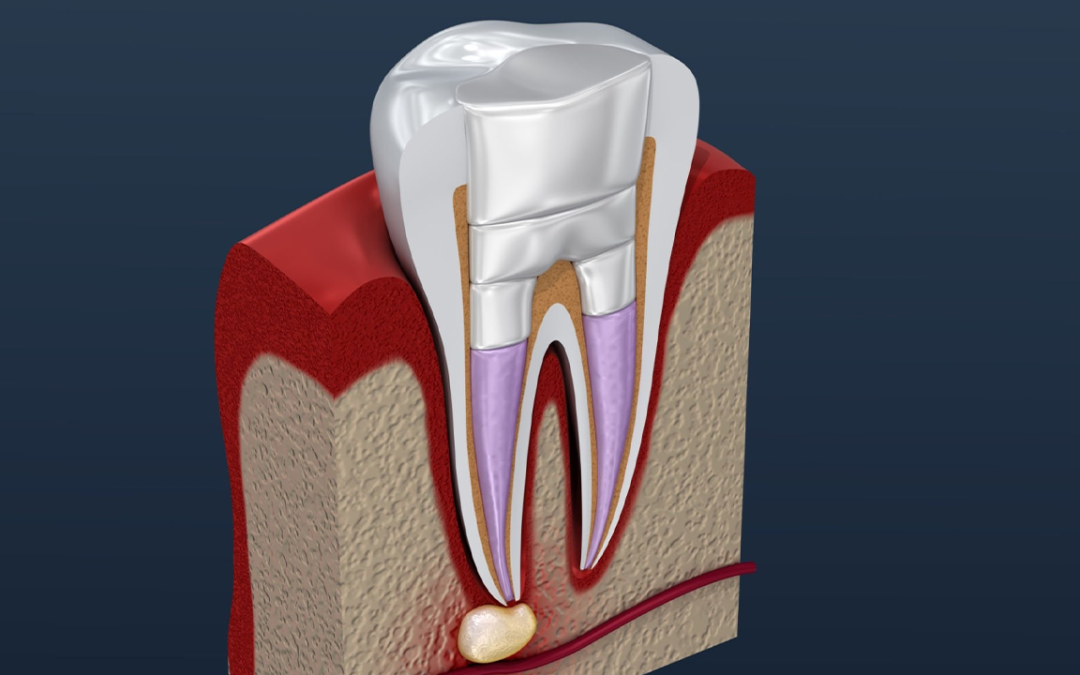
Good endodontic treatment starts with accurate diagnosis. Modern imaging technologies have changed our ability to see dental structures with amazing clarity and precision. These advanced systems help dental professionals find problems that might have been missed with traditional X-rays, greatly improving treatment planning and results for all types of endodontic cases, from simple to complex.
CBCT scanning is a big step forward in dental imaging. Unlike old 2D X-rays, CBCT creates detailed three-dimensional images of teeth, soft tissues, nerve pathways, and bone. This complete visualization helps dentists:
Digital radiography has replaced traditional film-based X-rays in modern endodontic practices. This technology offers many advantages:
Significantly reduced radiation exposure compared to conventional X-rays, with dose reductions of 50-80% while maintaining diagnostic quality. It provides instant image acquisition without chemical processing, saving appointment time and improving workflow efficiency. There's enhanced image quality with tools for contrast adjustment and magnification, allowing for detection of small pathologies like early periapical lesions. Digital radiography also offers easy storage and retrieval for monitoring treatment progress and communicating with referring dentists. It's environmentally friendly by eliminating chemical waste and reducing the carbon footprint of dental practices. Plus, digital enhancement features allow for measurement, annotation, and side-by-side comparison of images over time.
One of the biggest advances in modern dentistry is CEREC technology, which has changed the restoration phase of endodontic treatment. After a root canal procedure, teeth often need crowns or other restorations to protect them from breaking and ensure long-term success. CEREC technology has revolutionized this important final step by allowing immediate, definitive restoration of endodontically treated teeth, eliminating the vulnerable temporary phase that historically led to many treatment failures.
CEREC technology allows dental professionals to design, make, and place ceramic restorations in a single appointment. This offers several benefits for endodontic patients:
It eliminates the need for temporary crowns, which can leak and potentially recontaminate the root canal system, reducing the risk of bacterial reinfection by up to 87%. CEREC reduces the number of appointments, saving time for busy patients and decreasing the overall treatment period by 2-3 weeks. It provides immediate protection for endodontically treated teeth, significantly reducing the risk of fracture during the vulnerable post-treatment period. The technology creates highly accurate restorations that fit precisely, with marginal gaps averaging only 25-40 microns compared to 100+ microns with traditional techniques. It offers superior aesthetics with metal-free, tooth-colored materials that closely mimic natural tooth appearance and translucency. CEREC also enables conservative preparation designs that preserve more healthy tooth structure, particularly important for endodontically treated teeth.
The operating microscope has revolutionized endodontic practice by providing unprecedented visualization of the complex root canal system. This technology has transformed what was once a procedure performed largely by feel into a precise, visually guided treatment. The introduction of surgical microscopes into endodontics represents one of the most significant advances in the specialty, enabling practitioners to address anatomical complexities that were previously unmanageable and substantially improving treatment outcomes across all types of cases.
Endodontic microscopes offer magnification ranging from 3x to 30x, allowing endodontists to:
Locate and treat all canal systems, including accessory canals that might otherwise be missed, increasing the detection of MB2 canals in maxillary molars by up to 62%. Identify tiny fractures that could compromise treatment success, enabling early intervention or appropriate case selection. Remove all infected tissue with greater precision, improving cleaning of the canal system by up to 35% compared to non-microscope techniques. Preserve healthy tooth structure through conservative access preparation, maintaining structural integrity of the treated tooth. Perform microsurgical procedures with enhanced accuracy, improving success rates of apicoectomies from 60% to over 90% in many studies. Visualize calcified canals that might otherwise require excessive dentin removal or risk perforation.
Traditional hand files for cleaning and shaping root canals have been largely replaced by advanced rotary and reciprocating systems. These motorized instruments, typically made of nickel-titanium alloys, offer amazing flexibility and cutting efficiency. The development of these systems over the past twenty years has dramatically transformed the mechanical aspects of root canal treatment, making procedures faster, more predictable, and less technique-sensitive while preserving the natural canal anatomy more effectively than ever before.
Modern rotary instrumentation systems provide numerous benefits. They offer more consistent and predictable canal shaping with standardized tapers and diameters, reducing operator variability by up to 68%. Treatment time is reduced, enhancing patient comfort by decreasing appointment duration by 30-50% compared to hand instrumentation. These systems are better at maintaining original canal anatomy, particularly in curved canals where transportation is reduced by up to 74%. There's decreased risk of procedural errors such as ledging, transportation, or perforation, with complication rates reduced from 10-15% to 2-5%. Cleaning efficiency is improved, especially in curved canals where debris removal is enhanced by the mechanical action of rotary motion. Operator fatigue is reduced, allowing for more focused treatment and the ability to manage multiple cases with consistent quality. Patient comfort is enhanced due to smoother, more efficient instrumentation with less apical extrusion of debris.
Successful endodontic treatment depends not only on mechanical cleaning but also on effective disinfection of the root canal system. Modern endodontic technology has introduced advanced irrigation systems that significantly improve the elimination of bacteria and debris from complex canal anatomies. These innovations address one of the most challenging aspects of endodontic therapy: achieving thorough disinfection of areas inaccessible to mechanical instrumentation, which can harbor bacteria and lead to persistent or recurrent infections if not properly addressed.
Ultrasonic activation represents a major advancement in irrigation techniques. It creates acoustic streaming and cavitation effects that improve irrigant penetration by up to 200% compared to conventional needle irrigation. It enhances removal of debris from canal irregularities and isthmuses, reaching areas that make up to 35% of the canal system volume. This technology improves the effectiveness of antimicrobial solutions by activating them at frequencies that enhance their chemical properties. It facilitates removal of smear layer for better sealer adaptation, improving the hermetic seal by up to 45%. Ultrasonic activation also activates irrigants in areas inaccessible to mechanical instrumentation, such as lateral canals and apical deltas. It generates heat that enhances the dissolving capability of sodium hypochlorite, increasing its tissue dissolution capacity by up to 100%.
After thorough cleaning and shaping, the root canal system must be completely sealed to prevent reinfection. Modern obturation (filling) techniques have evolved from traditional methods to provide more consistent, three-dimensional sealing of the entire canal system. These advanced systems address the limitations of conventional obturation methods, which often failed to adequately seal complex anatomical variations like lateral canals, isthmuses, and apical deltas that can harbor residual bacteria and lead to treatment failure.
Thermoplasticized gutta-percha systems heat gutta-percha to create flowable material that adapts to canal irregularities. They provide better adaptation to canal walls and anatomical variations, with studies showing up to 95% filling of lateral canals compared to 35% with cold lateral condensation. These systems offer more complete filling of lateral canals and isthmuses, areas that make up to 30% of the canal system in posterior teeth. They improve sealing of the apical foramen, reducing microleakage by up to 60% compared to traditional techniques. The risk of voids or gaps in the filling material is reduced, with void volume decreased by up to 75% in comparative studies. These systems create a more homogeneous mass of filling material that provides better long-term stability, and they decrease procedural time compared to traditional lateral condensation techniques.
The integration of digital technologies has transformed treatment planning and execution in endodontics. Computer-guided approaches enhance precision and predictability, particularly in challenging cases. These technologies represent the cutting edge of endodontic innovation, allowing practitioners to visualize, plan, and execute treatments with unprecedented accuracy and minimal invasiveness. Digital workflows have become especially valuable for managing complex cases that previously carried high risks of procedural errors, such as teeth with calcified canals, unusual anatomy, or previous unsuccessful treatment attempts.
Modern software allows for detailed planning before the actual procedure. It integrates CBCT data for three-dimensional treatment planning, enabling visualization of the entire tooth in relation to surrounding structures. Virtual simulation of access preparation and canal location reduces the risk of missed canals by up to 62% in complex cases. The software helps identify anatomical challenges before treatment begins, allowing for appropriate case selection and preparation. It enables precise measurement of canal length and curvature, with accuracy to within 0.1mm compared to traditional methods. Digital planning also allows for minimally invasive access designs that preserve critical pericervical dentin, maintaining structural integrity. It provides preoperative assessment of pulp chamber and canal calcification patterns, particularly valuable in traumatized teeth. And it allows evaluation of root proximity to vital structures for safer instrumentation parameters.
Modern endodontic technology has significantly improved the patient experience, addressing the anxiety and discomfort traditionally associated with root canal treatment. These advancements have transformed the procedure into a comfortable and often painless experience. The focus on patient-centered care has been a driving force behind many technological innovations, recognizing that patient comfort not only improves the immediate experience but also contributes to better treatment outcomes and increased willingness to seek necessary care rather than delaying treatment due to fear.
Modern anesthesia delivery systems enhance patient comfort. Computer-controlled anesthetic delivery provides more comfortable injections, with studies showing pain reduction of up to 40% compared to traditional syringe delivery. Single-tooth anesthesia techniques offer precise numbness without affecting surrounding tissues, particularly beneficial for anterior teeth. Buffered anesthetic solutions reduce injection discomfort by neutralizing acidic pH, decreasing initial injection pain by up to 50%. Vibration devices distract from injection sensations, utilizing gate control theory to reduce perceived pain. Articaine formulations provide more profound pulpal anesthesia, particularly in mandibular molars with irreversible pulpitis. Supplemental techniques like intraosseous anesthesia for cases resistant to conventional blocks increase success rates from 55% to over 90%.
The evolution of endodontic technology has transformed root canal treatment from a procedure often approached with fear to a sophisticated, comfortable, and highly successful therapy. These technological advancements provide many benefits to both patients and dentists, fundamentally changing endodontic care and saving countless teeth that might otherwise have been pulled. The integration of digital workflows, enhanced visualization, and advanced materials has raised the standard of care to unprecedented levels, making endodontic treatment more predictable, efficient, and patient-friendly than ever before.
Modern endodontic technology offers significant advantages. It provides enhanced diagnostic capabilities through advanced imaging, allowing for detection of pathologies with 95% greater accuracy than conventional radiography. Treatment precision is improved with microscope-enhanced visualization, increasing success rates in complex cases from 70% to over 90%. There's greater efficiency with rotary instrumentation and digital workflows, reducing treatment time by up to 50% while improving outcomes. Better disinfection is achieved through advanced irrigation technologies, achieving bacterial load reductions of up to 99.9% compared to 90% with conventional methods. More complete obturation with 3D filling systems reduces microleakage by up to 60% and virtually eliminates retreatment due to inadequate fills. Patient comfort is increased and treatment time reduced, transforming the patient experience and eliminating the negative stigma of root canal therapy. Higher success rates and better long-term outcomes are achieved, with modern techniques achieving 5-year success rates of 95% compared to 80-85% historically. And there's seamless integration with other dental specialties, creating comprehensive treatment approaches that address both endodontic and restorative needs.

