718-979-2121
Key Takeaways
- Regular brushing, flossing, and professional cleanings are essential for gum health
- Early detection of gum issues prevents progression to serious periodontal disease
- Healthy lifestyle choices significantly impact gum health
- Professional periodontal care is crucial for maintaining healthy gums
- Gum health is directly connected to overall bodily health
Understanding the Importance of Gum Health
Healthy gums are the foundation of a beautiful smile and overall oral health. At Oakwood Dental Clinics, we focus on preventive gum care as a key part of dental wellness. Your gums protect your teeth and keep harmful bacteria from entering your bloodstream. When your gums aren’t healthy, it can cause problems for your teeth and your whole body.
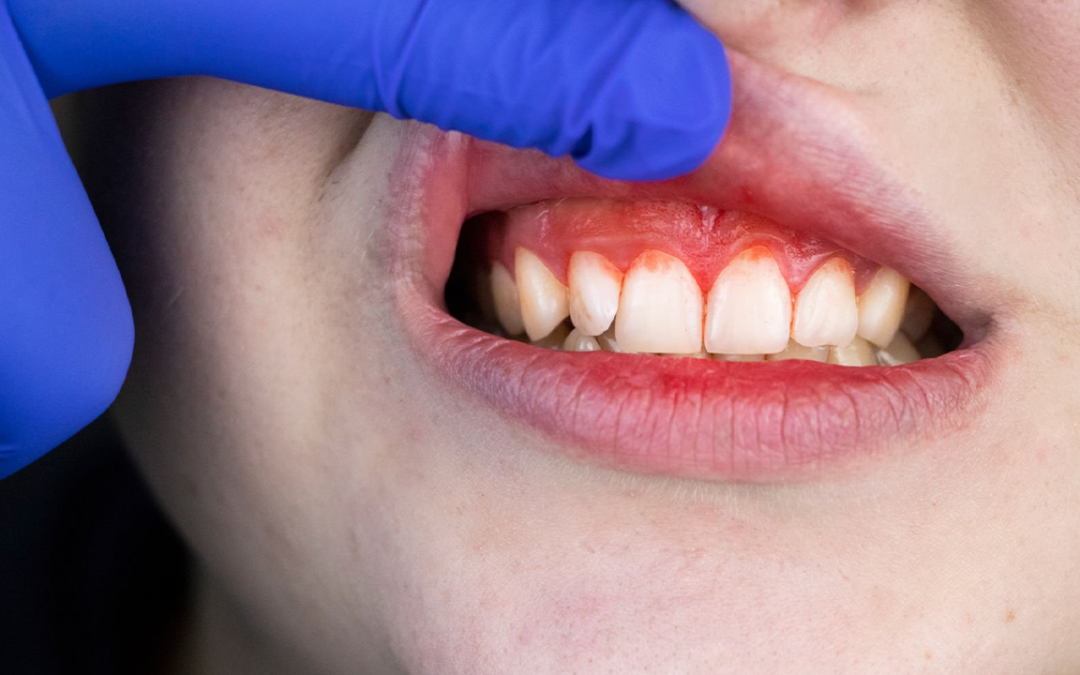
Gum disease, also called periodontal disease, affects about 47% of adults over 30 in the United States. It starts with gingivitis—red, swollen gums that might bleed when you brush—and can get worse if not treated. Even mild gum problems can cause inflammation throughout your body. Professional periodontal care helps stop these problems before they become serious.


Research shows clear links between gum health and other conditions like heart disease, diabetes, and breathing problems. Studies have found that people with gum disease have a higher risk of heart attacks, strokes, and diabetes complications. The bacteria from gum disease can travel through your blood, causing inflammation throughout your body and possibly making other health conditions worse. By getting routine dental care, you’re not just taking care of your smile—you’re protecting your whole body.
Daily Practices for Healthy Gums
A good daily oral hygiene routine is the most important part of keeping your gums healthy. At Oakwood Dental Clinics, we suggest brushing, flossing, and using the right oral care products every day. Being consistent is really important, because even skipping a few days can let bacteria build up and cause gum inflammation.
Proper Brushing Techniques
Brush twice daily with a soft-bristled toothbrush and fluoride toothpaste to remove plaque before it hardens into tartar. Hold your toothbrush at a 45-degree angle to your gumline and use gentle, circular motions instead of hard back-and-forth scrubbing, which can hurt your gums and cause them to recede over time. Brush for at least two minutes, spending about 30 seconds on each quarter of your mouth. Don’t forget to brush all surfaces of your teeth, including the back molars and along the gumline where bacteria often collect and gum disease usually starts.
Replace your toothbrush every three to four months, or sooner if the bristles get frayed. Research shows that a worn toothbrush doesn’t clean as well and might hold harmful bacteria that can get back into your mouth each time you brush. Many dentists recommend electric toothbrushes because they remove plaque better, especially for people who have trouble with hand movements or brushing technique. Understanding oral health essentials means knowing when to replace your dental tools and picking the best ones for your needs.
The Critical Role of Flossing
You must floss daily for gum health because it reaches places between teeth that your toothbrush can’t—about 40% of your tooth surfaces. These spaces between teeth are very likely to collect bacteria and are often where gum problems start. To floss properly, gently guide the floss between your teeth and curve it around each tooth in a C-shape, moving it up and down to remove plaque and food from below the gumline. The floss should go slightly below the gum edge to clean the pocket between your tooth and gum where bacteria often grow.
If you find regular floss hard to use, you can try floss picks, water flossers, or interdental brushes. Studies show water flossers work especially well for people with braces, bridges, or implants. The most important thing is to find a method you like and use it every day. Many dental professionals suggest flossing at night before brushing to remove food from the day and let the fluoride from toothpaste reach between your teeth better. Keeping your gums healthy means being committed to these basic practices and understanding that cleaning between your teeth is just as important as brushing.
Supplementary Oral Care Products
Besides brushing and flossing, antimicrobial or therapeutic mouthwashes can help reduce bacteria and prevent gum disease. Studies show that certain ingredients like chlorhexidine, cetylpyridinium chloride, or essential oils can significantly reduce plaque buildup and gingivitis when used regularly. These products should add to, not replace, brushing and flossing. For best results, use mouthwash at a different time than brushing to protect your teeth throughout the day. Ask your dentist at Oakwood Dental Clinics which mouthwash is best for your specific needs and oral health.

Cleaning your tongue is another often forgotten part of oral hygiene that can really help your gum health. Your tongue has a rough surface that holds millions of bacteria that can cause gum problems and bad breath if not regularly removed. Studies show that tongue cleaning can reduce the total bacteria in your mouth by up to 45%. Using a tongue scraper or your toothbrush to gently clean your tongue daily, working from back to front, can greatly improve your oral health and enhance your preventive dental care routine. This simple addition takes only seconds but provides big benefits for fresh breath and less bacteria transfer to your gums.
Recognizing the Signs of Gum Disease
Finding gum disease early is important for treating it well. Knowing the warning signs allows you to get help before the condition gets worse and needs extensive treatment or causes permanent damage. At Oakwood Dental Clinics, we teach our patients about these signs so they can maintain their oral health and know when to get professional help.
Early Warning Signs
The first stage of gum disease, gingivitis, shows several noticeable symptoms that you shouldn’t ignore. These early warning signs tell you that the balance between oral bacteria and your immune response has been disrupted, creating inflammation that needs attention:
- Redness or swelling of the gums, particularly at the margins where they meet the teeth
- Bleeding during brushing or flossing, even with gentle pressure
- Tender or sensitive gums that may be uncomfortable when touched or exposed to hot or cold
- Persistent bad breath (halitosis) that doesn’t resolve with brushing or mouthwash
- Slight recession of the gumline, making teeth appear longer than before
If you notice any of these symptoms, you should schedule a dental appointment soon. The good news about gingivitis is that it can be completely reversed with proper professional treatment and better home care. Early treatment can prevent it from progressing to more serious forms of gum disease that involve permanent bone and tissue loss. Addressing bleeding gums and other early signs can prevent more serious conditions and preserve both your oral health and overall wellbeing.

Advanced Periodontal Disease Indicators
As gum disease gets worse, changing from gingivitis to periodontitis, the symptoms become more serious and can cause permanent damage to the structures supporting your teeth. This happens when bacterial infection spreads below the gumline, causing inflammation that destroys the ligaments and bone that hold your teeth in place. Watch for these advanced signs that show you need immediate professional help:
These symptoms show a more serious condition that needs immediate professional attention from specialists trained in periodontal care. Without proper treatment, advanced periodontitis can lead to tooth loss and contribute to other health problems through chronic inflammation. Specialized periodontal care may be necessary to treat advanced gum disease through procedures like deep cleaning, antibiotic therapy, or surgery to restore periodontal health and prevent further damage to supporting structures.
The Role of Professional Dental Care
While daily home care is the foundation of gum health, professional dental services are equally important for complete preventive care. Even the most careful home care routine can’t remove all plaque and tartar, especially in hard-to-reach areas or below the gumline where special instruments are needed. Regular visits to Oakwood Dental Clinics allow for thorough assessment, professional cleaning, and early treatment when problems arise, creating a partnership approach to maintaining optimal periodontal health throughout your life.
Regular Dental Check-ups and Cleanings
Professional dental exams, usually recommended every six months for patients with good oral health, help your dentist detect early signs of gum disease that you might not notice. These routine check-ups are an important preventive measure, allowing for early treatment before small issues become serious conditions requiring extensive treatment. During these visits, your dental professional will check the health of your gums, measure the depth of gum pockets using a special probe, look for signs of inflammation or recession, and evaluate your overall oral health including risk factors that might contribute to periodontal disease.
Professional cleanings remove plaque and tartar buildup that can’t be removed through home care alone, no matter how well you brush and floss. Once plaque hardens into tartar (calculus), it can only be removed with professional instruments designed for this purpose. This is especially important for preventing gum disease, as tartar provides a rough surface where bacteria can grow, leading to gum inflammation and infection. Removing these deposits helps restore gum health and prevents gingivitis from progressing to more serious periodontal conditions. Comprehensive dental services include these essential preventive measures as part of a complete approach to maintaining oral health throughout your life.
Lifestyle Factors Affecting Gum Health
Your daily habits and lifestyle choices greatly impact your gum health, sometimes even more than your genes. Understanding and changing these factors can make your preventive care routine more effective and reduce your risk of developing gum disease. Many patients are surprised to learn how much their everyday choices affect their periodontal health and how simple changes can lead to big improvements.
Nutrition and Diet
A balanced diet rich in vitamins and minerals supports gum health and helps your body fight infection and maintain tissue health. The relationship between nutrition and periodontal health is well-established in scientific research, with certain nutrients playing particularly important roles in maintaining healthy gum tissue and supporting immune function. Particularly important nutrients for optimal gum health include:
On the other hand, a diet high in sugary foods and refined carbohydrates promotes bacterial growth and plaque formation, increasing the risk of gum disease. These foods feed harmful oral bacteria, which produce acids and inflammatory compounds that damage gum tissue. Also, processed foods often lack the nutrients necessary for optimal gum health and immune function. Understanding oral health essentials includes recognizing how your diet affects your gums and making informed choices about what you eat.
Smoking and Tobacco Use
Using tobacco in any form is one of the biggest risk factors for gum disease, with smokers being up to six times more likely to develop periodontitis compared to non-smokers. The negative effects of tobacco on periodontal health are well-documented in scientific research and happen through multiple ways:
Quitting tobacco use can dramatically improve gum health and make periodontal treatments work better. Studies have shown that former smokers experience significant improvements in gum health within months of quitting, with risk levels gradually approaching those of never-smokers over time. The benefits go beyond oral health to include reduced risk of numerous other diseases. Maintaining healthy gums becomes much easier when tobacco is removed from your lifestyle, and our team at Oakwood Dental Clinics can provide resources and support for patients who want to quit.
Special Considerations for Different Age Groups
Preventive gum care needs change throughout life, with each age group facing unique challenges and requiring specific approaches to maintain optimal oral health. Understanding these age-related considerations allows for more effective prevention strategies tailored to your current life stage and risk factors.
Children and Adolescents
Creating good oral hygiene habits early in life builds the foundation for lifelong gum health and helps prevent the development of periodontal problems in adulthood. Research shows that the patterns established during childhood often continue throughout life, highlighting the importance of early education and positive reinforcement. For children and teenagers, key considerations include:
At Oakwood Dental Clinics, our pediatric dentistry services focus on creating positive dental experiences while providing age-appropriate preventive care and education. We emphasize making oral hygiene fun and engaging for children, using positive reinforcement rather than fear to encourage good practices.
The Connection Between Gum Health and Systemic Health
Research continues to strengthen our understanding of the two-way relationship between oral health and overall wellness. The mouth-body connection has important implications for preventive healthcare approaches, with growing evidence suggesting that periodontal health may influence the development and progression of various systemic conditions.
The Oral-Systemic Link
Gum disease involves inflammation and bacterial infection that can impact far beyond the mouth through multiple pathways. The periodontal pocket provides a direct entry point for oral bacteria to enter the bloodstream, while inflammatory substances produced in response to these bacteria can circulate throughout the body and affect distant tissues and organs. Scientific evidence has established connections between periodontal disease and various systemic conditions, with particularly strong associations in the following areas:
Understanding these connections emphasizes the importance of oral health essentials as a component of overall preventive healthcare. Maintaining healthy gums isn’t just about preserving your smile—it’s about protecting your entire body from the potential consequences of chronic oral inflammation and infection.
Conclusion
Preventive gum care is a cornerstone of overall oral health and plays a significant role in your general wellbeing. By understanding the importance of gum health, implementing effective daily practices, recognizing warning signs, seeking appropriate professional care, and addressing lifestyle factors, you can maintain healthy gums throughout your life and potentially reduce your risk of various systemic health conditions associated with periodontal disease.
At Oakwood Dental Clinics, we’re committed to partnering with you in this important aspect of healthcare. Our comprehensive approach to preventive care combines professional expertise, advanced technology, and personalized guidance to help you achieve and maintain optimal gum health regardless of your age, current oral health status, or specific risk factors. We believe in empowering our patients through education and support, helping you take control of your oral health through informed decisions and consistent care.
Remember that prevention is always more comfortable, cost-effective, and health-preserving than treating advanced conditions. The investment you make in preventive gum care today—through consistent home care, regular professional evaluations, and healthy lifestyle choices—pays dividends in your overall health and quality of life for years to come. Periodontal disease is largely preventable with proper care, and even existing conditions can often be effectively managed to prevent progression and preserve your natural teeth.