718-979-2121
Whitening should make you more confident, not more uncomfortable. Yet up to 67% of U.S. adults have tried whitening their teeth, and many stop because of sensitivity and “zingers” after treatment. At Oakwood Dental Clinics, we focus on whitening solutions for sensitive teeth that respect your comfort while still giving you a noticeably brighter smile.
Key Takeaways
| Question | Answer |
|---|---|
| 1. Can I whiten my teeth if I already have sensitivity? | Yes. With careful planning, desensitizing products, and professional guidance, most people with sensitivity can whiten safely. Our in-office whitening services are designed with this in mind. Learn more about our approach to professional teeth whitening. |
| 2. What whitening options are gentler for sensitive teeth? | Lower-concentration gels, peroxide-free formulas, and professional systems like Opalescence Boost can be adapted for sensitivity. We also discuss options like veneers for stubborn discoloration on our no-prep veneers page. |
| 3. How do dentists reduce whitening pain? | We use desensitizing gels and toothpastes, customize exposure time, and protect your gums carefully. For anxious patients, options discussed in our nitrous oxide guide can make treatment more comfortable. |
| 4. Are there alternatives if whitening gel always hurts my teeth? | Yes. Cosmetic solutions such as crowns and bridges or implant restorations can permanently improve tooth color while bypassing whitening gels. |
| 5. Is in-office whitening safer than at-home kits for sensitive teeth? | In-office treatment allows us to control gel strength, protect your gums, and stop if sensitivity appears. Our article on Opalescence Boost professional whitening explains how we manage comfort closely. |
| 6. Can whitening trigger other dental issues? | Existing decay, gum recession, or cracks can worsen sensitivity. We always screen your oral health first; topics like decay are covered in our guide to the most common signs of tooth decay. |
Understanding Why Sensitive Teeth React to Whitening Treatments
To choose the right whitening for sensitive teeth, it helps to understand why some teeth react so strongly. Sensitivity usually occurs when the protective enamel is thin, gums are receded, or tiny cracks and exposed dentin allow whitening agents to reach the nerve more easily.
Many over-the-counter kits use higher concentrations of peroxide than sensitive teeth can comfortably tolerate, especially when used too often or left on too long. At Oakwood Dental Clinics, we assess your enamel, gum health, and any areas of recession before we recommend a whitening plan, so we can anticipate and reduce discomfort from the start.

Gentle Professional Whitening Options for Sensitive Teeth
Professional whitening allows us to adjust product strength and timing around your sensitivity. In-office whitening with carefully selected gels and protective barriers can brighten your smile in a single visit while we monitor how your teeth respond in real time.
Research shows that desensitizing toothpastes can significantly reduce the sensitivity that follows higher-concentration bleaching. We often recommend using a desensitizing toothpaste or gel for one to two weeks before and after in-office whitening to cushion your teeth against irritation.
Opalescence Boost and Controlled In-Office Whitening
Professional systems such as Opalescence Boost use high-quality hydrogen peroxide gels that we apply with precision to your teeth while shielding your gums. Because we control contact time and can pause between applications, we can adapt the protocol immediately if you start to feel sensitivity.
We may also combine an initial in-office whitening session with custom at-home trays and lower-concentration gel. A 2024 trial found that using both in-office and at-home whitening together improved brightness without increasing sensitivity risk compared to in-office treatment alone, which is especially encouraging for sensitive patients.
Low-Peroxide and LED-Assisted Whitening: A Softer Approach
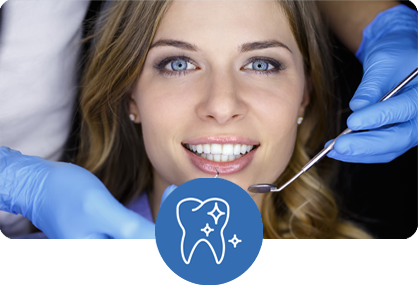
If your teeth are highly reactive, lower-peroxide gels activated with LED light may be an option. Clinical research in 2024 showed that LED-assisted whitening with 6% hydrogen peroxide produced lower sensitivity 24 hours after treatment than 35% hydrogen peroxide, while still achieving visible whitening.
This aligns with what we see in practice: spreading whitening over several gentler sessions instead of a single aggressive appointment can be kinder to sensitive teeth. By layering lower-strength applications and monitoring you throughout, we can often reach your desired shade without provoking extended pain.
Desensitizing Toothpastes and Gels: Preparing Sensitive Teeth for Whitening
One of the simplest and most effective ways to reduce whitening discomfort is to prepare with a desensitizing toothpaste. A 2024 systematic review found that desensitizing toothpastes significantly cut post-bleaching sensitivity for both high-concentration at-home and single-session in-office whitening.
We typically advise patients with sensitive teeth to switch to a desensitizing formula containing ingredients like potassium nitrate or stannous fluoride at least two weeks before any whitening. Continuing this routine after your whitening session can help calm the nerves inside the tooth and shorten any lingering sensitivity.
- Before whitening: Brush twice daily with a desensitizing toothpaste.
- During treatment: Use a soft-bristled brush and lukewarm water.
- After whitening: Avoid whitening toothpastes for 48 hours; stay with the desensitizing formula.
At-Home Whitening for Sensitive Teeth: How to Choose Safely
Demand for at-home whitening kits has risen by more than 60%, and many of these options now advertise “for sensitive teeth.” However, labels can be confusing, and not every “gentle” kit is appropriate for every smile. We encourage our patients to bring in their kits or ask us before starting any at-home regimen.
Look for clearly stated peroxide percentages, instructions that limit wear time, and the option to use the product every other day instead of daily. If your teeth are already sensitive, we may suggest using custom trays with a lower-strength professional gel under our guidance rather than relying solely on generic strips or LED kits.
| Feature | More Comfort for Sensitive Teeth |
|---|---|
| Peroxide Level | Low to moderate (e.g., 6–10% HP or mild carbamide peroxide) |
| Wear Time | Short sessions; ability to stop if sensitivity appears |
| Tray Fit | Custom or snug fitting to keep gel off gums |
When Whitening Isn’t Enough: Veneers, Crowns, and Other Cosmetic Solutions
Some stains—such as those from certain medications, trauma, or developmental conditions—do not respond well to whitening gels, especially if your teeth are already sensitive. In these cases, surface treatments that change the visible layer of the tooth can be more predictable and more comfortable.
No-prep veneers, for example, allow us to cover deep discoloration with thin porcelain shells, often without removing tooth structure. For teeth that are heavily filled, cracked, or worn, porcelain crowns can both strengthen the tooth and permanently improve its shade without exposing your nerves to whitening chemicals again and again.
No-Prep Veneers for Sensitive, Discolored Teeth
No-prep veneers are particularly helpful for patients whose enamel is already thin or sensitive. Because we remove little to no tooth structure, we minimize post-treatment sensitivity while giving you a brighter, more uniform smile.

Managing Anxiety and Sensitivity Together During Whitening
Many patients who struggle with sensitive teeth also feel anxious about dental visits. We recognize that fear of pain can keep you from seeking care, even when you want a whiter smile. Our teams across Oakwood Dental Clinics focus on clear communication and a calm, supportive environment from the moment you arrive.
For patients with significant anxiety, nitrous oxide (laughing gas) can be a gentle way to take the edge off during professional whitening. It helps you feel more relaxed and can make it easier to sit through the short intervals required for in-office whitening, especially when we are working carefully around sensitive areas.
Protecting Enamel and Gums Before, During, and After Whitening
Protecting your enamel and gums is central to any whitening plan for sensitive teeth. Before we begin, we check for cavities, worn fillings, gum disease, and areas of recession that could flare up with whitening agents. Any active disease is treated first so that whitening does not irritate already vulnerable tissues.
During in-office whitening, we apply a protective barrier over your gums and avoid placing gel on root surfaces. After treatment, we recommend a “white diet” for 24–48 hours—avoiding strong staining foods and drinks—while your enamel pores settle. This way, we reduce the need to repeat whitening too often, which can otherwise contribute to ongoing sensitivity.
A careful exam, tailored whitening plan, and thoughtful aftercare can mean the difference between a brighter smile and a painful experience for sensitive teeth.
Smile Makeovers: Combining Whitening With Orthodontics and Restorative Care
Sometimes, the most comfortable whitening result for sensitive teeth comes from combining multiple treatments rather than relying on gel alone. For example, we may recommend Invisalign to align crowded teeth so that later whitening reaches all surfaces evenly, allowing for shorter, less intense whitening sessions.
If you have older, dark fillings or visible crowns, we plan whitening first, then match new restorations to your brighter shade. In some cases, CEREC crowns or implant restorations are part of the solution, giving you a whiter, more uniform smile that does not depend on frequent bleaching of already sensitive enamel.
Post-Whitening Care: Keeping Sensitivity Low and Results Bright
Once you achieve a shade you like, the goal is to maintain it with as little extra whitening as possible. That starts with daily habits: good brushing and flossing, regular dental cleanings, and being mindful of frequent exposure to coffee, tea, red wine, and tobacco.
For sensitive teeth, we often recommend whitening “touch-ups” only once or twice a year, using milder gels and shorter sessions. In between, a non-abrasive whitening toothpaste, desensitizing products, and periodic professional cleanings can help you keep your teeth bright without pushing them beyond their comfort level.
- Use desensitizing toothpaste as your regular formula.
- Limit acidic and highly pigmented foods right after any whitening.
- Schedule professional cleanings to remove surface stains gently.
When to Call a Dentist About Whitening-Related Sensitivity
Mild, short-lived sensitivity for a day or two after whitening is common, especially in people who already have sensitive teeth. However, sensitivity that lingers, worsens, or feels sharp and electric with cold may indicate deeper issues such as decay, cracks, or gum recession that need attention.
You should contact a dentist promptly if you notice pain when chewing, visible cracks, or sensitivity in only one or two teeth instead of across your whole smile. These can be signs of a problem that whitening has uncovered rather than caused, and early care can protect both your comfort and your long-term oral health.
Conclusion
Whitening for sensitive teeth is absolutely possible when it is planned carefully and carried out under professional guidance. By choosing appropriate gel strengths, using desensitizing products, protecting enamel and gums, and considering alternatives like veneers or crowns when needed, we can brighten your smile while keeping your comfort central to every decision.
At Oakwood Dental Clinics, our empathetic teams across our practices work with you to design a whitening plan that respects both your goals and your sensitivity. If you have been putting off whitening because you worry about pain, we invite you to talk with us about a safer, gentler path to the brighter smile you’ve been hoping for.