718-979-2121
Porcelain crowns and veneers only look truly natural when the shade is right, and research shows digital tools alone correctly match tooth color less than 50% of the time, so careful shade matching is essential for lifelike results.
At Oakwood Dental Clinics, we combine technology, training, and a detailed eye for color to help your new restorations blend seamlessly with your natural teeth.
Key Takeaways
| Question | Answer |
|---|---|
| How important is shade matching for porcelain crowns and veneers? | Shade matching is what makes restorations look “invisible” in your smile. We assess tooth color, translucency, and your overall smile, often as part of broader treatment planning like full mouth restoration. |
| Can veneers fix color and shape at the same time? | Yes. Both traditional and no-prep veneers change color, shape, and size, which we explain in detail when comparing options in our guide on traditional vs. no-prep veneers. |
| What technologies help with accurate shade matching? | Digital imaging, 3D scanning, and CAD/CAM systems support precise design and fabrication, as described in our article on top dental technologies for efficient patient care. |
| Do I need whitening before crowns or veneers? | Often yes, because porcelain will be crafted to match your current tooth color. We may recommend in-office teeth whitening first to brighten your baseline shade. |
| How do you make fillings and crowns look natural together? | We use tooth-colored materials and careful shade selection, similar to the approach described in our guide to natural-looking dental fillings, then coordinate crown and veneer shades to match. |
| Can shade matching be part of a same-day crown visit? | Yes. With CEREC technology, we plan and mill ceramic crowns in a single visit, as outlined in our page on CEREC dental restorations, including careful shade selection during that appointment. |
Understanding Shade Matching for Porcelain Crowns and Veneers
Shade matching is the process of selecting porcelain color so that crowns and veneers blend naturally with your surrounding teeth and gums.
It involves more than picking a single color, because we also consider value (lightness), chroma (intensity), translucency, and how light reflects from your teeth in different environments.
We begin by evaluating your natural teeth in neutral lighting, often before any tooth preparation.
If you plan to whiten, we typically complete whitening first, then match the porcelain shade to your new baseline color.
- Porcelain crowns cover the entire tooth and must harmonize with neighboring teeth.
- Porcelain veneers cover the front surface, so the underlying tooth color plays a major role in the final look.
A 2025 study on veneers showed that the underlying tooth shade accounted for about 87.82% of the final color outcome, which is why we spend time assessing your existing tooth color before recommending veneer thickness and shade.
How We Choose Shades: Visual Guides, Digital Tools, and Lab Communication
We use a combination of traditional shade guides, digital imaging, and clear communication with our dental laboratories to select the appropriate shade.
Visual shade guides allow us to compare prefabricated porcelain tabs to your teeth directly, while digital tools capture high quality images and sometimes objective color data.
Research in 2024 showed that inter-method agreement between an intraoral scanner and a spectrophotometer was only about 46.9% for color matches, which confirms that digital readings still require careful visual verification.
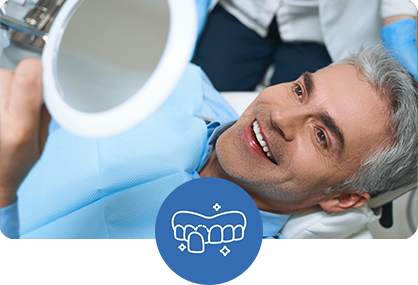
This is why our dentists use digital methods for consistency, then confirm visually under controlled lighting and sometimes involve you with a hand mirror so we can align on expectations.
We also document shade selections, translucency preferences, and any special characteristics for the lab, such as faint white lines or small areas of darker enamel, to recreate a smile that looks like it belongs to you.
Traditional vs. No-Prep Veneers: Shade Matching Considerations
Traditional veneers and no-prep veneers can both achieve beautiful shade matching, but the way they interact with your natural tooth color is slightly different.
Traditional porcelain veneers usually involve a small amount of enamel removal, which gives us more room to control final color for darker teeth or more dramatic color changes.
No-prep veneers are ultra-thin porcelain shells that often sit on top of the enamel with little or no reduction.
Because they are thinner, the underlying tooth shade shows through more, which is ideal for minor color adjustments but may be limiting when teeth are heavily discolored.
When we discuss options similar to those in our article on traditional vs. no-prep veneers, we review how much whitening, tooth preparation, and veneer thickness are needed to meet your shade goals.
A concise visual guide illustrating a 5-step shade matching process for porcelain crowns and veneers. Learn how to use shade guides and color finalization to achieve natural-looking restorations.
Digital Smile Design: Planning Color for Crowns and Veneers
Digital Smile Design (DSD) allows us to preview your future smile before we ever touch your teeth.
We use photos, scans, and software to simulate how different shapes and shades of porcelain will look alongside your lips, gums, and facial features.
This planning is especially helpful for no-prep veneers and multi-tooth cases where uniform shade and symmetry matter.
By digitally adjusting brightness and color, we can show you how a slightly whiter shade or a more subdued natural tone might look, so we can choose together.
In many cases, DSD also helps communicate specific shade layering and translucency instructions to our lab, which reduces guesswork and remakes.
CEREC Crowns and Shade Matching in a Single Visit
With CEREC technology, we can prepare your tooth, design a ceramic crown, and place it in a single visit.
Shade selection is built into this workflow, so we carefully choose a ceramic block shade that matches your neighboring teeth before milling.
CEREC crowns are typically made from high strength ceramic that closely mimics natural enamel, including its light reflection.
We may fine tune color after milling with glazing or stains to better match small variations in your smile.
Because you see the shade result immediately, we can make adjustments while you are still in the chair.
Teeth Whitening and Shade Matching: When to Whiten Before Porcelain
If you plan to brighten your smile, it is almost always better to whiten before we finalize crown or veneer shades.
Porcelain does not change color once it is made, so any whitening afterward will leave restorations darker than your natural teeth.
In-office teeth whitening can often improve your tooth shade several steps in one visit, giving us a brighter reference for shade selection.
We usually wait a short period after whitening for your color to stabilize, then take final shade readings and photos.
This approach gives you more flexibility for a lighter and more uniform final result, especially for front teeth.
Material Choices for Porcelain Crowns and Veneers and Their Impact on Shade
Several ceramic systems can achieve excellent shade matching, including feldspathic porcelain, lithium disilicate, and modern gradient zirconia.
A 2025 clinical trial showed no significant difference in shade matching between gradient zirconia crowns and lithium disilicate crowns, with zirconia slightly more likely to replicate natural shades in that study.
For veneers, feldspathic porcelain offers very natural translucency and is often used in thin, highly customized cases.
Lithium disilicate provides strength and lifelike esthetics, which can be especially useful for patients who clench or for teeth that need more support.
We select materials based on your bite, tooth position, and color goals, then coordinate with the lab to apply layered porcelains that mimic the subtle variations in your real teeth.
Matching a Single Front Tooth vs. Full Smile Cases
Matching the shade of a single front crown or veneer to surrounding natural teeth is one of the most demanding tasks in cosmetic dentistry.
Slight differences in value or translucency can make a single tooth look artificial if not carefully planned.
In these cases, we pay close attention to fine details like incisal translucency, small white spots, or faint vertical lines that appear in your natural enamel.
We may take additional photos with polarizing filters or specific lighting angles to send to the lab.
For full smile or multi-tooth cases, we have more freedom because we are creating a new, coordinated shade across several teeth, often guided by digital smile design.
How Fillings, Implants, and Other Restorations Affect Shade Harmony
Porcelain crowns and veneers rarely exist in isolation, so we also consider old fillings, implant crowns, and bridges when planning shade.
Tooth-colored fillings can be carefully matched to adjacent enamel, similar to the process we use for porcelain.
When we replace metal or dark fillings with composite or porcelain in visible areas, we create a more consistent baseline shade for future crowns or veneers.
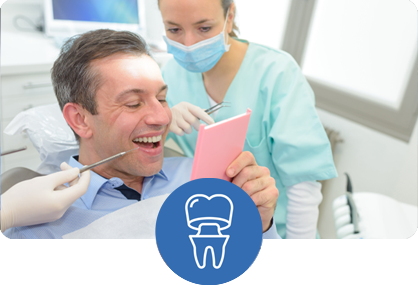
Implant crowns and bridges are color matched using the same shade guides and digital photos as natural teeth, so they blend into your smile.
If you are planning a full mouth implant restoration, we can design the final tooth color for your entire new smile, instead of trying to match a few porcelain teeth to many darker natural teeth.
What to Expect at Your Shade Matching Appointment
During your shade matching visit, we start with a conversation about your goals, including how white you want your smile to look and how natural you want it to appear.
We examine your teeth in neutral lighting, away from bright colors, and may drape a neutral bib to avoid reflections from clothing.
Using a shade guide, we identify a base shade, then refine by comparing multiple tabs to different parts of your tooth, such as the neck and edge.
Digital photos are taken from several angles, often with your lips gently retracted, so our lab can see the exact context of your teeth and gums.
For more complex cases, we may schedule a try-in appointment where you preview the shade with temporary or uncemented restorations before we finalize bonding.
Conclusion
Successful shade matching for porcelain crowns and veneers is a careful blend of science, technology, and artistic judgment.
At Oakwood Dental Clinics, we take time to understand your goals, evaluate your natural tooth color, and use a combination of digital tools, visual shade guides, and detailed lab communication to craft restorations that look and feel like your own teeth.
Whether you need a single front crown, a set of veneers, or a full mouth restoration, we focus on creating a healthy smile that looks natural from every angle.
If you are considering porcelain crowns or veneers and have questions about shade matching, our team is ready to guide you through each step.