718-979-2121
Many people want a noticeably brighter smile quickly, yet only about 10% of whitening users choose professional in-office care, even though in-office whitening is the most common cosmetic dental procedure among adults who see a dentist for aesthetic improvements. At Oakwood Dental Clinics, we see first-hand how confusing it can be to compare in-office whitening options, light-activated systems, and dentist-supervised trays. This guide walks you through the main professional in-office whitening choices, how they work, and how to decide what fits your teeth, your timeline, and your sensitivity level.
Key Takeaways
| Question | Short Answer (and Helpful Links) |
|---|---|
| 1. What is professional in-office whitening? | It is a dentist-delivered whitening procedure performed in the dental chair using high-concentration gels and professional tissue protection for rapid results. Learn more about our protocol on our in-office teeth whitening service page. |
| 2. How do in-office options compare to other whitening methods? | In-office whitening is typically faster and more noticeable than take-home trays or store-bought products. For an overview of options, see top professional whitening options. |
| 3. What is Opalescence Boost? | It is a chemically activated, professional-grade in-office whitening gel (40% hydrogen peroxide) that does not require a light. We explain how it works in detail in our Opalescence Boost guide. |
| 4. Who is a good candidate for in-office whitening? | Adults and older teens with healthy teeth and gums and extrinsic staining usually qualify. You can review candidacy guidelines in our professional whitening overview. |
| 5. How can I maintain whitening results? | Good home care, professional cleanings, and sometimes take-home whitening trays help preserve results. For seasonal tips, visit how to keep your smile white this summer. |
| 6. Is whitening safe for my enamel? | Professional whitening is generally safe when supervised and tailored to your needs. We discuss comfort, enamel, and health benefits in the benefits of teeth whitening. |
| 7. Can I whiten before a big event? | Yes. We often schedule in-office whitening for weddings and graduations. See our event-focused guides for wedding whitening and graduation photos. |
1. What Professional In-Office Whitening Involves at Oakwood Dental Clinics
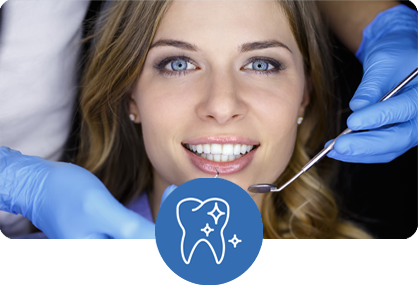
In-office whitening at Oakwood Dental Clinics is a clinical procedure carried out entirely in the dental chair. Our team applies strong, professionally formulated whitening gels to your teeth while protecting your gums, lips, and soft tissues with barriers and careful isolation.
A typical session includes a short evaluation, shade measurement, gel application in one or more cycles, and a final shade comparison. We control exposure time and gel concentration based on your existing shade, staining type, and sensitivity history, which helps us pursue both effectiveness and comfort.

We also discuss whether you may benefit from combining in-office whitening with custom take-home trays for longer-term maintenance. Our goal is always to match the technique to your goals and lifestyle rather than forcing a single protocol for everyone.
2. Comparing In-Office, Take-Home, and Store-Bought Whitening
Patients often ask us how in-office whitening stacks up against custom trays and over-the-counter (OTC) products. The main differences involve speed, control, supervision, and how much change you can reasonably expect per session.
Here is a simplified comparison, based on current evidence and our clinical experience:
| Option | Where It’s Done | Typical Speed of Results | Level of Professional Control |
|---|---|---|---|
| In-Office Whitening | Dental clinic | Fast (often in 1–2 visits) | Very high – dentist adjusts protocol in real time |
| Custom Take-Home Trays | Home, with dentist-made trays | Moderate (days to a few weeks) | High – dentist designs trays and prescription gel |
| OTC Products | Home, unsupervised | Slow and variable | Low – standard fit and concentration |
In many cases, we use a combination strategy: a carefully controlled in-office session to achieve a visible “jump” in shade, followed by periodic touch-ups with dentist-supervised trays. That combination can help maintain results with less frequent in-office visits.
3. Opalescence Boost: A Leading Professional In-Office Whitening System
How Opalescence Boost Works
Opalescence Boost is a professional-grade in-office whitening system many patients ask about by name. It uses a 40% hydrogen peroxide gel that is chemically activated, which means it does not require a laser or light to work. Our dentists mix the gel fresh before each application so the active ingredients are at full strength during your treatment.
We apply the gel directly to your teeth in controlled increments, keeping it away from your gums and soft tissues. The formula also includes ingredients such as potassium nitrate and fluoride, which are designed to support enamel and help manage sensitivity.
Benefits of Opalescence Boost in a Clinical Setting
Because Boost is light-free, our focus is on gel placement, isolation, and timing rather than equipment. This can simplify the appointment and avoid the warmth and dryness some patients experience under lights.
Opalescence Boost is often a good option if you want strong whitening power but are concerned about sensitivity and enamel health. Our dentists can also pair Boost with a customized desensitizing protocol before and after treatment, depending on your history.
4. Light-Activated Whitening: Laser and LED Systems
Laser and LED Whitening Explained
Laser and LED-activated whitening systems use high-concentration peroxide gels similar to other in-office options, but they also incorporate a special light source. The light is aimed at your teeth to interact with components in the gel, with the goal of accelerating the whitening reaction.
In practice, these systems can provide quick shade changes within the same visit. However, research increasingly shows that the whitening effect primarily comes from the gel itself, with the light often playing more of a supporting role than an essential one.

When We Consider Light-Activated Systems
At Oakwood Dental Clinics, our first step is to assess the type and depth of staining. For some patients, especially those with limited time who want a noticeable improvement before an event, a light-activated system may fit their needs and expectations.
We also consider sensitivity, because certain light-accelerated protocols can dry the teeth more quickly and potentially increase temporary sensitivity. Your dentist will review these trade-offs with you so you can make an informed choice.
5. Zoom and Event-Focused In-Office Whitening
Zoom Whitening for Special Occasions
Zoom-style in-office whitening has become well-known because it can produce a visible change in a single visit, which is appealing if you have engagement photos, a wedding, or another major event coming up. Our “Bright White Wedding” contest, for example, offered Zoom Whitening to help the winning couple achieve a photo-ready smile ahead of their big day.
These systems typically combine a strong whitening gel with a specialized light. Sessions are often divided into several short cycles during one appointment, with shade checks in between to track your change.
Timing Your Whitening Before Events
For key life moments like weddings and graduations, we usually recommend scheduling in-office whitening at least 1–2 weeks before the event. This timing gives any temporary sensitivity a chance to settle and allows us to assess whether you would like a minor touch-up with take-home trays.
If you have more time before the event, combining an initial in-office session with supervised at-home touch-ups can help you reach and maintain your ideal shade while minimizing the need for last-minute changes.
6. Candidacy for Professional In-Office Whitening
Who Typically Qualifies
Most healthy adults and many older teens with fully developed permanent teeth can be candidates for in-office whitening. The ideal candidate has:
- Healthy gums and no untreated cavities
- Extrinsic staining from coffee, tea, red wine, or tobacco
- Realistic expectations about how many shades whitening can achieve
We always conduct a thorough exam to identify any areas of decay, gum disease, or enamel cracks before whitening. Treating these issues first makes the whitening procedure safer and more comfortable.
When We Advise Caution or Alternatives
Some situations call for a different approach or additional planning:
- Intrinsic discoloration (e.g., from trauma or certain medications) may not respond predictably and sometimes requires veneers or crowns.
- Extensive dental work in the front teeth can limit whitening, since crowns and fillings do not change color.
- Pregnant or breastfeeding patients are often advised to postpone elective whitening.
In these cases, we may suggest options such as no-prep veneers or carefully planned crown and bridge work instead of, or in addition to, whitening.
7. Safety, Sensitivity, and Enamel Considerations
Understanding Enamel and Sensitivity Risks
Any whitening procedure, especially those using higher-concentration gels, interacts with your enamel surface. While professional whitening is considered safe when properly supervised, it is not risk-free. Sensitivity during or after treatment is common, particularly with stronger in-office systems.
We take steps to protect enamel and manage sensitivity, including using desensitizing agents, adjusting exposure times, and spacing treatments appropriately. Your comfort and long-term tooth health are central to how we design each whitening plan.
Planning a Comfortable Whitening Experience
If you already know you have sensitive teeth, we encourage you to tell us during your consultation. We may:
- Use a milder protocol or shorter application cycles
- Recommend desensitizing toothpaste before and after treatment
- Pair in-office whitening with lower-concentration at-home trays to spread changes over time
This collaborative planning helps many patients enjoy effective whitening while keeping sensitivity manageable.
8. Custom Take-Home Whitening Trays as a Professional Option
How Dentist-Supervised Trays Work
While this article focuses on in-office care, custom trays are an important professional option that often complements chairside whitening. We take impressions or digital scans of your teeth and fabricate snug-fitting trays. You then receive prescription-strength whitening gel with clear instructions for how long and how often to wear the trays.
Because the trays fit closely to your teeth, they help the gel stay where it is needed and off your gums, which is an advantage over generic strips or trays. We can also select gel strengths based on your sensitivity level.
Who Benefits Most from Custom Trays
Custom trays are helpful if you:
- Prefer slower, more gradual whitening changes
- Have a history of sensitivity and want lower-concentration gels
- Want an easy way to “touch up” after an in-office visit
For many of our patients, in-office whitening provides the initial boost, and custom trays become the long-term maintenance tool, especially before busy seasons like summer.
9. Preparing for In-Office Whitening: Cleaning, Habits, and Expectations
The Role of Professional Cleaning
A professional cleaning is often the first step before in-office whitening. Removing plaque and tartar allows whitening gels to contact the enamel evenly and reduces the risk of patchy results. Our hygienists also polish away many surface stains, which can improve how effectively the whitening gel works.
If you have not had a cleaning in some time, we may recommend scheduling one before or on the same day as your whitening, depending on your oral health needs. Clean, healthy teeth respond more predictably to any whitening system.
Lifestyle Habits and Stain Rebound
Your habits before and after whitening influence how long your results last. Frequent consumption of coffee, tea, red wine, or tobacco can cause stains to reappear more quickly. We review these factors with you and help you prioritize which habits to adjust if you want your whitening to last as long as possible.
If you smoke, we will also discuss how smoking affects your gums, your enamel, and your whitening outcome. Even small changes—such as rinsing with water after dark drinks—can make a noticeable difference in stain control over time.
10. Maintaining Your Whiter Smile After In-Office Whitening
Home Care and Diet
After in-office whitening, enamel is temporarily more susceptible to picking up pigments. For the first 24–48 hours, we usually advise a “whiter” or lighter-colored diet, avoiding items like coffee, dark sauces, and red wine when possible. Good brushing and flossing habits become even more important during this time.
Over the long term, using a non-abrasive toothpaste, drinking plenty of water, and limiting highly pigmented foods and drinks can help protect your investment in professional whitening. Regular checkups also give us a chance to monitor color changes and recommend touch-ups when appropriate.
Touch-Up Options and Long-Term Planning
Many patients like to “refresh” their smile every year or two, especially before photo-heavy seasons or life events. Depending on how your teeth respond and your lifestyle, we may recommend:
- Short in-office touch-up sessions
- Periodic use of your custom take-home trays
- Updating restorations (like front crowns) once your tooth shade is stable
For some people, whitening is a one-time project; for others, it becomes part of a broader cosmetic plan that might also include orthodontics with Invisalign or new restorations. We tailor the approach to your goals, timeline, and oral health status.
Conclusion
Professional in-office whitening offers fast, noticeable improvements under the supervision of trained clinicians, using high-concentration gels, careful tissue protection, and individualized protocols. From light-free systems like Opalescence Boost to light-activated and event-focused options such as Zoom-style whitening, there are multiple pathways to a brighter smile, each with its own balance of speed, sensitivity, and maintenance needs.
At Oakwood Dental Clinics, we take time to evaluate your oral health, staining pattern, and expectations before recommending in-office whitening, custom take-home trays, or a combination of both. If you are considering professional whitening, we invite you to talk with our team about your goals so we can help you choose the most appropriate clinical option for your smile and comfort.