718-979-2121
Orthodontic care is more common than ever, with approximately 6.66 million patients in active treatment across the United States and Canada in 2024, and a growing number of those patients are adults and teens looking for discreet, effective solutions.
At Oakwood Dental Clinics, we help families understand their choices so they can feel confident about every step of orthodontic treatment.
Key Takeaways
| Common Question | Short Answer |
|---|---|
| What are the main orthodontic options for adults and teens? | Traditional braces, ceramic braces, and clear aligners such as Invisalign are the most common choices, each suited to different needs and lifestyles. You can explore our full orthodontic overview at Oakwood Dental orthodontic services. |
| Is Invisalign effective for adults with crowded or spaced teeth? | Yes, Invisalign can treat crowding, gaps, crossbites, overbites, and more. See how aligners address different issues in our guide on Invisalign options for adults. |
| Are braces still the right choice for many teens? | Yes, braces remain a reliable solution, especially for complex movements. We outline six key teen solutions in our teen braces guide. |
| How do I decide between Invisalign and traditional braces as an adult? | We compare appearance, comfort, and maintenance in detail in our adult Invisalign vs braces article. |
| Who should manage my treatment, especially for teens? | Most patients choose specialist-led care. You can review how to evaluate providers in our orthodontist selection checklist. |
| What should I know before my teen starts braces? | Planning, diet changes, and oral hygiene are key. We cover preparation steps in our braces preparation overview. |
Understanding Modern Orthodontic Treatment for Adults and Teens
Orthodontic care is no longer limited to children, and about 1.91 million adults in the United States were in specialist orthodontic treatment in 2024.
At Oakwood Dental Clinics, we see adults and teens every day who want straighter teeth, a more comfortable bite, and a smile that feels natural and confident.
We now have a wider range of treatment systems than ever.
This includes traditional metal braces, ceramic braces, and clear aligner systems such as Invisalign that fit around work, school, and family life.
- Adults often prioritize appearance, comfort, and flexibility during treatment.
- Teens benefit from durable, reliable systems and clear instructions that fit active lifestyles.
Our role is to explain each option clearly so you can make an informed choice that suits your priorities and oral health needs.
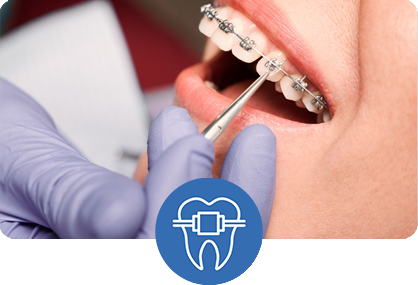
Invisalign for Adults: Clear Aligners for Discreet Tooth Movement
Invisalign uses a series of custom clear aligners that fit over your teeth and gently guide them into better positions.
For adults who want to straighten their teeth without metal brackets, clear aligners are often a leading choice.
What Invisalign Can Correct For Adults
In our article on Top 5 Invisalign Options for Adults, we highlight how aligners address a wide range of concerns.
Common issues we treat with Invisalign include crowded teeth, gaps, crossbites, overbites, underbites, and mild to moderate misalignment.
| Adult Concern | How Invisalign Helps |
|---|---|
| Crowded teeth | Gradual alignment to create space and improve brushing and flossing access. |
| Gaps or diastema | Closes spaces between teeth for a more even smile line. |
| Crossbite, overbite, underbite | Adjusts bite relationships in many mild to moderate cases. |
Benefits Adults Appreciate
Adults often value Invisalign for its subtle appearance and the ability to remove trays for meals and oral hygiene.
Because aligners are smooth, many patients also report less irritation compared to brackets and wires.
We plan Invisalign cases with digital scans and 3D software.
That allows you to preview likely outcomes and understand how your teeth are expected to move during treatment.
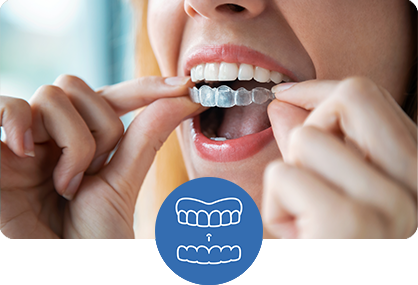
Braces for Teens: Reliable Options for Growing Smiles
Orthodontic treatment is a common milestone in adolescence, and many teens still benefit from traditional or ceramic braces.
At Oakwood Dental Clinics, we offer several teen-focused systems to match different needs and preferences.
Traditional Metal Braces for Teens
Traditional metal braces remain a dependable choice for a wide range of orthodontic issues in teens.
They offer strong control over tooth movement and are especially useful for more complex bite problems.
Teens sometimes enjoy choosing colored elastic ties, which can make treatment more fun and personal.
Parents often appreciate the durability and predictability of metal systems.
Ceramic Braces and Clear Aligners for Teens
Ceramic braces use tooth-colored brackets that blend more closely with the teeth.
They are a good option for image-conscious teens who still need the precision of a fixed appliance.
In some cases, clear aligners are appropriate for teens with mild to moderate concerns.
Aligners can be convenient for school activities, music, or sports, but they require responsible wear for effective results.
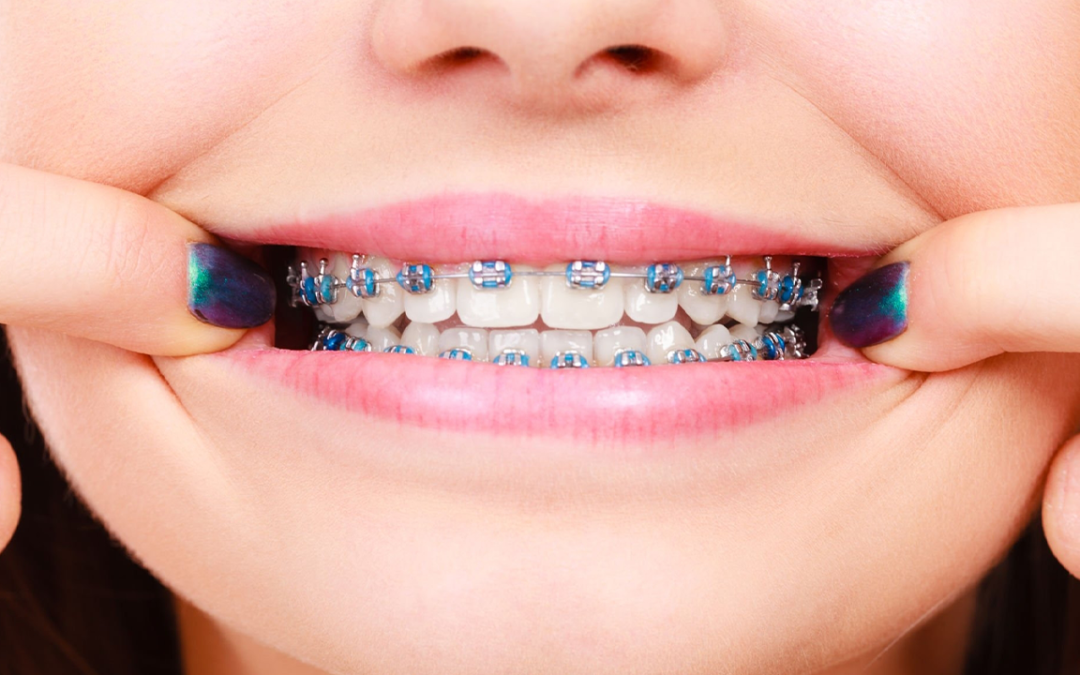
An at-a-glance guide to the five most common orthodontic treatment options for teens and adults. Compare braces, clear aligners, and other options to decide the best fit.
Invisalign vs Traditional Braces: Comparing Options for Adults
Many adults ask whether they should choose Invisalign or traditional braces.
Both approaches are effective, but each has distinct strengths that may fit different lifestyles, bite types, and budgets.
Appearance, Comfort, and Daily Life
Invisalign aligners are virtually invisible at a conversational distance.
They are removable for eating, brushing, and flossing, which can help adults maintain existing routines.
Traditional braces are more noticeable, although modern metal and ceramic designs look more refined than older styles.
Braces stay in place 24 hours a day, so you do not have to remember to insert or remove anything.
Complexity of Treatment and Predictability
Braces are highly versatile and remain the preferred choice for many complex movements and bite corrections.
Invisalign has expanded its range and, with attachments and advanced planning software, can now address many moderate cases.
In a consultation, we evaluate tooth positions, jaw relationships, gum health, and lifestyle factors.
We then discuss which options are practical and realistic for your specific goals.
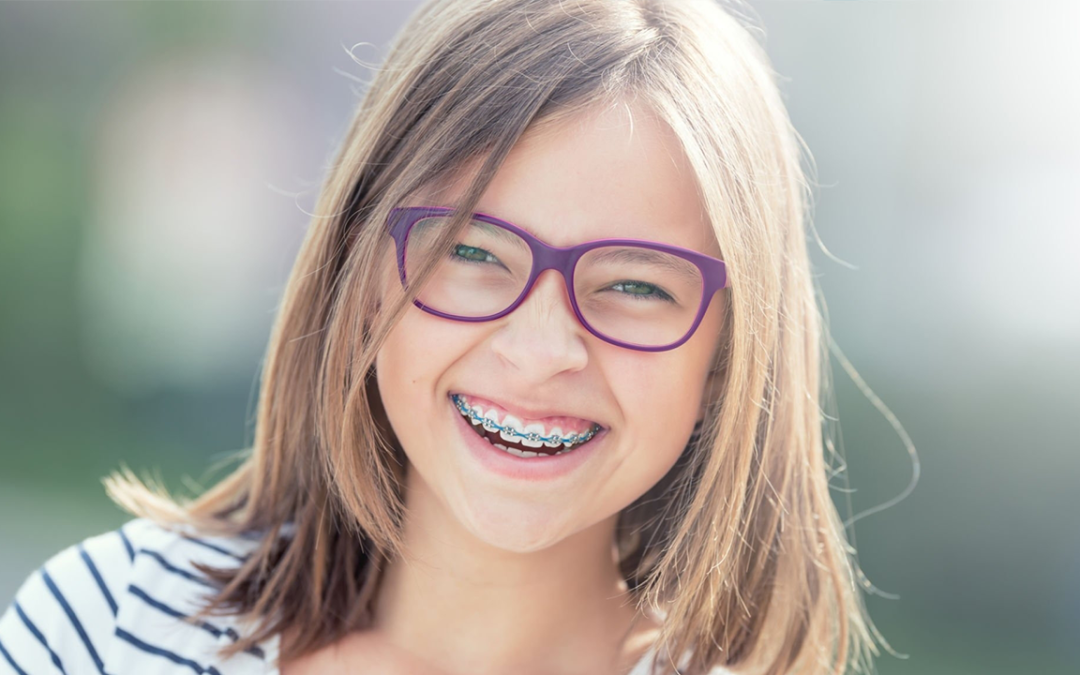
How Invisalign Attachments Improve Clear Aligner Results
Modern Invisalign treatment often includes small, tooth-colored attachments that we bond temporarily to certain teeth.
These attachments allow the aligners to grip and move teeth more precisely, especially in more challenging movements.
What Invisalign Attachments Are and How They Work
Attachments are shaped composite bumps that blend with tooth enamel.
They are applied and removed by our team and are designed to work with your individual aligner sequence.
Attachments can make it possible to treat bite issues and rotations that early clear aligner systems could not address predictably.
They also help ensure that each aligner engages effectively, which supports accurate progress during your treatment timeline.
Adult and Teen Benefits of Attachment-Based Treatment
For adults, attachments expand the range of cases that can be treated with a nearly invisible system.
For teens who qualify for clear aligners, attachments provide additional control without the visibility of full brackets.
We explain where and why attachments are needed before treatment begins.
This helps you understand what to expect when looking in the mirror and how your aligners will interact with them.

Step‑by‑Step Orthodontic Treatment Journey at Oakwood Dental Clinics
Whether you choose braces or Invisalign, your journey follows a structured process from consultation to retention.
We guide you at every stage so that adults and teens understand what is happening and why.
1. Consultation and Digital Planning
We start with a comprehensive evaluation that may include digital scans, photographs, and X‑rays.
Our dentists then design a personalized treatment plan, outlining estimated timelines and the systems that are appropriate for you.
2. Active Treatment Phase
For braces, we place brackets on the teeth and connect them with wires that are adjusted at regular intervals.
For Invisalign, you receive sets of aligners and instructions on how long to wear each set before changing to the next.
We schedule checkups to monitor progress, make adjustments, and answer questions.
These appointments help keep both adult and teen patients on track and comfortable.
3. Retention and Long‑Term Stability
Once teeth reach their planned positions, we transition you into retainers.
Retainers are essential to help maintain alignment after both braces and Invisalign.
We review wear instructions and long‑term hygiene tips, especially for younger patients who are new to retainers.
Our team remains available for ongoing support to protect your investment in your smile.

Health Benefits of Orthodontic Treatment for Adults and Teens
Orthodontics is not just about appearance, it also supports long‑term oral health.
Correcting misalignment can improve comfort, function, and ease of cleaning for both adults and teens.
Improved Oral Hygiene and Reduced Risk of Decay
Crowded or overlapping teeth are harder to brush and floss thoroughly.
Straightening teeth creates better access for cleaning, which can reduce the risk of cavities and gum disease.
Bite Function and Jaw Comfort
Correcting overbites, underbites, and crossbites can improve chewing efficiency.
In some cases, better bite alignment may also reduce strain on jaw joints and surrounding muscles.
Confidence and Quality of Life
A smile you feel comfortable sharing often has a positive impact at school, work, and in social settings.
We see adults who postponed treatment and now feel relieved to address long‑standing concerns, and teens who gain confidence as they see their treatment progress.

Orthodontic Treatment Timelines and Expectations
Adults and teens often want to know how long treatment will take.
Timelines vary based on the complexity of the case, the chosen system, and how consistently instructions are followed.
Typical Treatment Lengths
Many Invisalign and braces cases range from about 12 to 24 months, although shorter or longer plans are possible.
Mild alignment issues may respond more quickly, while complex bite corrections require more time and careful planning.
Compliance and Appointment Schedule
Invisalign aligners usually need 20 to 22 hours of wear per day for predictable results.
Braces work continuously, but you still need to attend regular adjustment appointments to keep treatment moving.
We review your projected timeline at the start and update you as teeth respond.
For teens, we also involve parents or caregivers in understanding the schedule and responsibilities.
Caring for Braces and Invisalign: Practical Tips for Adults and Teens
Good daily habits help protect your teeth and support comfortable treatment.
At Oakwood Dental Clinics, we provide clear, age‑appropriate guidance for both adults and teens.
Oral Hygiene with Braces
With braces, we recommend brushing after meals and using floss threaders or interdental brushes around brackets and wires.
Avoiding very hard or sticky foods can limit the risk of broken brackets or bent wires.
Oral Hygiene with Invisalign
With Invisalign, you remove trays before eating or drinking anything except water.
Brush your teeth and rinse your aligners before putting them back in to prevent trapping food and plaque.
Comfort and Soreness Management
Mild tenderness is common after adjustments or when starting new aligners.
Soft foods, over‑the‑counter pain relief if appropriate, and orthodontic wax for braces can help manage temporary discomfort.

Choosing the Right Orthodontic Provider for Your Family
The provider you choose is just as important as the system you select.
We encourage patients to ask questions and look for experience with both adult and teen care.
What to Look for in an Orthodontic Partner
Consider training, ongoing education, and the range of services offered, including braces and clear aligners.
It is also helpful to review case photos or testimonials and to ask how the team handles complex situations.
At Oakwood Dental Clinics, our experienced clinicians provide orthodontic services across multiple locations in Staten Island and New Jersey.
This helps families access consistent care even when schedules are busy or change over time.
Comfort, Communication, and Convenience
Adults and teens often feel more relaxed when they understand each step of treatment.
We prioritize clear explanations, gentle techniques, and flexible scheduling where possible.
Conclusion
Adults and teens today have more orthodontic choices than ever, from traditional metal and ceramic braces to advanced clear aligner systems like Invisalign with attachments.
At Oakwood Dental Clinics, we tailor each plan to the individual, taking into account age, lifestyle, oral health, and treatment goals.
Whether you are an adult finally ready to address long‑standing alignment issues or a parent exploring options for your teen, we are here to guide you through the process with clear information and compassionate care.
A thorough consultation is the first step toward a straighter, healthier smile that fits comfortably into everyday life.